Q: What are project information signs?
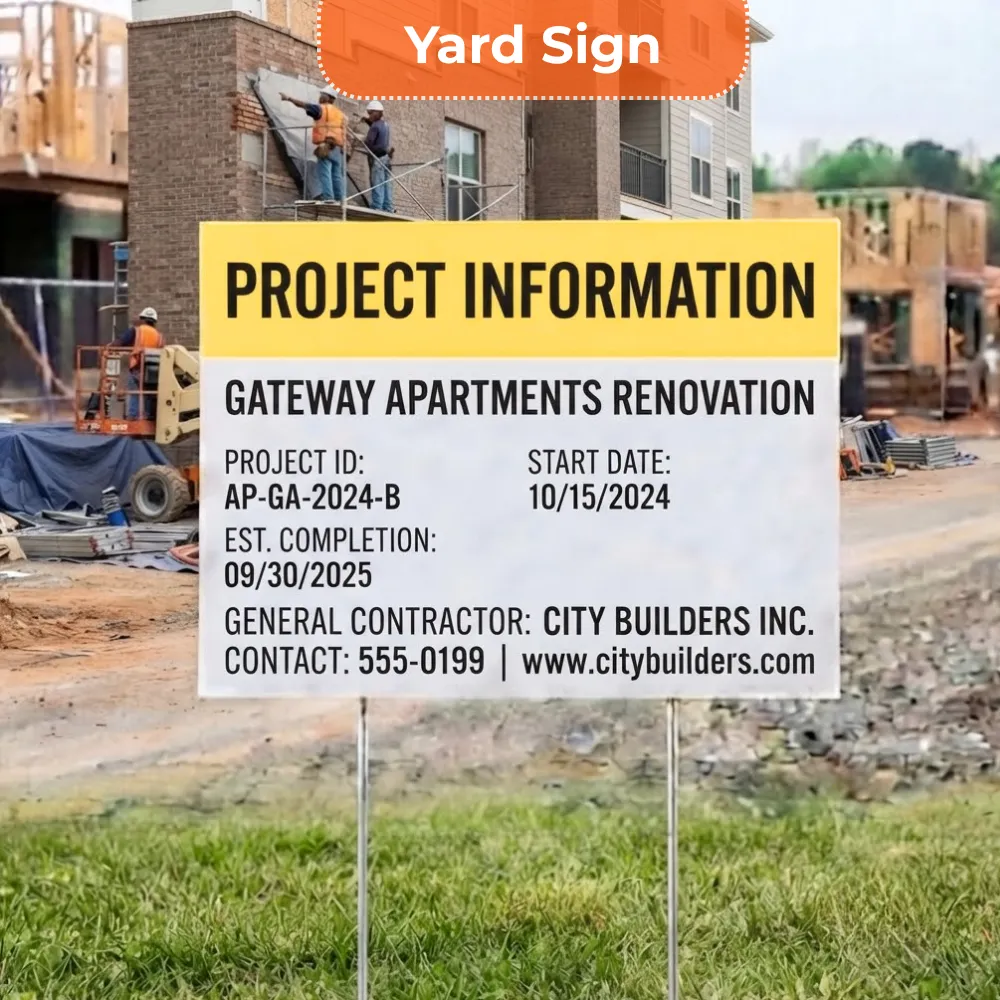
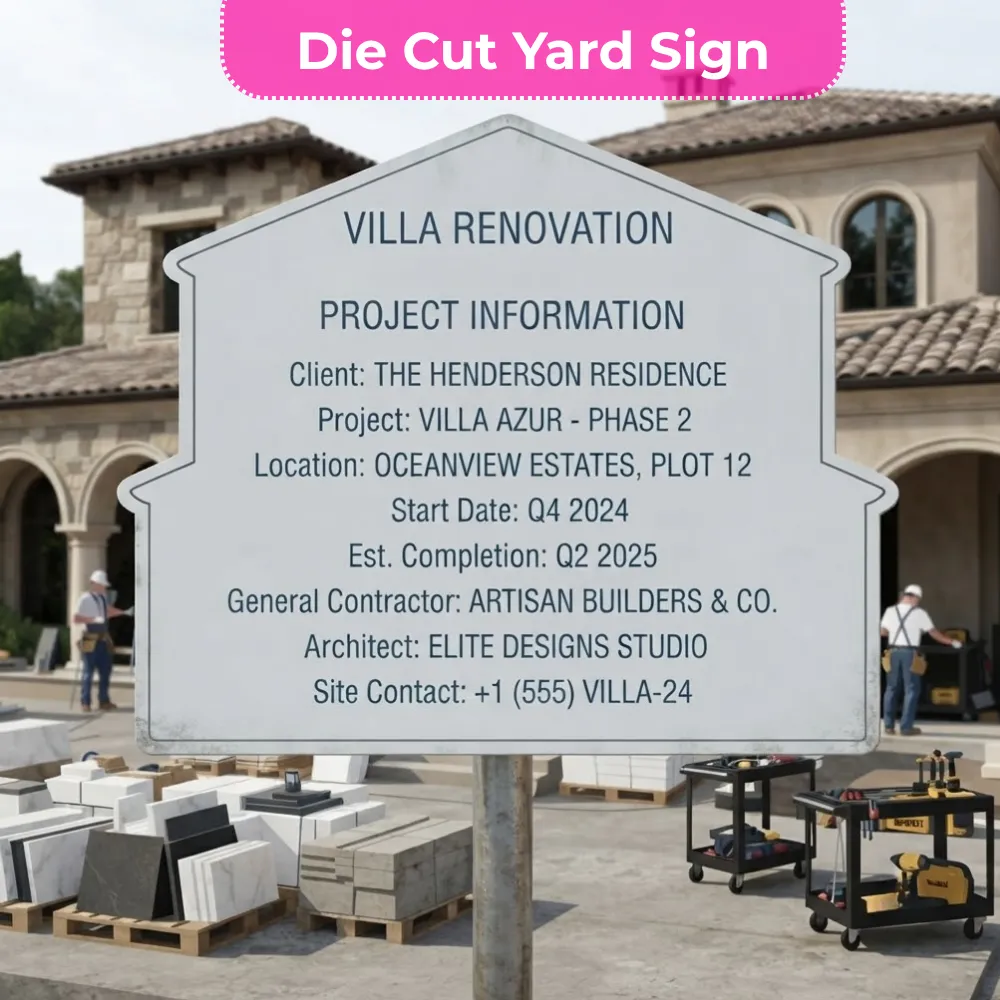
A: Project information signs are informational boards used at construction and development sites to communicate project details such as the project name, developer, contractor, consultants, timeline, location, and contact information.
Q: Why are project information signs important?
A: They help identify a project, communicate essential information, improve public awareness, support transparency, and provide stakeholders with relevant contact or project details.
Q: What information should a project information sign include?
A: A typical sign may include the project name, project description, location, developer, contractor, consultants, project timeline, contact details, project reference number, and website or QR code.
Q: Where are project information signs used?
A: They are commonly used at commercial buildings, residential developments, infrastructure projects, road projects, industrial sites, government projects, schools, hospitals, renovation sites, and mixed-use developments.
Q: What is the difference between a project information sign and a safety sign?
A: A project information sign communicates project and stakeholder information, while a safety sign communicates hazards, required actions, access restrictions, emergency information, or safety procedures.
Q: Who uses project information signs?
A: They provide useful information to workers, contractors, visitors, inspectors, authorities, nearby residents, businesses, pedestrians, and other project stakeholders.
Q: Can project information signs include contractor details?
A: Yes. Depending on the project, they may identify the main contractor, construction company, subcontractors, project manager, architect, engineers, or other consultants.
Q: Can project information signs include project timelines?
A: Yes. Where appropriate, signs can display the project start date, expected completion date, construction duration, or current project phase. Dates should be updated when significant changes occur.
Q: Can project information signs include a QR code?
A: Yes. A QR code can connect visitors to a project website, digital updates, contact information, construction notices, community information, or other relevant online resources.
Q: What materials are used for project information signs?
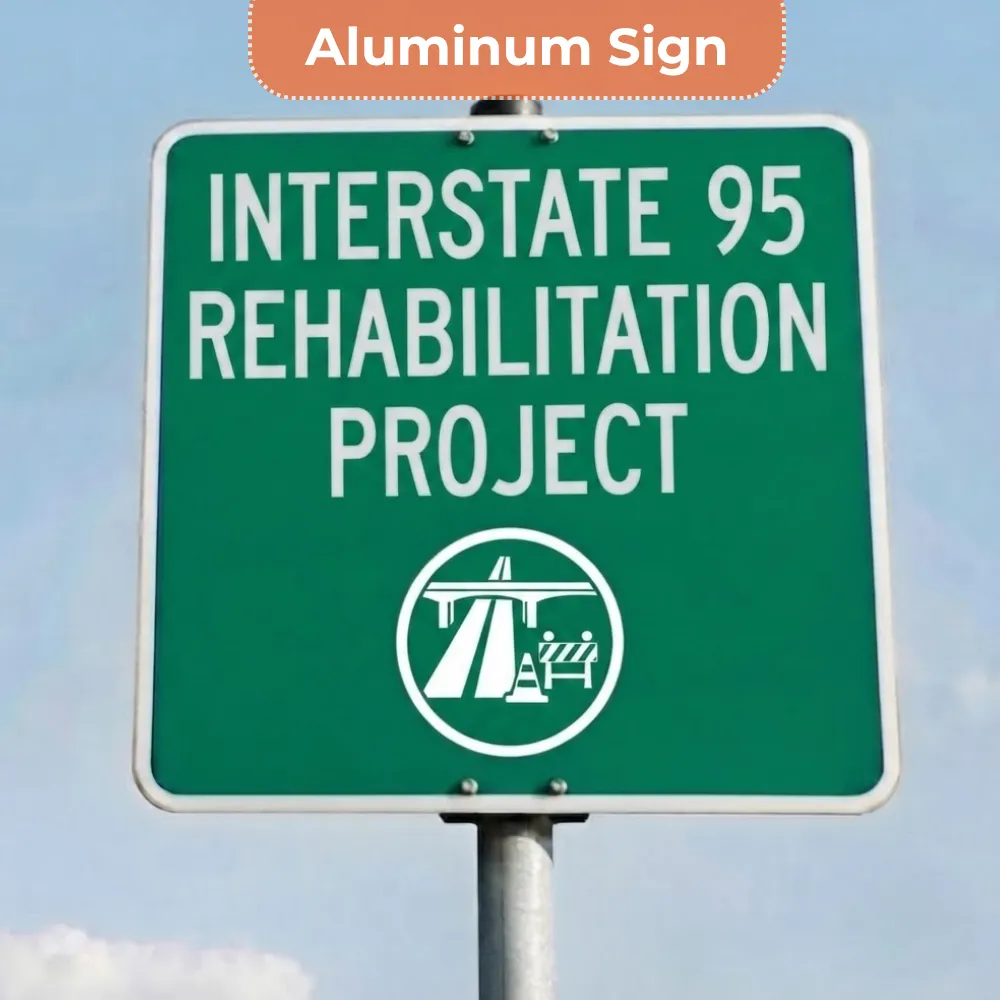
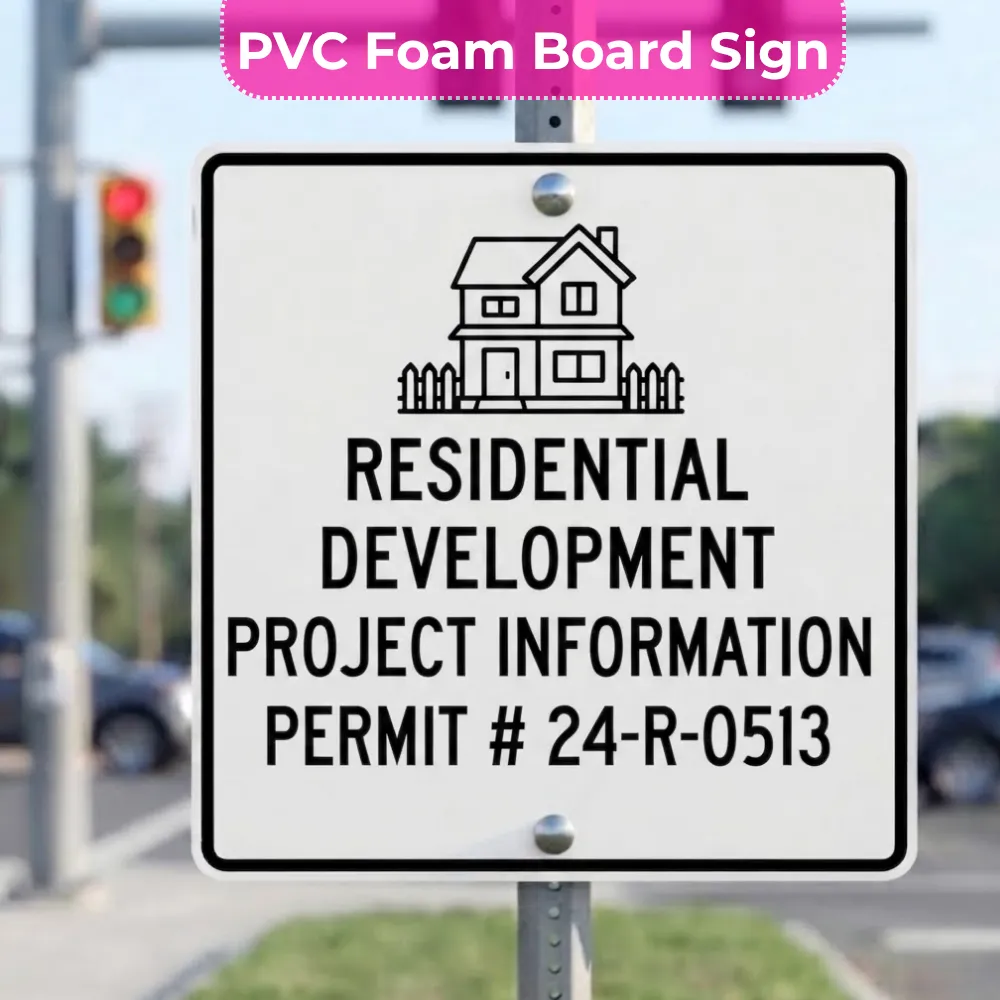
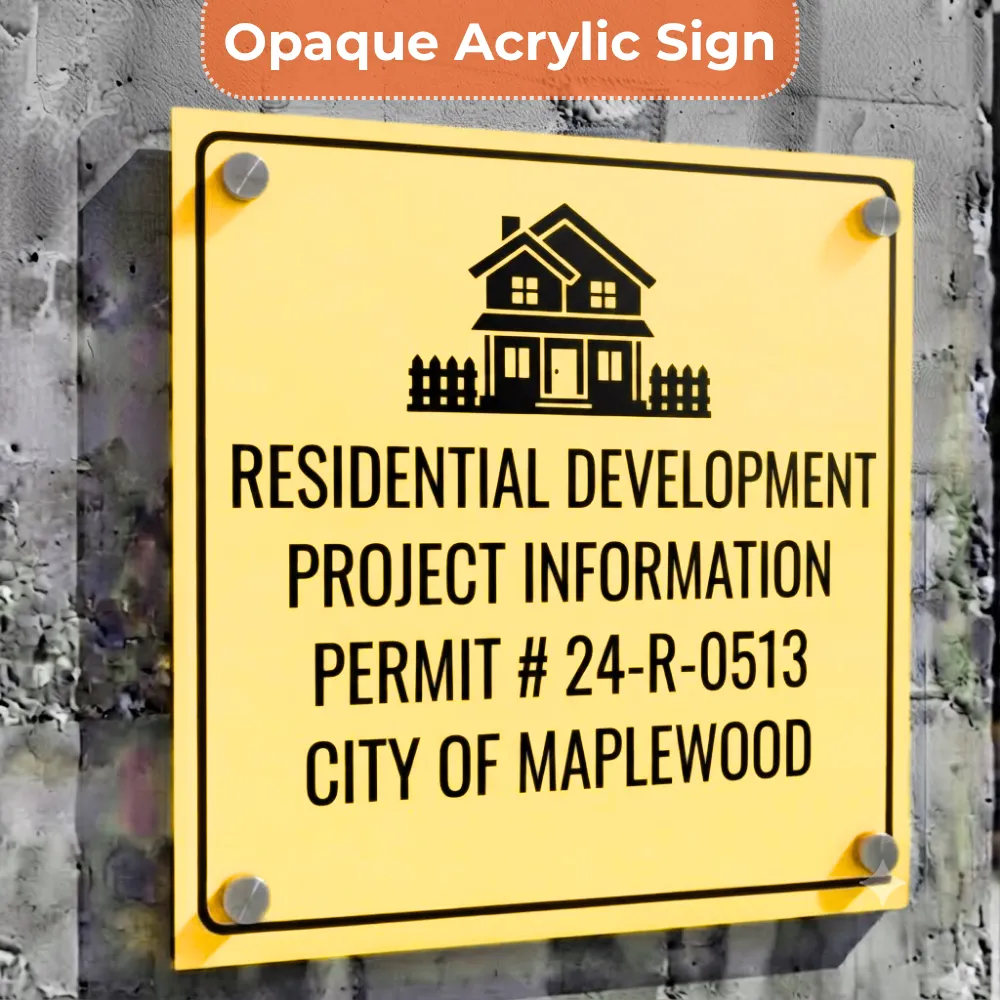
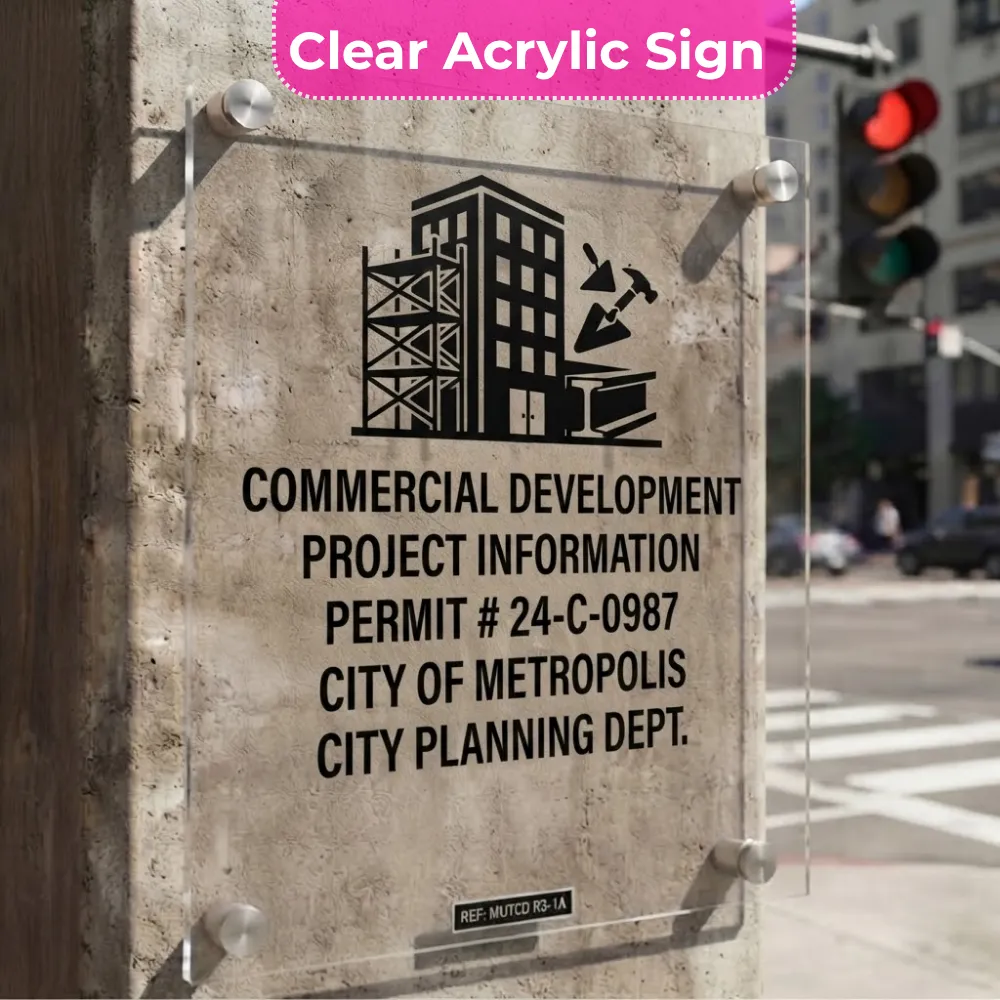
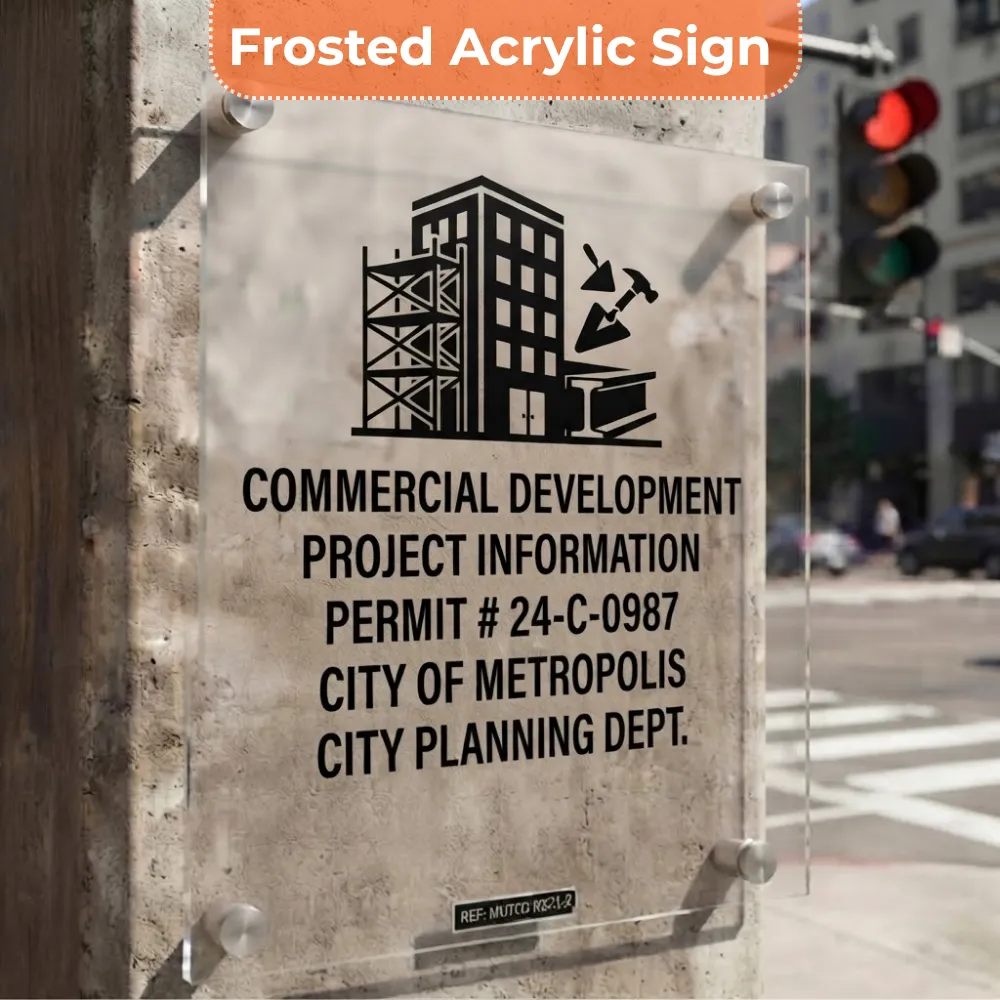
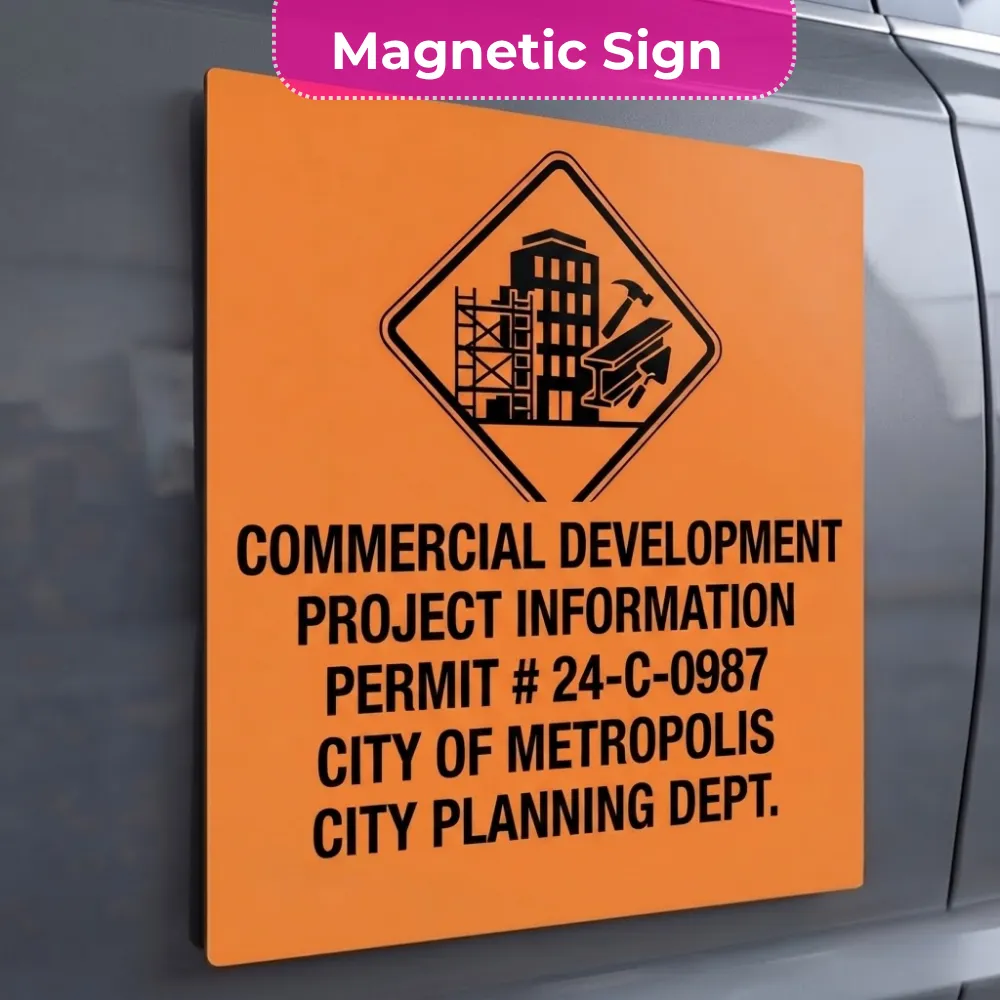
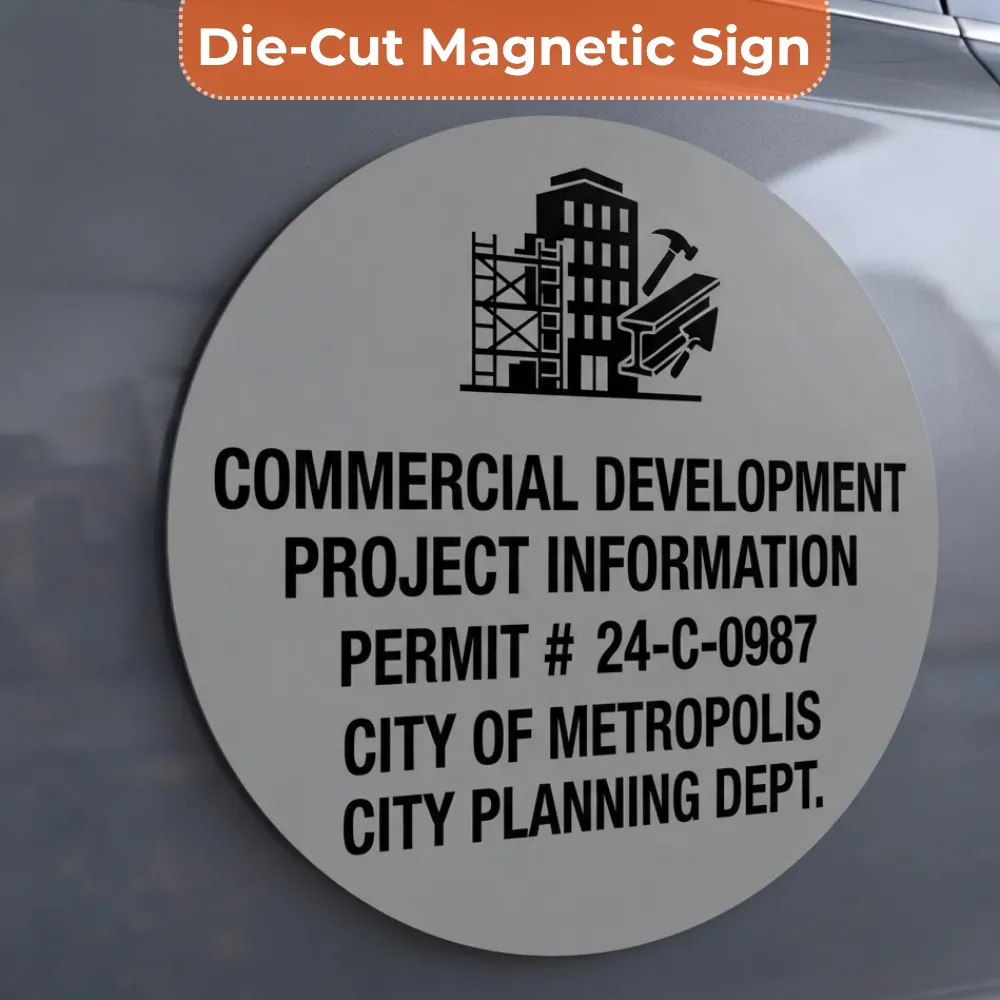
A: Common materials include Corrugated/Coroplast plastic, PVC Foam Board, Aluminum, Acrylic and Magnetic depending on the installation environment and project duration.
Q: Should project information signs be weather-resistant?
A: Yes. Outdoor project signs should be designed for expected exposure to sunlight, rain, wind, dust, moisture, and temperature changes to maintain readability and appearance.
Q: Where should a project information sign be placed?
A: It should be installed where the intended audience can easily see and read it, such as near a main site entrance, public-facing boundary, project office, visitor area, or construction hoarding.
Q: Can project information signs be customized?
A: Yes. Project signs can be customized with project-specific information, branding, logos, graphics, stakeholder details, contact information, and digital links, subject to applicable requirements.
Q: Are project information signs legally required?
A: Requirements vary by country, state or province, local authority, planning regulations, permit conditions, project type, and contractual requirements. Project owners should verify applicable local requirements.
Q: How do project information signs improve public communication?
A: They provide a convenient source of project identification, development details, timelines, contact information, and relevant public information in a visible location.
Q: What makes a good project information sign?
A: An effective project information sign is clear, accurate, readable, visually organized, highly visible, durable, professionally designed, securely installed, and kept up to date.
Q: How large should a project information sign be?
A: There is no single universal size. The appropriate size depends on viewing distance, available space, amount of information, installation location, visibility requirements, and applicable local regulations.
Q: How should project information signs be maintained?
A: Inspect them for fading, weather damage, dirt, physical damage, loose mounting, obstruction, outdated information, and incorrect contact details. Update or replace signs when necessary.
Q: Can project information signs be used for construction site branding?
A: Yes. They can incorporate company logos, project branding, brand colors, project imagery, and developer information, provided branding does not reduce the readability of essential information.
Q: How do I choose the right project information sign?
A: Choose a sign based on the project type, intended audience, information required, installation location, viewing distance, environmental conditions, project duration, design requirements, and applicable regulations.


















 No products in the cart.