Q: What are building construction signs?
A: Building construction signs are safety, warning, mandatory, regulatory, directional, and information signs used around construction sites to communicate hazards, site rules, PPE requirements, access restrictions, emergency information, and directions.
Q: Why are building construction signs important?
A: They help warn workers and visitors about hazards, communicate safety requirements, control access, guide movement, and identify emergency facilities around active construction sites.
Q: What are the main types of building construction signs?
A: Common types include warning signs, danger signs, mandatory PPE signs, prohibition signs, restricted-area signs, site entrance signs, directional signs, emergency signs, fire safety signs, excavation signs, and vehicle safety signs.
Q: Where are building construction signs used?
A: They are used at residential, commercial, industrial, high-rise, renovation, demolition, infrastructure, warehouse, and civil construction sites.
Q: What are construction warning signs?
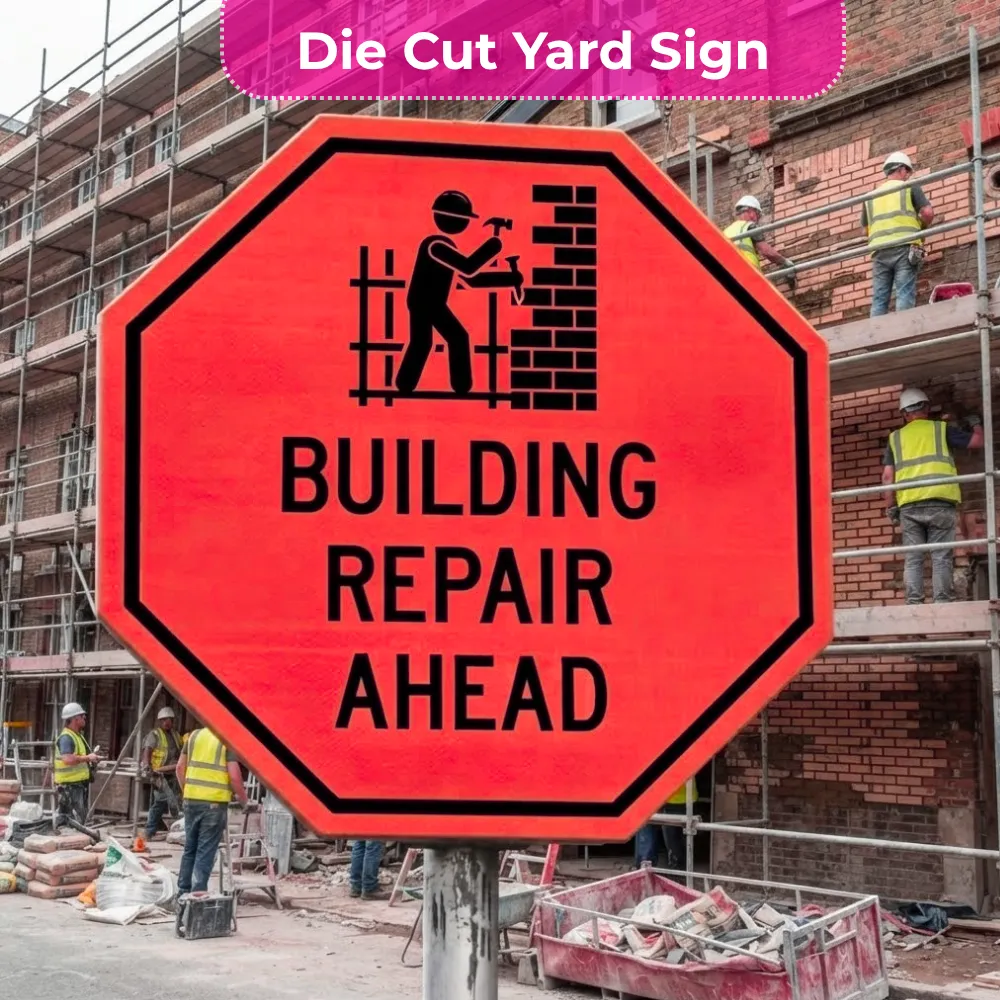
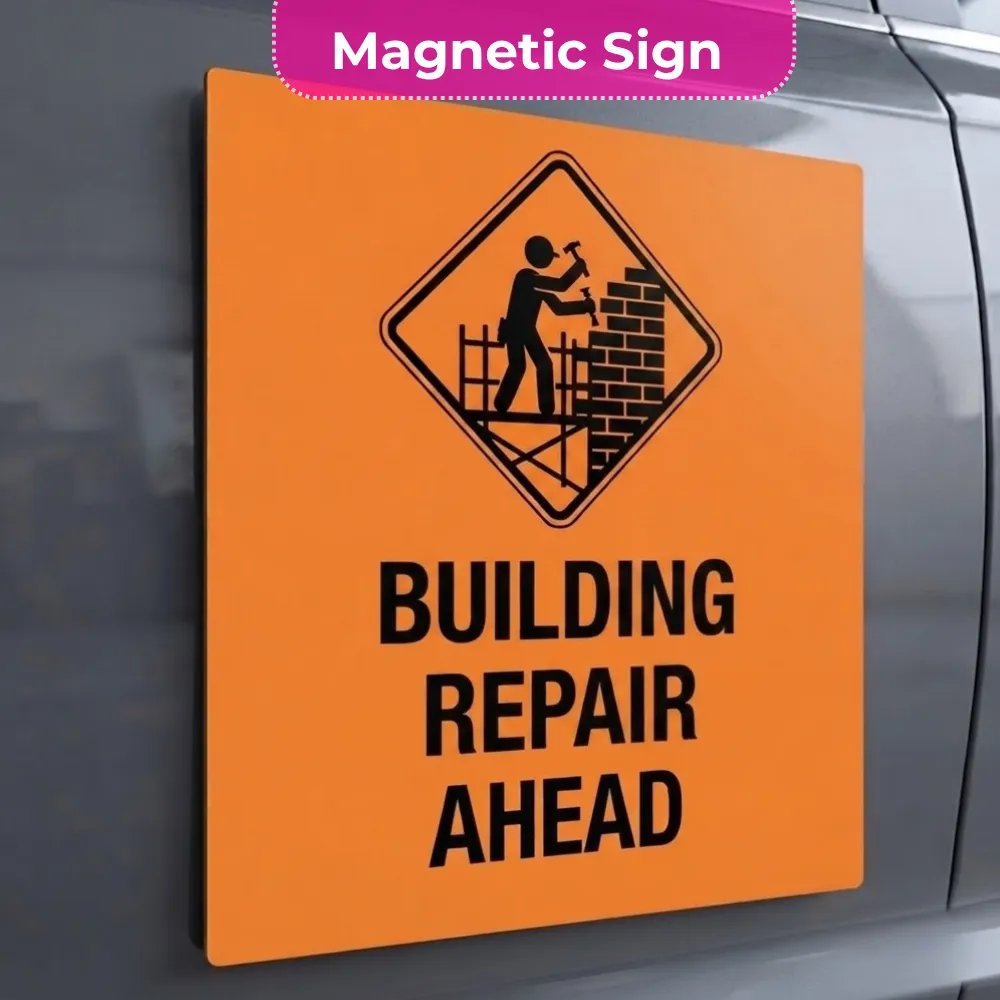
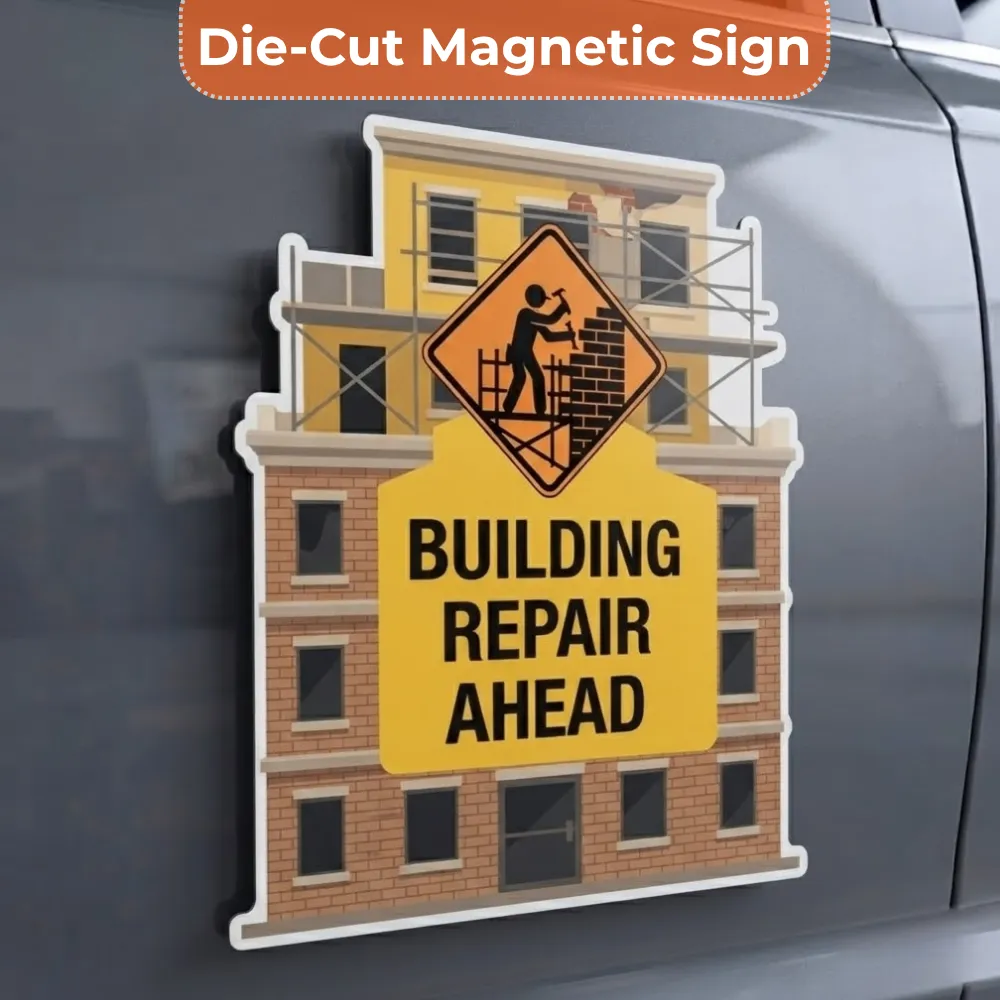
A: Construction warning signs alert people to potential hazards such as excavation, falling objects, moving machinery, electrical hazards, overhead work, cranes, and construction activities.
Q: What are mandatory construction signs?
A: Mandatory construction signs communicate actions that people are required to follow, such as wearing hard hats, safety footwear, eye protection, hearing protection, safety vests, or fall-protection equipment.
Q: What PPE signs are commonly used on construction sites?
A: Common PPE signs include Hard Hat Required, Safety Shoes Required, Eye Protection Required, Safety Vest Required, Hearing Protection Required, Gloves Required, and Safety Harness Required.
Q: What are restricted-area construction signs?
A: Restricted-area signs prevent or discourage unauthorized access to hazardous or controlled locations. Examples include Authorized Personnel Only, No Unauthorized Entry, Keep Out, and Restricted Area.
Q: What are construction site entrance signs?
A: Site entrance signs identify authorized entry points and can communicate PPE requirements, visitor registration, sign-in procedures, site rules, and access restrictions.
Q: What are construction site exit signs?
A: Site exit signs identify designated routes for workers, visitors, pedestrians, or vehicles leaving the construction site and can help organize site traffic.
Q: Are construction signs required on building sites?
A: Signage requirements vary by country, workplace regulations, local authority, project type, and site hazards. Construction sites should follow applicable safety regulations and project-specific requirements.
Q: What materials are used for construction signs?
A: Common materials include Corrugated/Coroplast plastic, PVC Foam Board, Aluminum, Acrylic and Magnetic depending on the sign’s location, duration, and environmental exposure.
Q: Should building construction signs be reflective?
A: Reflective signs can improve visibility during nighttime and low-light conditions. For signs used to control public-road traffic, reflectivity should meet applicable traffic-control requirements.
Q: Where should construction safety signs be placed?
A: Signs should be positioned where workers, visitors, pedestrians, or drivers can see, understand, and respond to the message before reaching the relevant hazard, restricted area, or decision point.
Q: Can building construction signs be customized?
A: Yes, signs for project-specific communication can be customized with site rules, hazard information, directions, access instructions, PPE requirements, and other relevant information, subject to applicable standards.
Q: How do construction signs improve site safety?
A: They provide clear visual communication about hazards, required actions, access restrictions, safe routes, emergency facilities, and changing site conditions.
Q: Do construction signs replace barriers and other safety controls?
A: No. Signs provide information and warnings but do not replace physical barriers, guardrails, fencing, traffic controls, safe work procedures, PPE, or other required risk controls.
Q: How should construction signs be maintained?
A: Inspect signs for fading, damage, dirt, obstruction, reduced visibility, loose mounting, outdated information, and changes in site conditions. Repair, replace, reposition, or remove signs when necessary.
Q: How do I choose the right construction sign?
A: Select signs based on the specific hazard or instruction, location, viewing distance, intended audience, traffic and pedestrian movement, environmental conditions, project duration, and applicable safety requirements.
Q: What makes an effective building construction sign?
A: An effective construction sign is clear, concise, visible, legible, durable, hazard-specific, appropriately positioned, securely installed, and easy to understand. It should communicate the right safety message at the point where people need to act.




 *Upload Artwork*Upload Artwork



























 No products in the cart.