HALLOWEEN SUPER SALE 30% OFF USE CODE: SPOOKY
| ShippingMethod | Fixed Price(Unlimited QTY) |
|---|---|
| Priority* | $30 |
| Express* | $20 |
Size (W X H)
Size (W X H)

Kindly share the artwork via email at design@printwithebannersigns.com
Traffic control signs are visual signs used to regulate, warn, guide, and inform road users, pedestrians, drivers, cyclists, and site personnel. They help communicate traffic rules, hazards, directions, restrictions, road conditions, and temporary changes in traffic movement.
Traffic control signs are widely used on public roads, highways, construction sites, roadwork zones, parking areas, industrial facilities, private roads, warehouses, and other locations where vehicle and pedestrian traffic must be safely managed.
Traffic control signs should communicate information quickly and clearly. Common messages include:
The message should match the actual traffic condition or restriction.
Recognizable traffic symbols, pictograms, arrows, and standardized sign designs help road users understand instructions quickly, even when they have limited time to respond.
Standardization is particularly important because drivers and pedestrians need to recognize traffic information consistently across different locations.
Traffic control signs must be clearly visible from an appropriate distance. Effective visibility can depend on:
Signs should not be hidden by vegetation, vehicles, construction equipment, structures, advertisements, or other signs.
Traffic control signs use colors and combinations that communicate specific meanings, such as prohibition, warning, direction, mandatory movement, or temporary traffic conditions.
The exact colors and designs should follow the traffic-control standard or road authority requirements applicable to the location.
Traffic signs should be appropriately sized for the road type, traffic speed, viewing distance, surrounding environment, and intended road users.
Signs placed on high-speed roads generally require different visibility considerations than signs used in parking areas or low-speed private facilities.
Where text is required, traffic signs should use legible lettering with suitable size, spacing, contrast, and layout.
Messages should be short enough for drivers to understand without unnecessary distraction.
Traffic control signs may use retroreflective materials to improve visibility when illuminated by vehicle headlights, particularly for nighttime road use.
The required level of reflectivity depends on the road, sign type, traffic conditions, and applicable standards.
Temporary traffic control signs are essential for road construction, maintenance, utility work, lane closures, detours, and temporary changes to normal traffic movement.
Examples include:
Temporary signs should be removed, covered, or updated when the temporary traffic condition no longer exists.
Directional arrows help communicate turning movements, lane directions, detours, pedestrian routes, and traffic diversions.
The arrow should clearly correspond to the intended movement and should not create ambiguity.
Traffic control signs should be positioned where road users have sufficient time and distance to see, understand, and safely respond to the instruction or warning.
Placement should consider:
Traffic signs may be exposed to sunlight, rain, wind, dust, temperature changes, vehicle exhaust, and physical impact.
Suitable materials and protective finishes help maintain the sign’s structural integrity, color, reflectivity, and legibility.
Outdoor traffic control signs should be suitable for the environmental conditions in which they are installed. Weather-resistant construction can help prevent fading, corrosion, peeling, cracking, and premature deterioration.
Traffic signs should be securely installed on appropriate posts, frames, barriers, or other approved supports.
A properly mounted sign should remain stable, correctly oriented, and visible during normal weather and traffic conditions.
Traffic control signs can help communicate designated routes for vehicles, pedestrians, cyclists, delivery vehicles, and construction equipment.
This is especially important in locations where vehicle and pedestrian movements intersect.
Traffic control signs are particularly important in construction and roadwork zones where normal traffic patterns may change.
They can communicate:
Signs should be coordinated with the overall temporary traffic management plan.
Traffic control systems should consider the needs of different road users, including pedestrians, cyclists, people with disabilities, drivers, and workers.
Where pedestrian routes are affected, signs should clearly communicate safe alternative routes and crossings.
Using consistent signs, symbols, terminology, colors, and directional information helps road users make faster and more accurate decisions.
Conflicting or unnecessary signs can create confusion and reduce the effectiveness of traffic communication.
Traffic control signs should remain visible under the expected lighting conditions. Depending on the application, this may involve retroreflective materials, external lighting, illumination, or other approved visibility solutions.
Traffic signs should be regularly inspected for:
Damaged or ineffective signs should be repaired, repositioned, replaced, or removed as appropriate.
Traffic control signs should follow the applicable road traffic laws, traffic-control standards, road authority specifications, construction requirements, and local regulations.
Requirements for sign shape, color, size, placement, reflectivity, mounting height, and wording can vary by country, road classification, and application.
Traffic control signs are visual communication devices used to regulate, warn, guide, and inform drivers, pedestrians, cyclists, workers, and other road users. They communicate important information such as traffic rules, speed restrictions, road hazards, directions, lane changes, road closures, detours, and temporary traffic conditions.
Traffic control signs are widely used on roads, highways, intersections, construction sites, roadwork zones, parking areas, industrial facilities, private roads, warehouses, and other locations where vehicle and pedestrian movement needs to be controlled safely.
Traffic control signs are signs designed to communicate a specific traffic regulation, warning, direction, restriction, or road-use instruction.
Depending on their purpose, a traffic control sign may instruct road users to stop, give way, slow down, follow a particular direction, avoid an area, identify a hazard, use a designated route, or respond to a temporary change in traffic conditions.
An effective traffic control sign provides information early enough for the road user to see, understand, and safely respond to the message.
Traffic control signs help make traffic movement more predictable, organized, and easier to understand. They provide standardized visual information at locations where drivers and pedestrians need to make decisions.
Traffic control signs can help road users:
Traffic signs are most effective when integrated with other traffic-control measures such as road markings, traffic signals, cones, barriers, lighting, physical separation, and traffic-management procedures.
Q: What are traffic control signs?
A: Traffic control signs are visual signs used to regulate, warn, guide, and inform drivers, pedestrians, cyclists, and other road users about traffic rules, hazards, directions, restrictions, and road conditions.
Q: Why are traffic control signs important?
A: Traffic control signs help manage road-user movement, communicate hazards and restrictions, provide directions, and make traffic conditions more predictable and safer.
Q: What are the main types of traffic control signs?
A: The main categories include regulatory signs, warning signs, guide and directional signs, temporary traffic control signs, and pedestrian traffic signs.
Q: What are regulatory traffic signs?
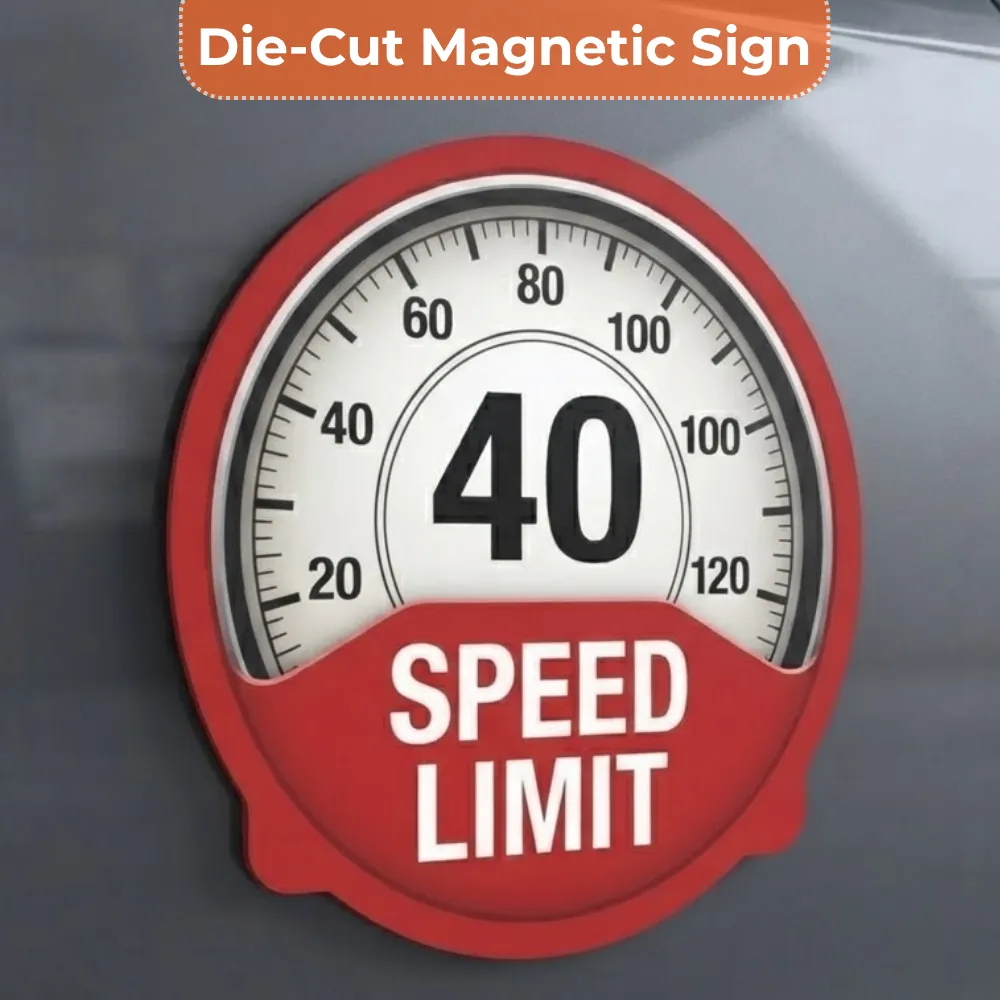
A: Regulatory traffic signs communicate rules, prohibitions, restrictions, or mandatory instructions that road users are required to follow, such as Stop, No Entry, and Speed Limit signs.
Q: What are traffic warning signs?
A: Traffic warning signs alert road users to potential hazards or changes in road conditions, such as road works, sharp turns, pedestrian crossings, slippery surfaces, or road narrowing.
Q: What are temporary traffic control signs?
A: Temporary traffic control signs communicate short-term changes to normal traffic conditions, including road construction, lane closures, detours, maintenance, emergencies, and temporary speed restrictions.
Q: Where are traffic control signs used?
A: They are used on roads, highways, intersections, construction sites, roadwork zones, parking areas, industrial facilities, private roads, pedestrian areas, and temporary work zones.
Q: What are construction traffic control signs?
A: Construction traffic control signs are signs used to communicate roadwork hazards, lane closures, reduced speeds, detours, workers, equipment movements, pedestrian diversions, and temporary traffic routes.
Q: What makes an effective traffic control sign?
A: An effective sign should be clear, highly visible, legible, appropriately sized, recognizable, correctly positioned, durable, and suitable for the traffic environment.
Q: Where should traffic control signs be placed?
A: Signs should be positioned where road users have enough time and distance to see, understand, and safely respond to the instruction or warning.
Q: Should traffic control signs be reflective?
A: Yes, retroreflective materials can improve nighttime visibility by reflecting vehicle headlights toward approaching drivers. Requirements depend on the sign, road, and applicable standards.
Q: What materials are used for traffic control signs?
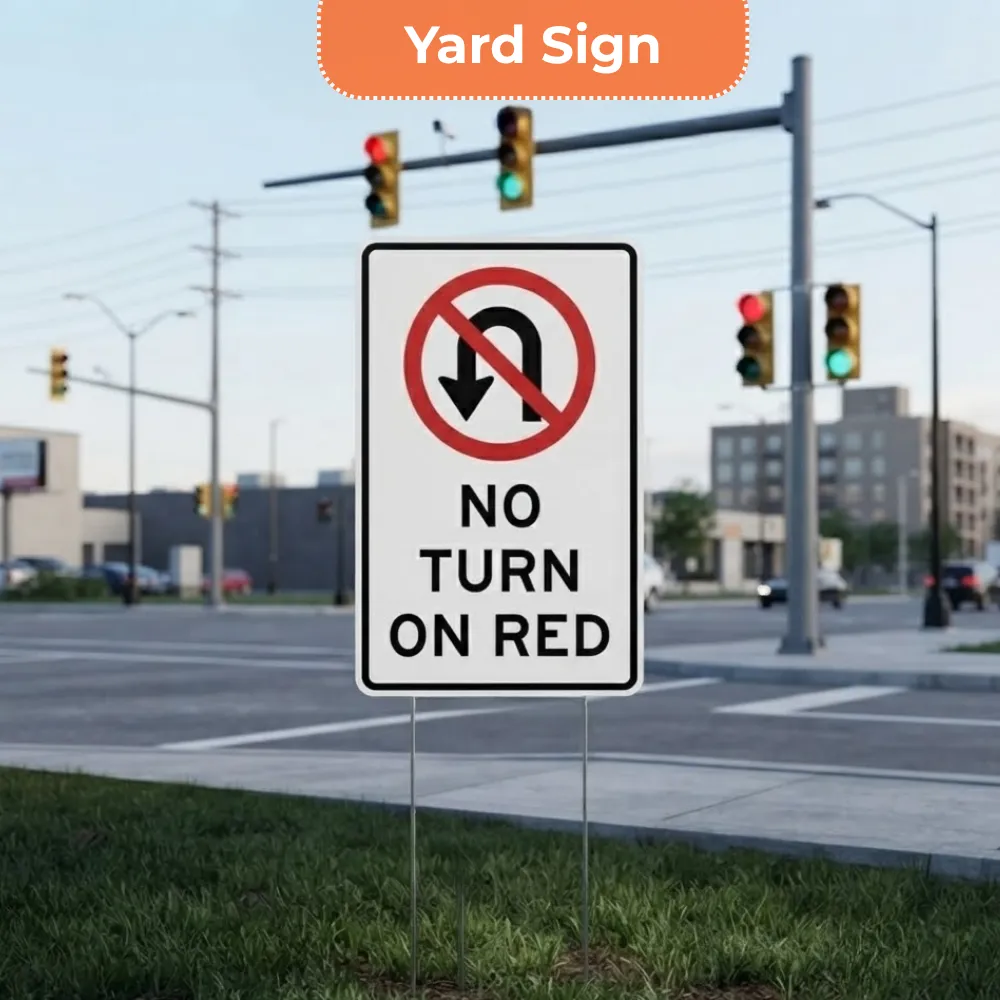
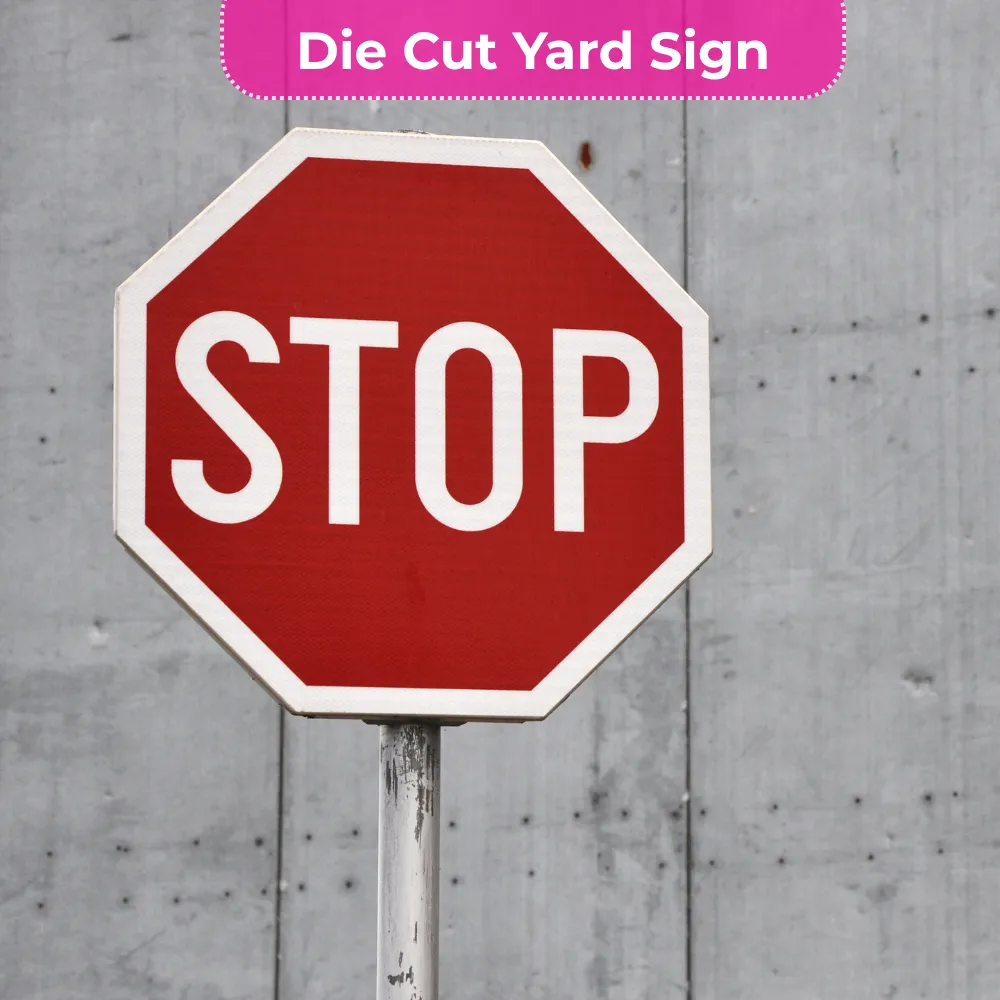
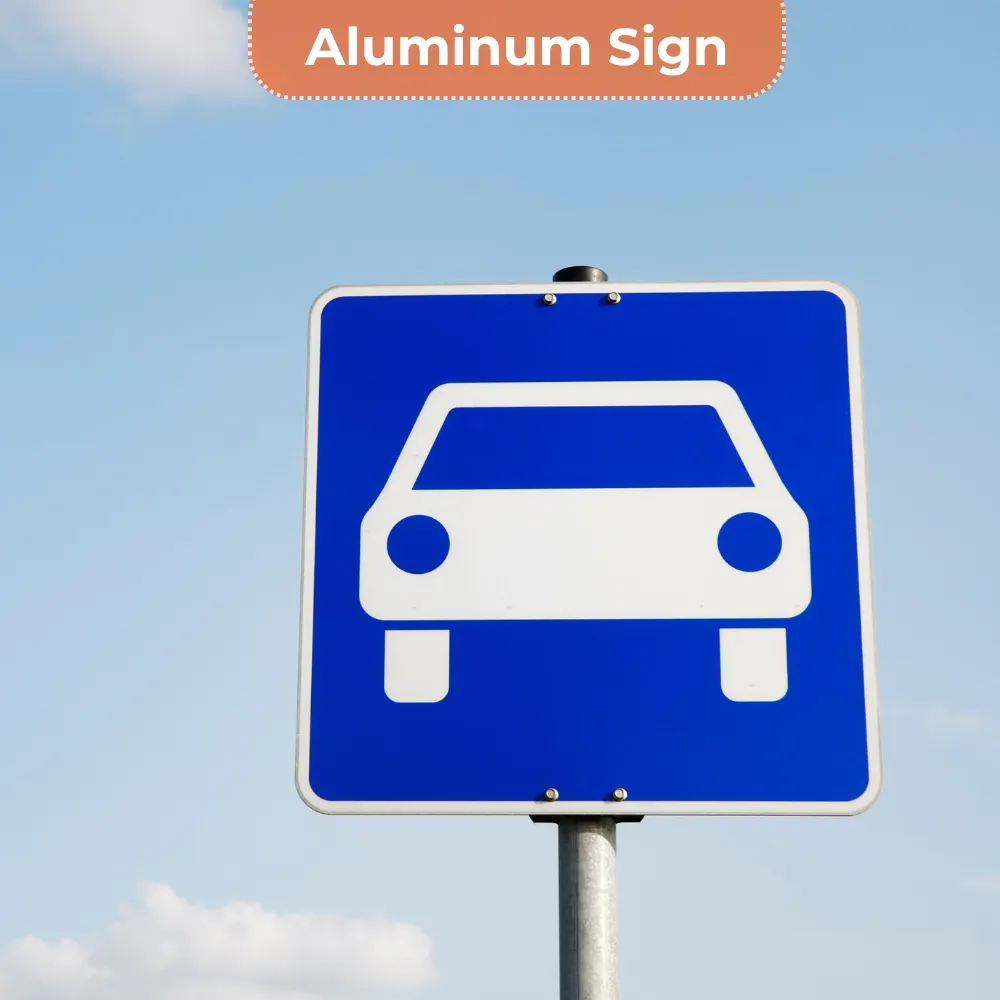
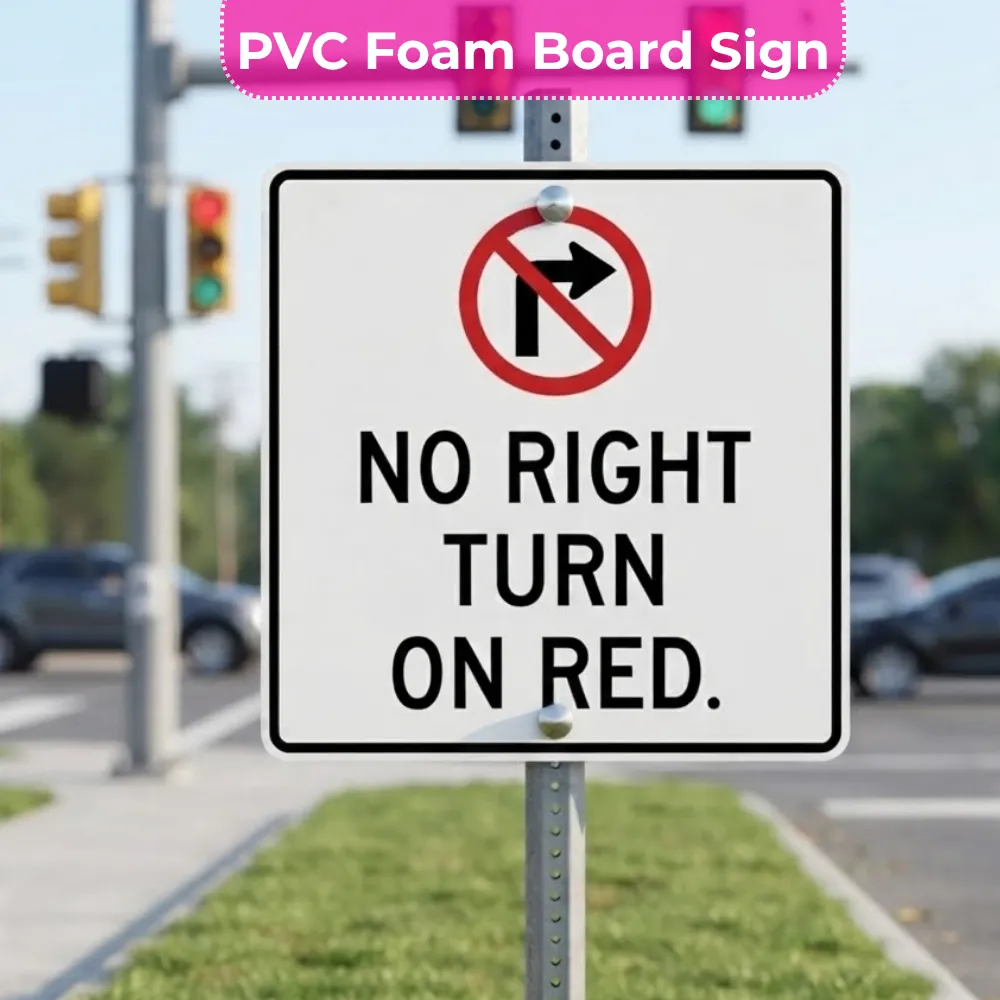
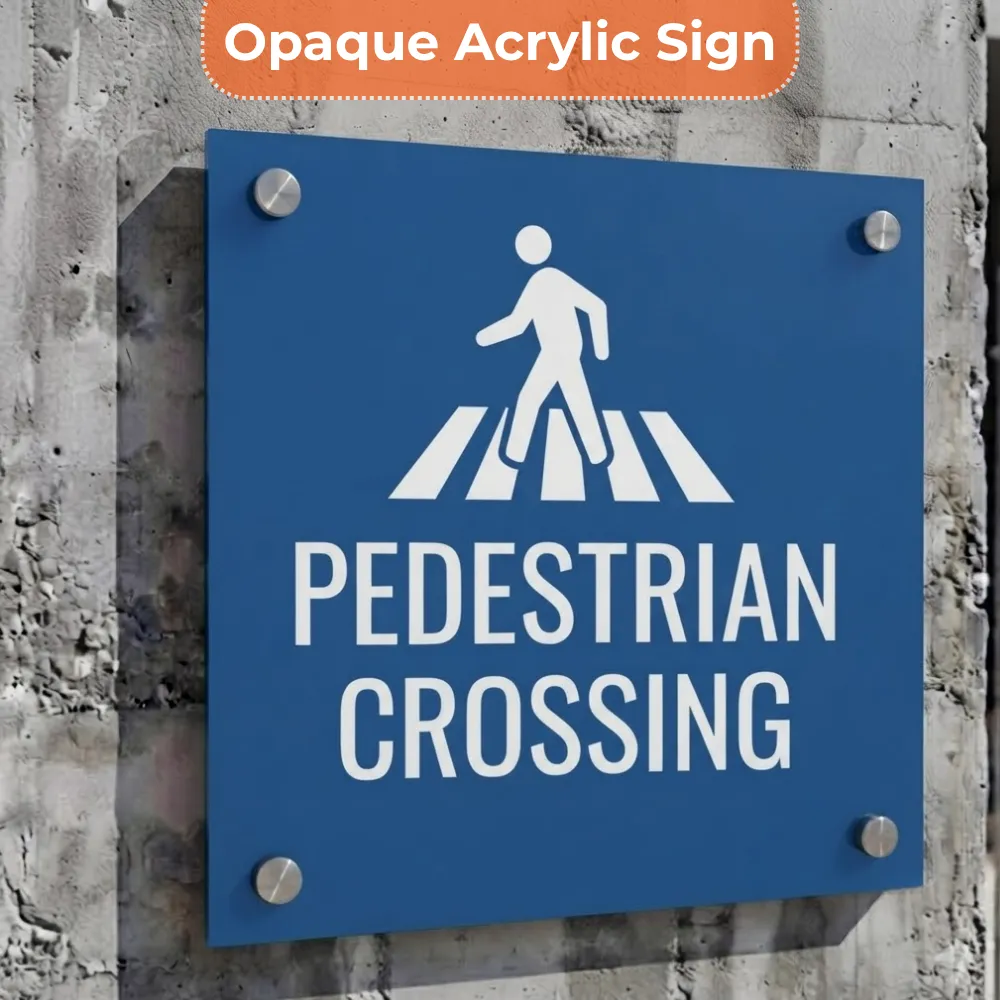
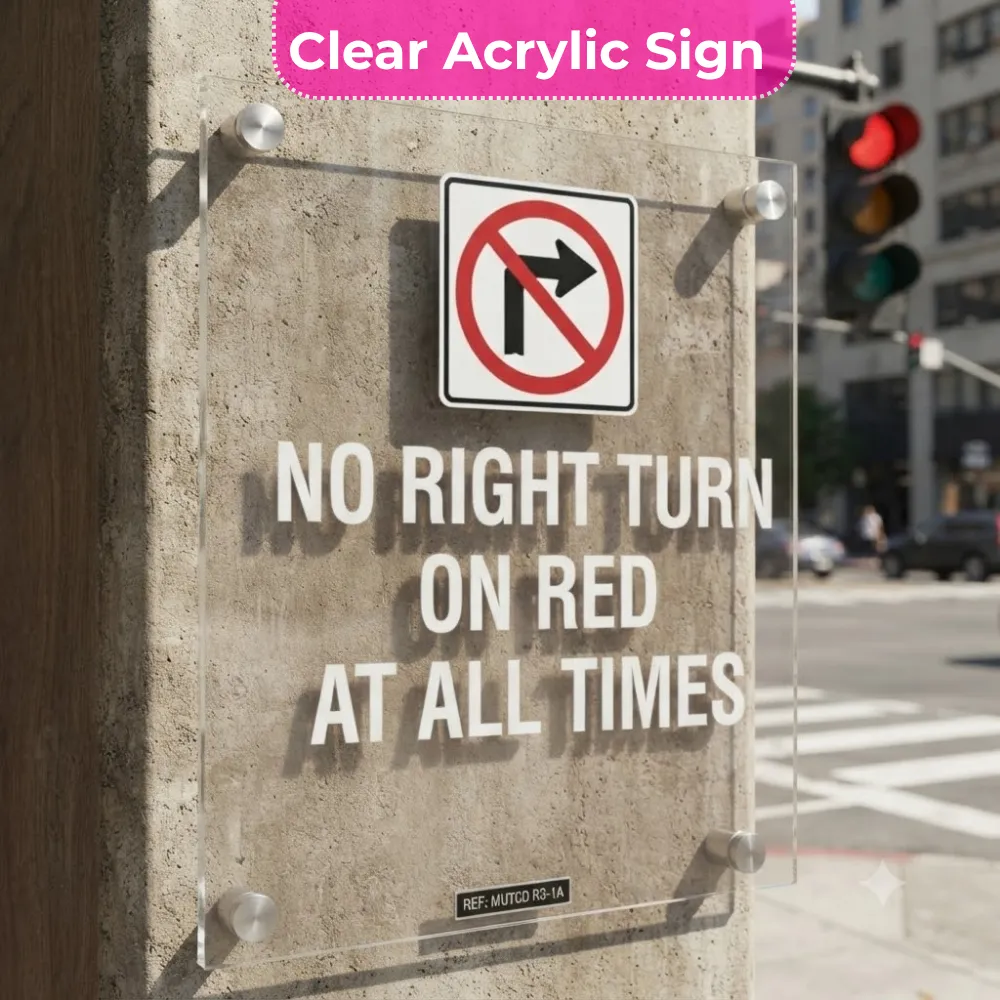
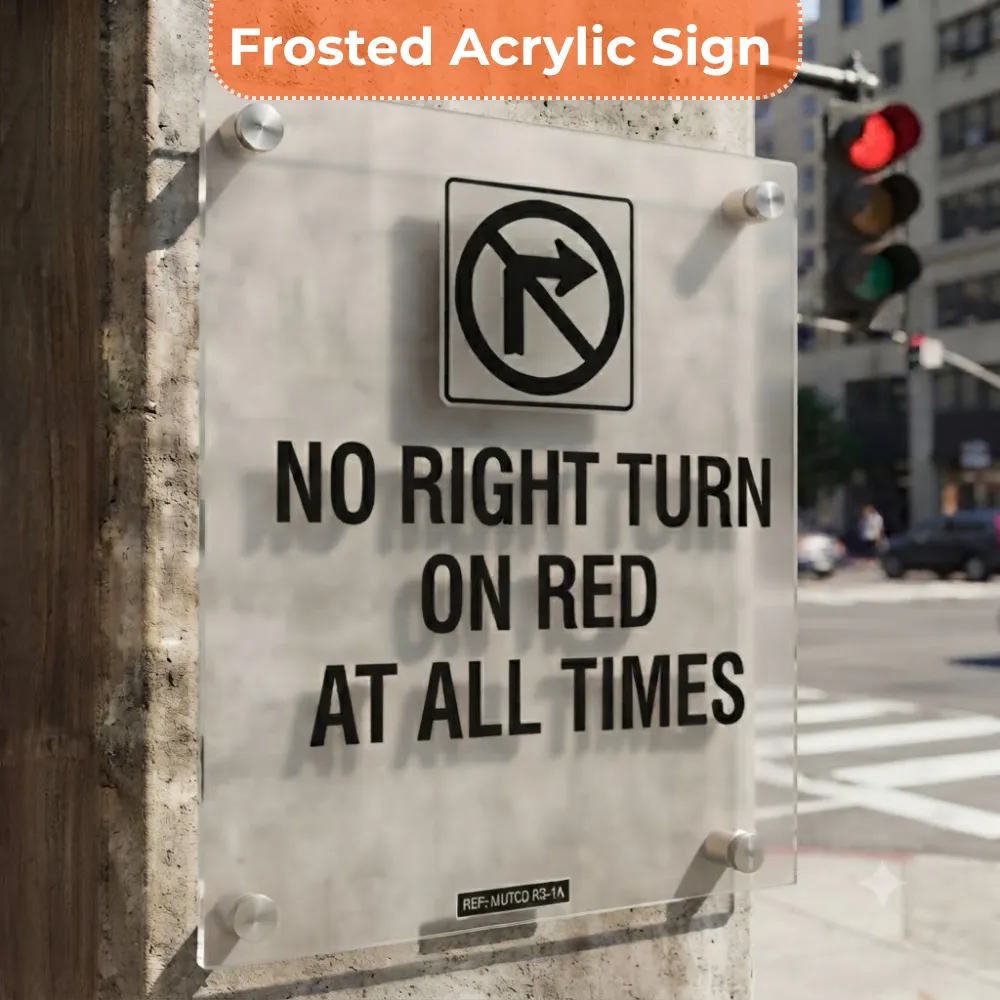
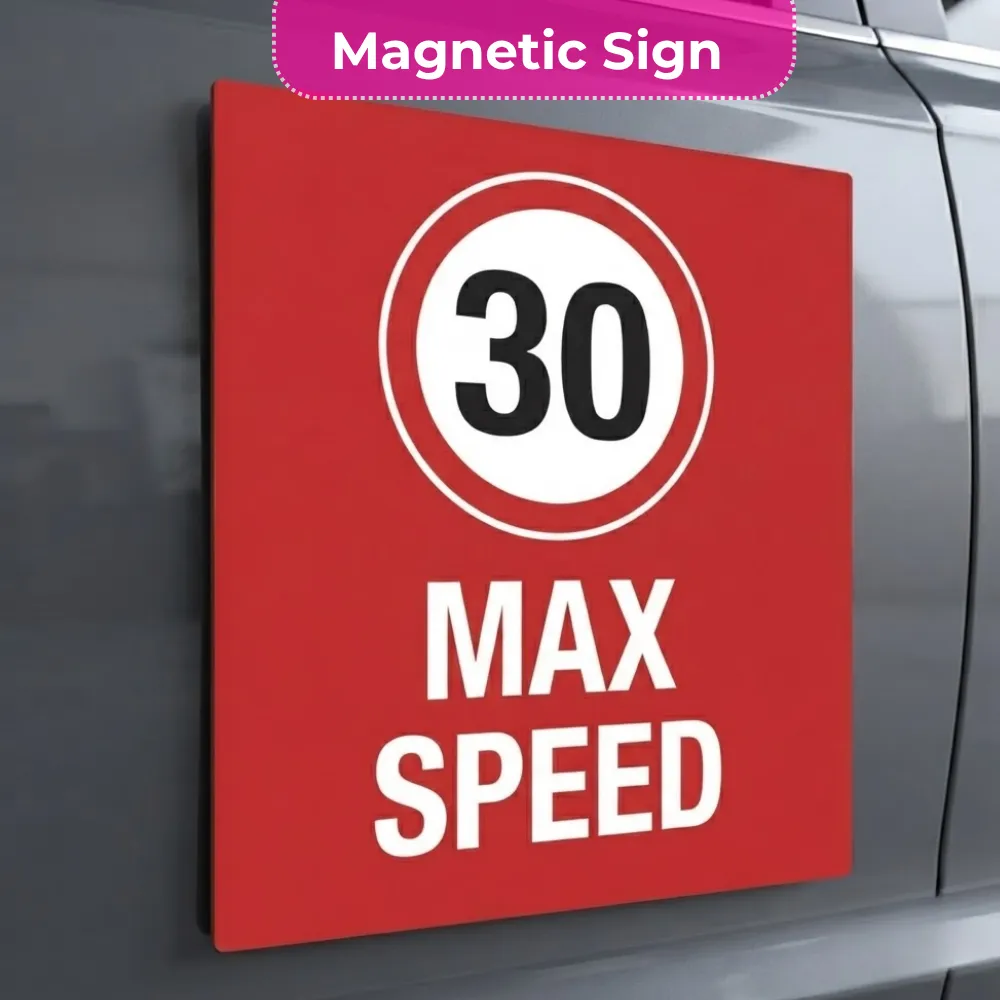
A: Common materials include Corrugated/Coroplast plastic, PVC Foam Board, Aluminum, Acrylic and Magnetic with the choice depending on the application, environment, durability requirements, and applicable specifications.
Q: Can traffic control signs be used at construction sites?
A: Yes. They are essential for communicating temporary traffic arrangements, construction hazards, road closures, lane restrictions, pedestrian routes, detours, and speed controls.
Q: How do traffic control signs improve road safety?
A: They provide standardized visual information that helps road users recognize hazards, follow traffic rules, navigate safely, and respond to changes in road conditions.
Q: What is the difference between traffic control signs and road signs?
A: Traffic control signs are a broad category covering signs that regulate, warn, guide, or inform road users. Road signs is a broader everyday term that can refer to many signs installed on or beside roads.
Q: Can traffic control signs be customized?
A: Some signs can be customized for private roads, industrial facilities, parking areas, construction sites, and temporary traffic management, but signs used on public roads generally need to follow the applicable standardized designs and requirements.
Q: How should temporary traffic signs be managed?
A: Temporary signs should be installed correctly, kept visible and relevant while the temporary condition exists, and removed, covered, or updated when the condition ends.
Q: How should traffic control signs be maintained?
A: Inspect signs for fading, damage, dirt, corrosion, poor reflectivity, obstruction, loose mounting, incorrect positioning, and outdated information. Repair or replace ineffective signs promptly.
Q: What factors should be considered when choosing traffic control signs?
A: Consider the traffic condition, road type, vehicle speed, viewing distance, traffic volume, pedestrian movement, sign visibility, lighting, environmental conditions, temporary or permanent use, and applicable traffic standards.
Q: Are traffic control signs legally required?
A: Requirements vary by country, road authority, road classification, industry, work-zone conditions, and sign type. Public-road and construction traffic signs should follow the applicable laws, standards, and road-authority specifications.

Sign in or create an account to add this product to your cart.
No products in the cart.