HALLOWEEN SUPER SALE 30% OFF USE CODE: SPOOKY
| ShippingMethod | Fixed Price(Unlimited QTY) |
|---|---|
| Priority* | $30 |
| Express* | $20 |
Size (W X H)
Size (W X H)

Kindly share the artwork via email at design@ebannersigns.com
Commercial construction signs should communicate their message quickly and clearly. Short, direct wording helps workers, visitors, contractors, and the public understand important safety information without unnecessary reading.
Construction sites may contain scaffolding, equipment, vehicles, fencing, building materials, and temporary structures. Signs should remain clearly visible from an appropriate viewing distance.
Visibility can be improved through strong color contrast, suitable sign size, clear typography, recognizable symbols, appropriate lighting, reflective materials where required, and strategic placement.
Effective construction signage should identify the specific hazard or required action rather than relying only on generic warnings.
Common commercial construction hazards include:
Warning signs alert people to potential hazards that require increased attention.
Examples include:
Commercial construction projects may require specific PPE based on workplace hazards and activities.
PPE signage should reflect the site’s hazard assessment and applicable safety requirements.
Commercial construction sites frequently contain areas that should only be accessed by authorized personnel.
Where physical exclusion is necessary, signs should be supported by fencing, gates, barriers, locks, or other access controls.
Commercial construction site entrance signs help organize access and communicate important information before entry.
Commercial projects may receive visitors, inspectors, contractors, suppliers, and delivery personnel. Visitor signs can communicate:
Large commercial construction sites may contain multiple buildings, work zones, parking areas, loading zones, offices, and pedestrian routes.
Directional signs can identify:
Construction activities may affect sidewalks, entrances, public walkways, and internal pedestrian routes.
Pedestrian signs can communicate:
Where pedestrians are exposed to significant hazards, signage should be combined with appropriate physical separation and safe alternative routes.
Commercial construction projects may involve trucks, forklifts, cranes, excavators, loaders, and other mobile equipment.
Traffic signs can communicate:
Cranes and lifting equipment can create hazards from suspended or moving loads. Signs may identify:
Signage should complement appropriate exclusion zones, lifting procedures, trained personnel, and physical controls.
Commercial construction projects may involve foundations, basements, drainage, utilities, and other excavation activities.
Signs can warn about:
Excavation signage should be supported by appropriate protective systems, barriers, covers, access controls, and other safety measures where required.
Fire safety signage helps workers and visitors locate fire equipment and emergency facilities.
Commercial construction sites should clearly identify relevant emergency facilities.
Emergency signage should be regularly checked to ensure the information remains accurate and visible.
Commercial construction signs are often exposed to demanding conditions, including rain, sunlight, wind, dust, mud, moisture, temperature changes, and heavy site activity.
Durable materials help maintain legibility, color, visibility, and structural integrity throughout the project.
Some commercial construction projects operate during early morning, evening, or nighttime hours. Where appropriate, signs may use retroreflective materials or suitable illumination to improve visibility.
Sign placement is critical to effectiveness. Signs should be located where the intended audience has sufficient time to see, understand, and respond to the message before reaching the hazard, restriction, or decision point.
Important locations include:
Commercial construction signs are safety, warning, mandatory, regulatory, directional, and informational signs used on or around commercial construction sites to communicate hazards, site rules, PPE requirements, access restrictions, traffic instructions, emergency information, and directions.
They are commonly used for office buildings, retail centers, shopping complexes, warehouses, hotels, hospitals, factories, business parks, mixed-use developments, and other commercial construction projects.
Because commercial construction sites often involve workers, contractors, visitors, delivery vehicles, heavy equipment, and changing work conditions, effective signage provides clear visual information about what is happening, what hazards exist, what actions are required, and where people should move.
Commercial construction signs are visual communication tools designed to warn, inform, guide, regulate, and control movement around commercial building projects.
They can communicate information about:
The purpose of commercial construction signage is to provide clear information at the location where workers, visitors, drivers, or pedestrians need to understand and act on it.
Commercial construction projects can contain numerous hazards, including moving vehicles, heavy machinery, elevated work, excavation, construction materials, temporary structures, electrical work, and restricted work zones.
Well-planned signage helps:
Signs are an important safety communication measure but should work alongside risk assessment, physical controls, PPE, safe work procedures, training, supervision, and emergency planning.
Q: What are commercial construction signs?
A: Commercial construction signs are safety, warning, mandatory, regulatory, directional, and informational signs used at commercial construction sites to communicate hazards, site rules, PPE requirements, access restrictions, traffic instructions, and emergency information.
Q: Why are commercial construction signs important?
A: They help warn workers and visitors about hazards, communicate safety requirements, control site access, guide pedestrians and vehicles, and identify emergency facilities.
Q: Where are commercial construction signs used?
A: They are commonly used at office buildings, retail developments, shopping centers, warehouses, hotels, hospitals, factories, business parks, and commercial development projects.
Q: What are the main types of commercial construction signs?
A: Common types include warning signs, danger signs, mandatory PPE signs, restricted-area signs, site entrance signs, directional signs, pedestrian safety signs, vehicle signs, excavation signs, fire safety signs, and emergency signs.
Q: What are commercial construction warning signs?
A: Commercial construction warning signs alert people to hazards such as falling objects, excavation, moving machinery, electrical work, overhead work, cranes, construction vehicles, and slippery surfaces.
Q: What PPE signs are used on commercial construction sites?
A: Common PPE signs include Hard Hat Required, Safety Shoes Required, Eye Protection Required, Safety Vest Required, Hearing Protection Required, Gloves Required, and Safety Harness Required.
Q: What are restricted-area construction signs?
A: Restricted-area signs communicate that access is limited to authorized personnel. Common messages include Authorized Personnel Only, No Unauthorized Entry, Restricted Area, Keep Out, and Construction Personnel Only.
Q: What are commercial construction site entrance signs?
A: They identify authorized entry points and may provide instructions such as Visitor Registration, Sign In Required, PPE Required, Report to Site Office, Contractor Entrance, and Vehicle Entrance.
Q: What are commercial construction site exit signs?
A: Site exit signs identify designated pedestrian, vehicle, or emergency exit routes and help organize movement through the construction site.
Q: Are commercial construction signs legally required?
A: Signage requirements vary according to local regulations, workplace safety requirements, project type, construction hazards, and applicable standards. Always verify the requirements relevant to the specific project.
Q: What materials are used for commercial construction signs?
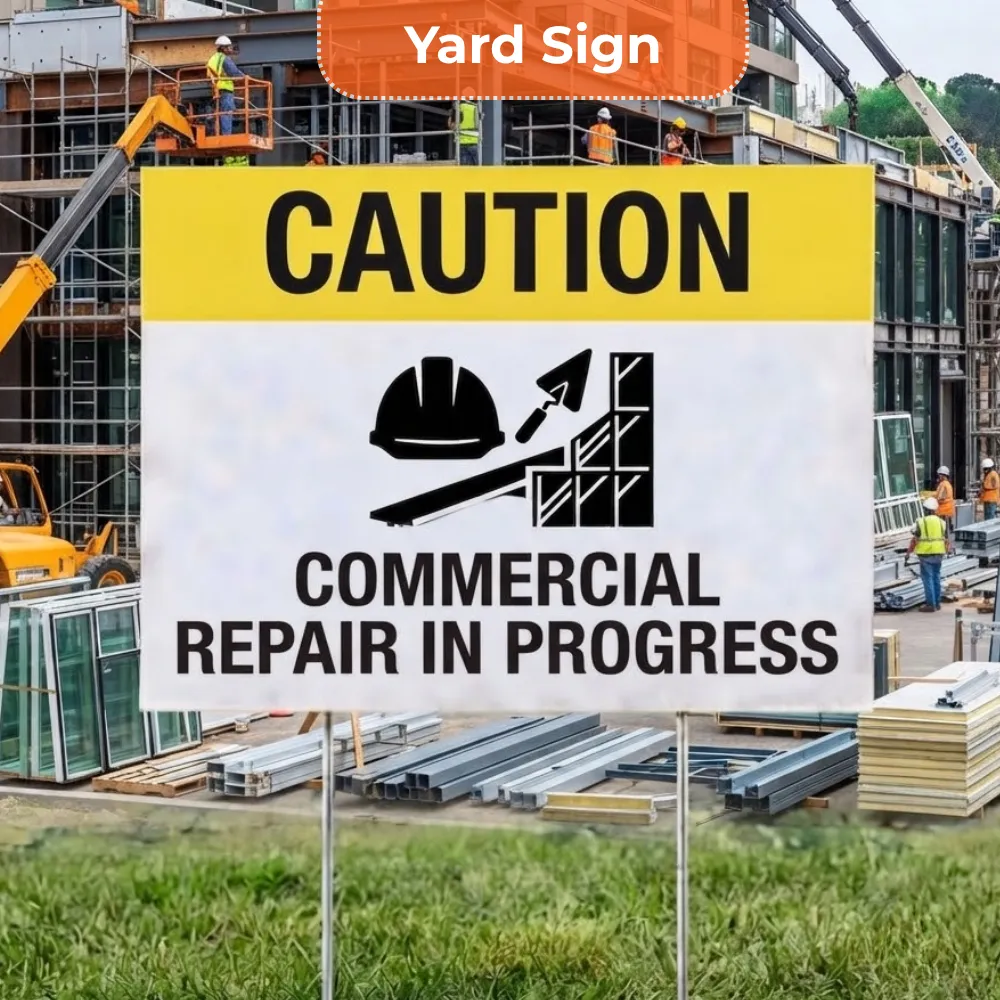
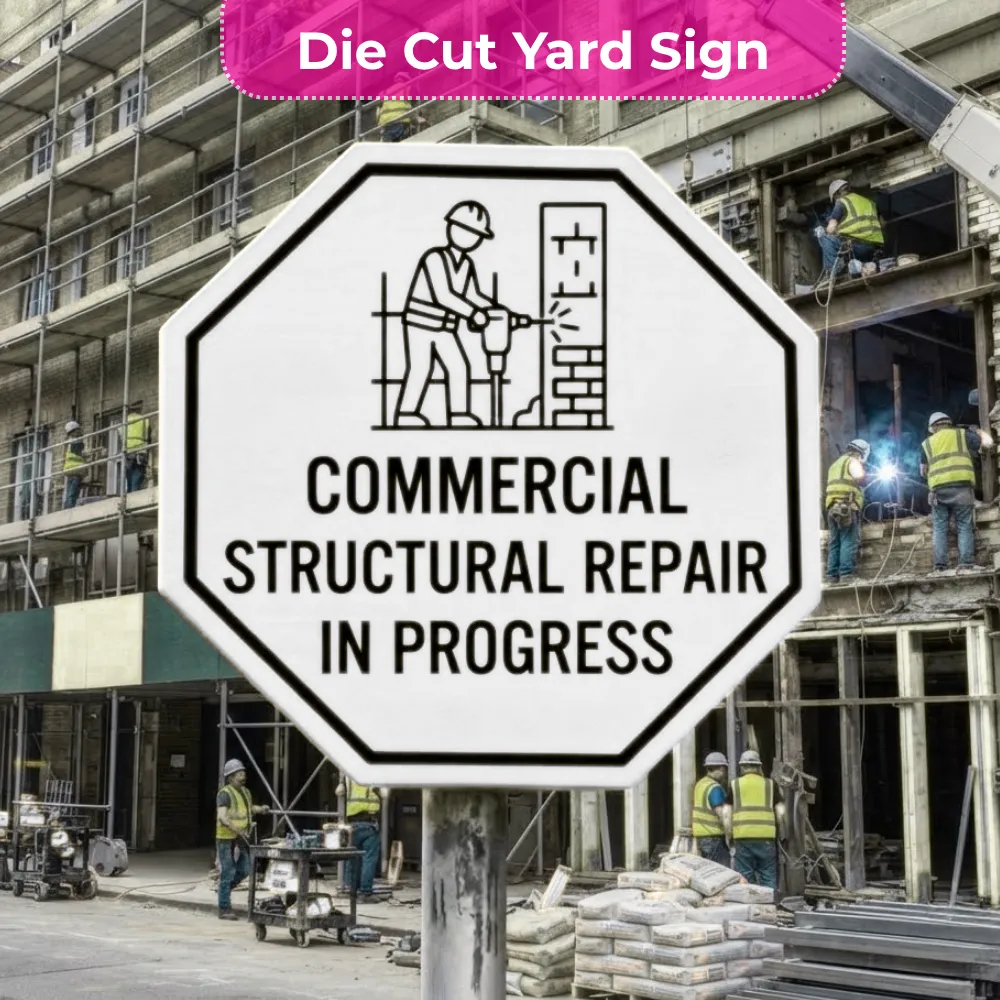
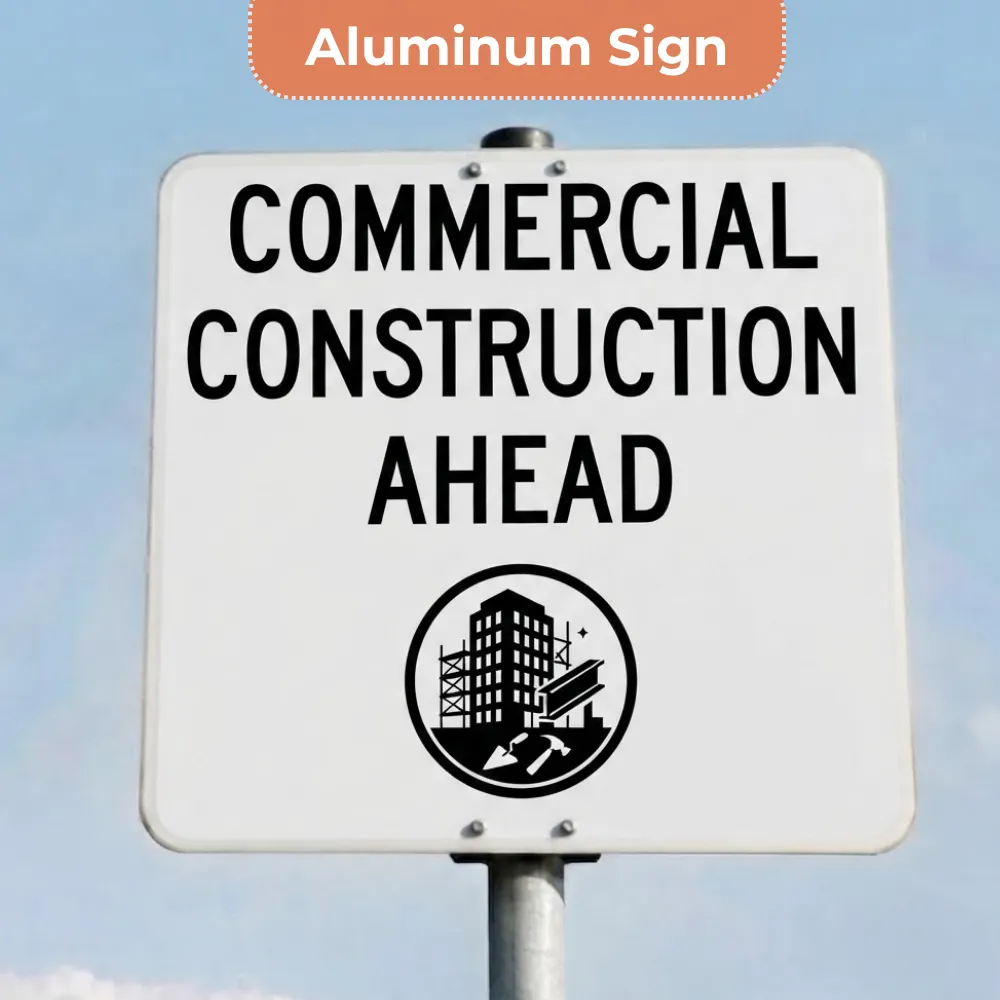
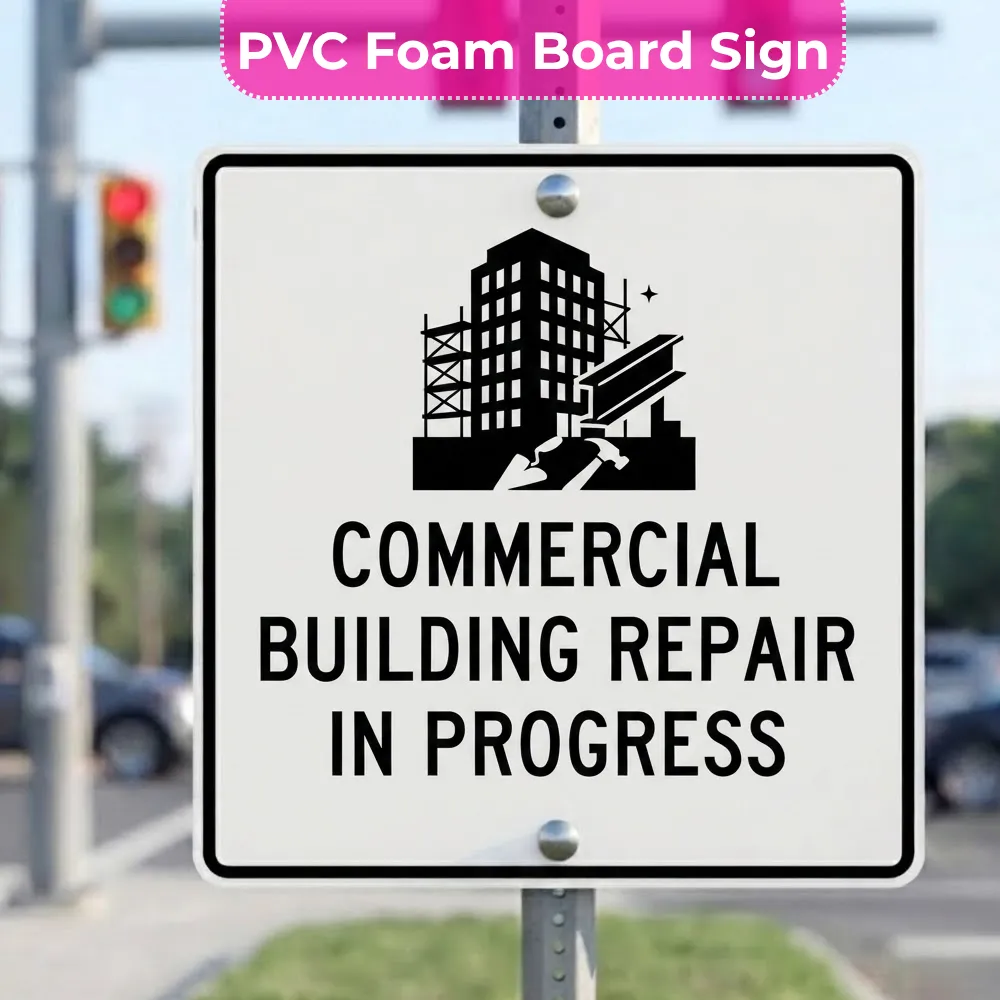
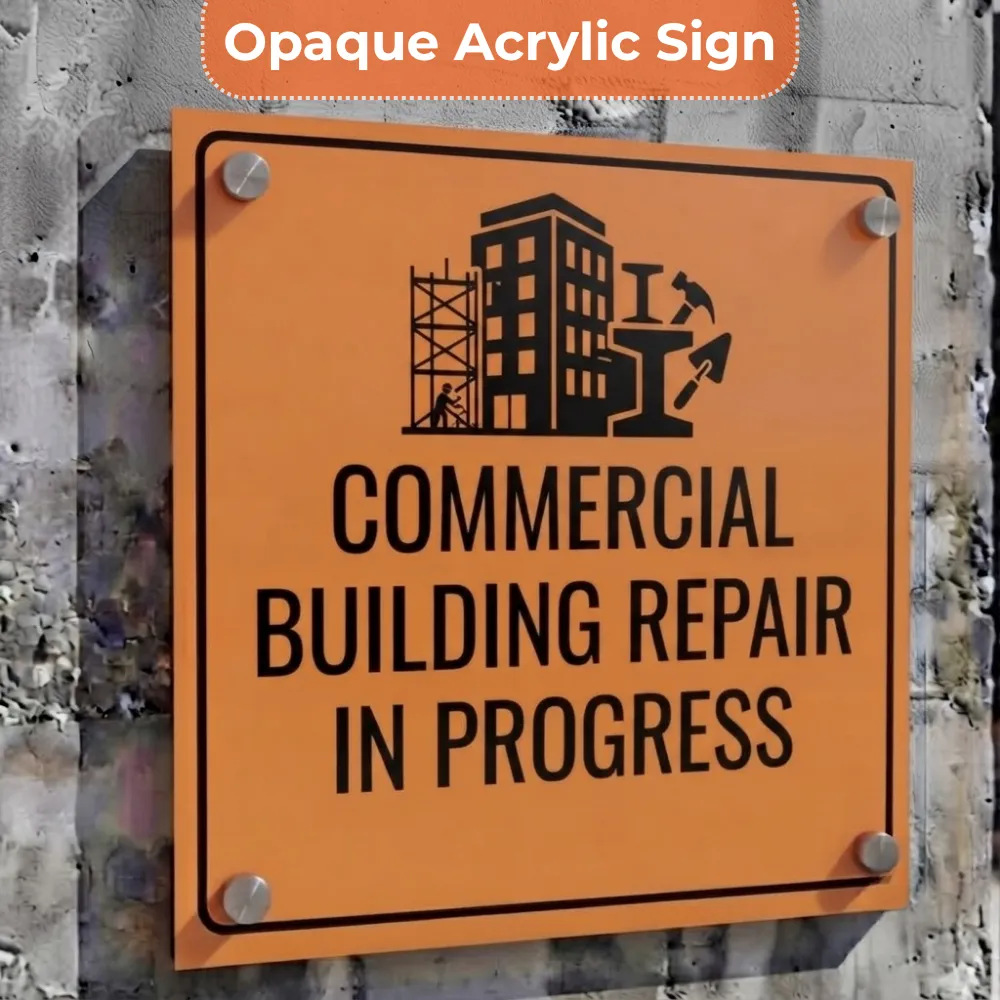
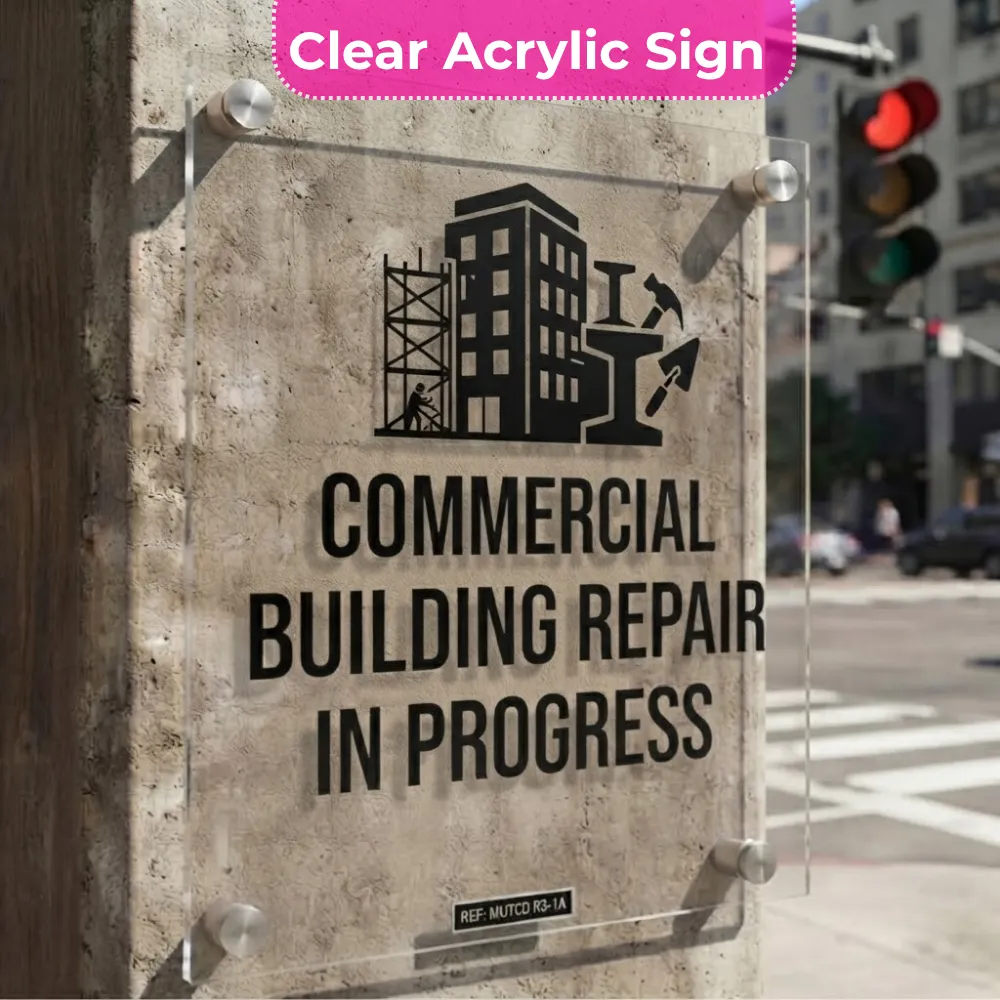
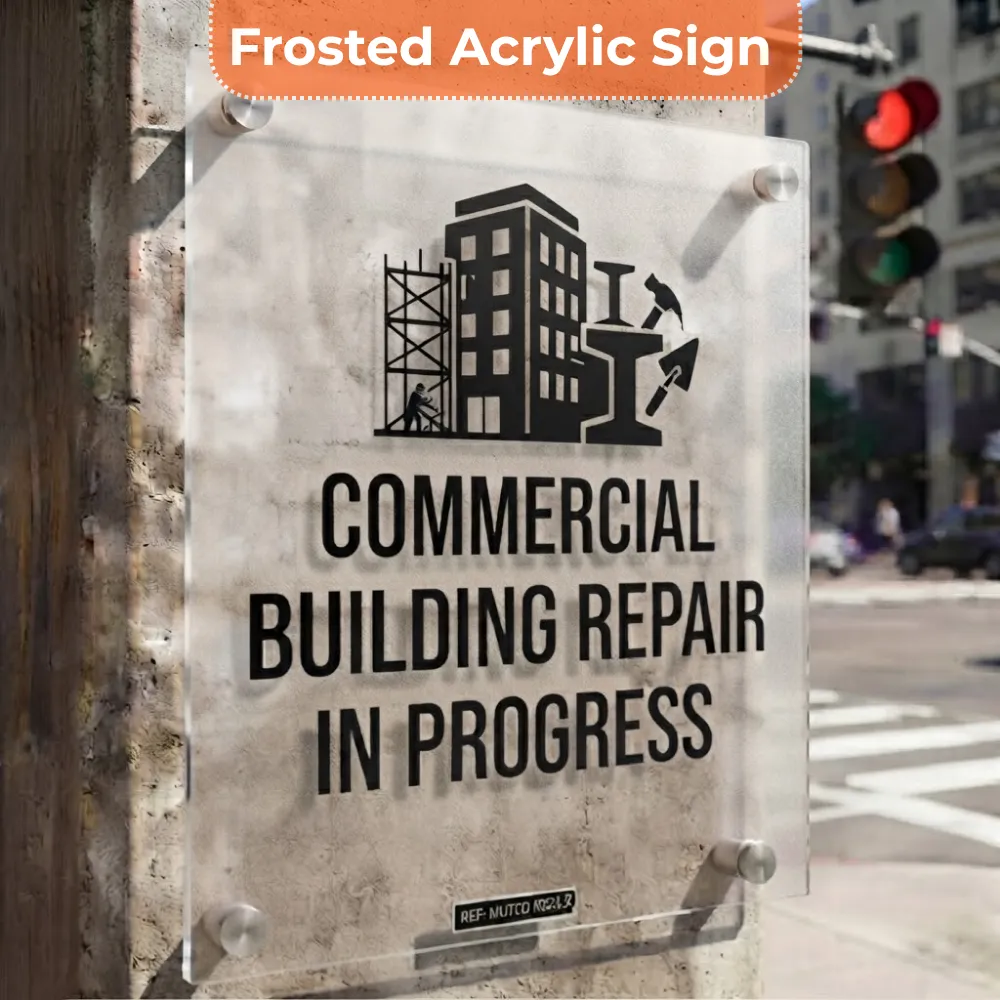
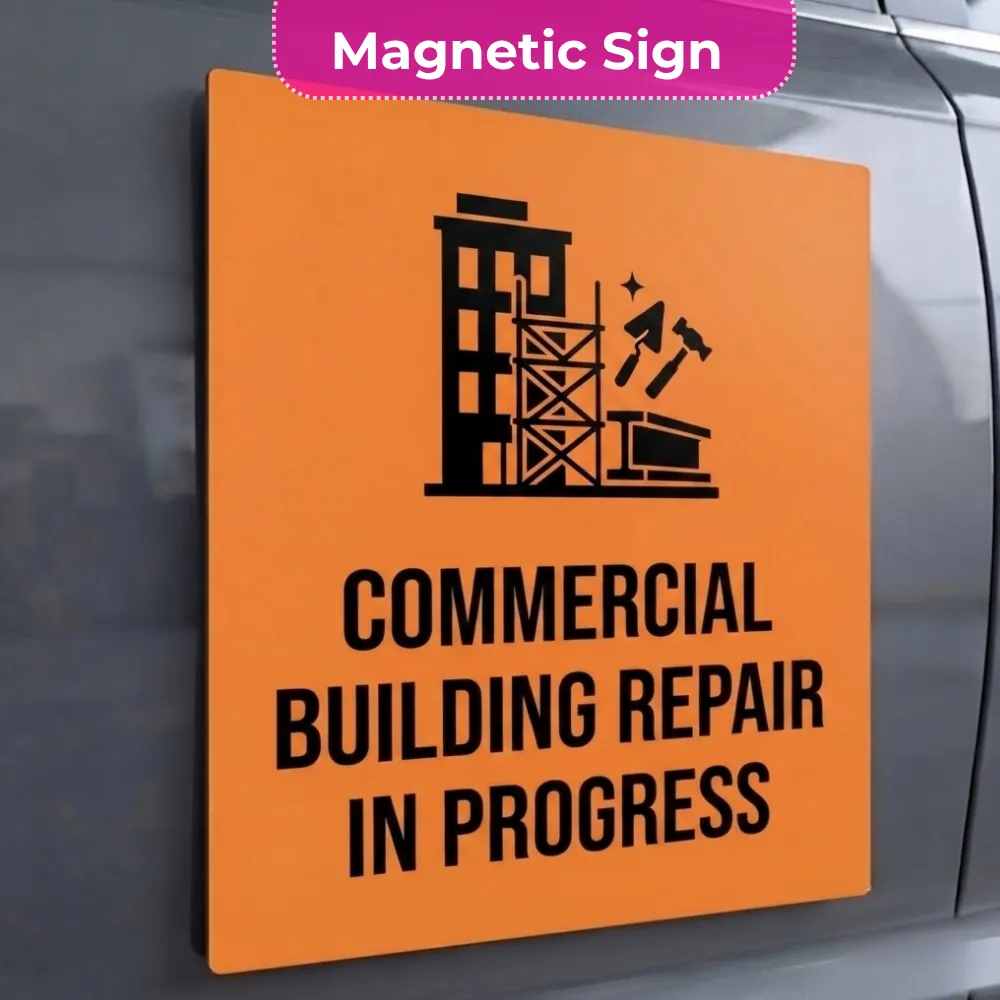
A: Common materials include Corrugated/Coroplast plastic, PVC Foam Board, Aluminum, Acrylic and Magnetic selected according to the sign’s application, environment, and expected service life.
Q: Should commercial construction signs be reflective?
A: Reflective materials can improve nighttime and low-light visibility. Signs used for public-road traffic control should meet the applicable reflectivity and illumination requirements.
Q: Where should commercial construction signs be placed?
A: Signs should be placed where workers, visitors, pedestrians, or drivers have enough time to see, understand, and respond to the message before reaching the hazard, restriction, or decision point.
Q: Can commercial construction signs be customized?
A: Yes. Project-specific signs can often be customized with hazard information, site rules, PPE instructions, directional messages, access requirements, and other relevant information, subject to applicable standards.
Q: How do commercial construction signs improve safety?
A: They provide clear visual communication about hazards, required actions, restricted areas, safe routes, emergency facilities, and changing construction conditions.
Q: Do commercial construction signs replace barriers and fencing?
A: No. Signs provide warnings and instructions but do not replace physical barriers, fencing, barricades, guardrails, traffic controls, PPE, or other required safety measures.
Q: How should commercial construction signs be maintained?
A: Inspect signs for fading, physical damage, dirt, obstruction, reduced visibility, loose mounting, outdated information, and changed site conditions. Repair, replace, reposition, cover, or remove signs when necessary.
Q: What construction signs are useful for visitors?
A: Useful visitor signs include Visitor Entrance, Report to Site Office, Sign In Required, Visitor PPE Required, Authorized Personnel Only, Follow Designated Walkway, and No Unauthorized Entry.
Q: How do I choose the right commercial construction sign?
A: Select signage based on the specific hazard or instruction, intended audience, location, viewing distance, pedestrian and vehicle movement, environmental conditions, project duration, and applicable safety requirements.
Q: What makes an effective commercial construction sign?
A: An effective commercial construction sign is clear, concise, visible, legible, durable, hazard-specific, appropriately positioned, securely installed, and regularly maintained so people can understand and act on the message when needed.

No products in the cart.