HALLOWEEN SUPER SALE 30% OFF USE CODE: SPOOKY
| ShippingMethod | Fixed Price(Unlimited QTY) |
|---|---|
| Priority* | $30 |
| Express* | $20 |
Size (W X H)
Size (W X H)

Kindly share the artwork via email at design@printwithebannersigns.com
Equipment and vehicle signs are safety and identification signs used on construction equipment, industrial vehicles, forklifts, trucks, heavy machinery, and other mobile or stationary equipment. They help identify vehicles and equipment, communicate hazards, provide operating instructions, control access, and improve awareness around moving machinery.
Effective equipment and vehicle signs should remain visible, legible, durable, and appropriate for the operating environment.
Equipment and vehicle signs should communicate information quickly and clearly. Short messages, recognizable symbols, and simple instructions help operators, workers, pedestrians, and other road users understand the information without unnecessary reading.
Vehicle and equipment signs should be easy to notice, particularly around moving machinery, loading areas, construction zones, warehouses, and industrial facilities. High contrast, appropriate colors, bold graphics, and strategic positioning improve visibility.
Standardized symbols and pictograms can communicate hazards and instructions quickly. Common messages may identify moving equipment, reversing vehicles, lifting operations, blind spots, restricted access, or required PPE.
Equipment and vehicle signs operating near roads or in low-light environments may require retroreflective materials or suitable illumination to improve visibility. Enhanced visibility can help other drivers, workers, and pedestrians identify vehicles and equipment more easily.
Vehicle and equipment signs may be exposed to rain, sunlight, dust, mud, vibration, chemicals, temperature changes, abrasion, and frequent cleaning. Durable materials and suitable finishes help maintain the sign’s visibility and legibility.
Sign dimensions should be suitable for the viewing distance, equipment size, operating environment, and intended audience. Text and symbols should remain readable without interfering with the operator’s visibility or equipment controls.
Equipment and vehicle signs should communicate the relevant risk or operational information. Examples include:
Signs should be installed where they can be seen by the intended audience without obstructing the operator’s view, lights, mirrors, cameras, controls, or safety equipment.
The sign’s position should reflect who needs to see the information—for example, an operator, pedestrian, loading-area worker, or approaching driver.
Equipment and vehicle signs should be firmly attached and correctly oriented so they remain in position despite vibration, movement, weather, washing, and normal operating conditions.
Consistent vehicle and equipment identification can help organizations distinguish machinery, communicate ownership or operational status, identify specific equipment, and support site traffic management.
Signs should be designed and installed so they can be cleaned, inspected, repaired, or replaced when necessary. Dirt, mud, oil, fading, and physical damage can reduce visibility and should be addressed promptly.
Equipment and vehicle signs may be permanent or temporary. Temporary signs can be useful for short-term hazards, changing work conditions, special operations, or temporary traffic arrangements.
Equipment and vehicle signage should follow the applicable workplace safety, transportation, machinery, traffic-control, and industry requirements. Specific requirements vary according to the equipment, location, application, and jurisdiction.
Equipment and vehicle signs are safety, identification, and instructional signs used on construction equipment, industrial vehicles, forklifts, trucks, heavy machinery, and mobile work equipment. Their purpose is to communicate hazards, operating instructions, restrictions, identification information, and safety requirements to operators, workers, pedestrians, and other road users.
Well-designed equipment and vehicle signs help people recognize moving machinery, understand potential hazards, follow site rules, and maintain safer separation from operating vehicles and equipment.
Equipment and vehicle signs provide visible information in environments where moving machinery and people may operate in close proximity. They can help:
Signs should complement, rather than replace, appropriate engineering and administrative controls such as physical separation, designated walkways, alarms, lighting, operator training, and safe operating procedures.
The exact signage required depends on the equipment, workplace, and applicable requirements. Common examples include:
Q: What are equipment and vehicle signs?
A: Equipment and vehicle signs are safety, identification, and instructional signs used on vehicles, forklifts, construction equipment, and heavy machinery to communicate hazards, rules, and operating information.
Q: Why are equipment and vehicle signs important?
A: They help warn pedestrians, identify machinery, communicate operating requirements, and improve awareness around moving vehicles and equipment.
Q: What types of equipment and vehicle signs are commonly used?
A: Common types include moving vehicle, forklift, reversing vehicle, blind-spot, keep-clear, authorized-access, PPE, load-capacity, speed-restriction, and equipment-identification signs.
Q: Where are equipment and vehicle signs used?
A: They are commonly used on construction sites, warehouses, factories, manufacturing plants, mines, logistics facilities, loading areas, and industrial workplaces.
Q: What information can equipment and vehicle signs communicate?
A: They can communicate hazards, operating instructions, access restrictions, vehicle identification, speed limits, load information, PPE requirements, and safe-distance warnings.
Q: What makes an equipment and vehicle sign effective?
A: An effective sign is clear, visible, legible, durable, securely installed, appropriately positioned, and relevant to the specific equipment or vehicle.
Q: Should equipment and vehicle signs be reflective?
A: Reflective materials can improve visibility during nighttime and low-light operations, particularly for vehicles working near roads or in poorly lit areas.
Q: What materials are used for equipment and vehicle signs?
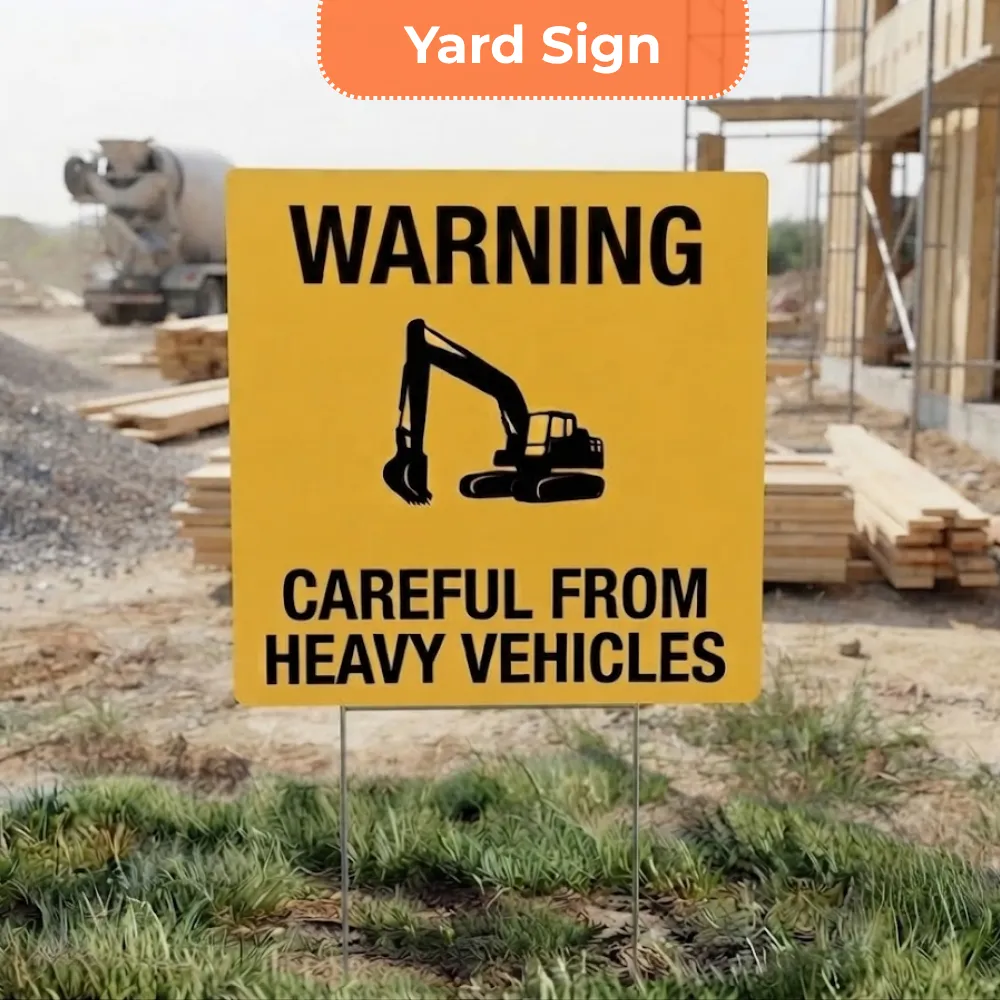
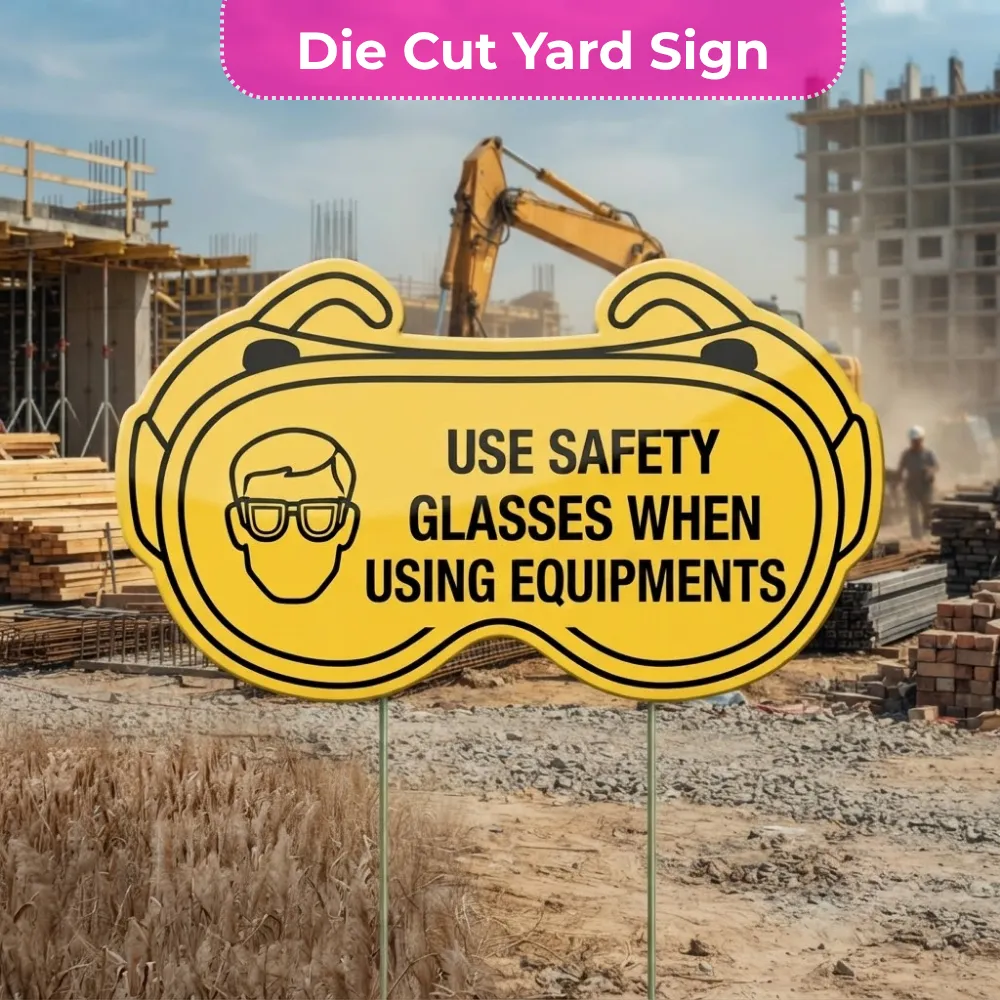
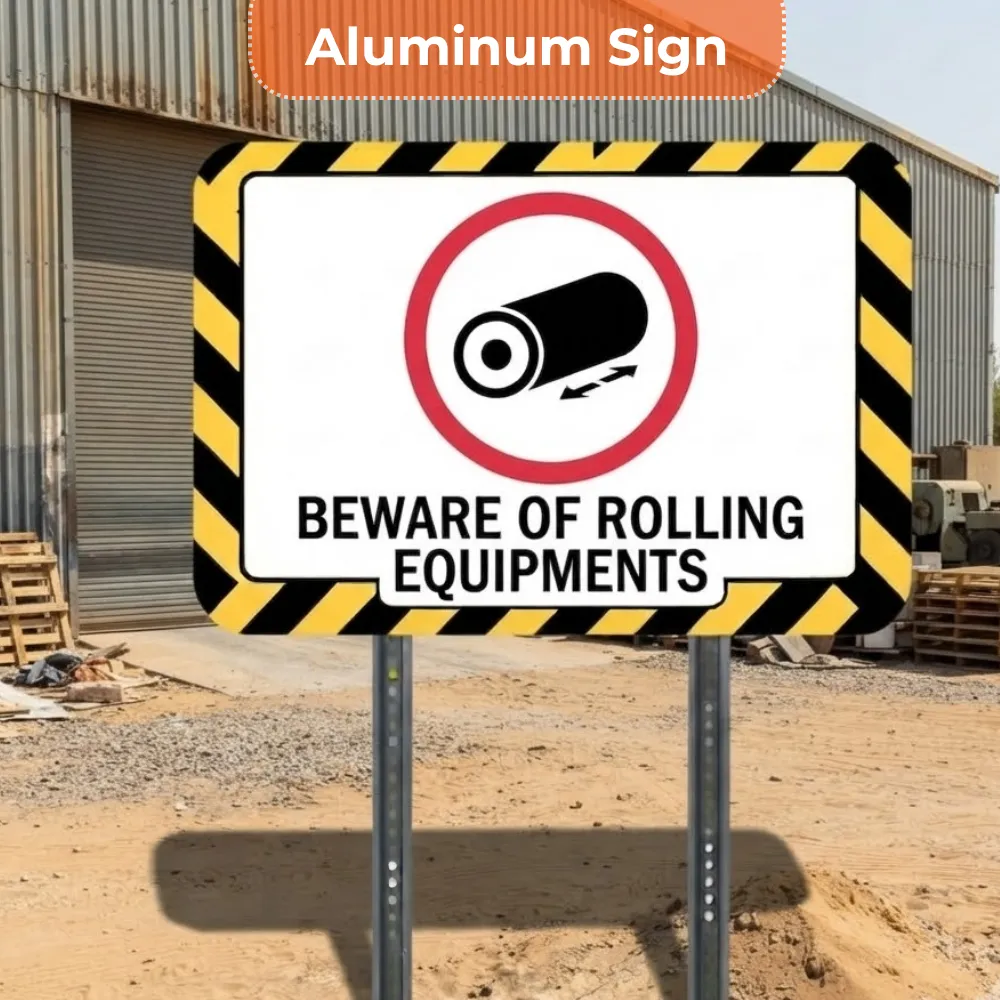
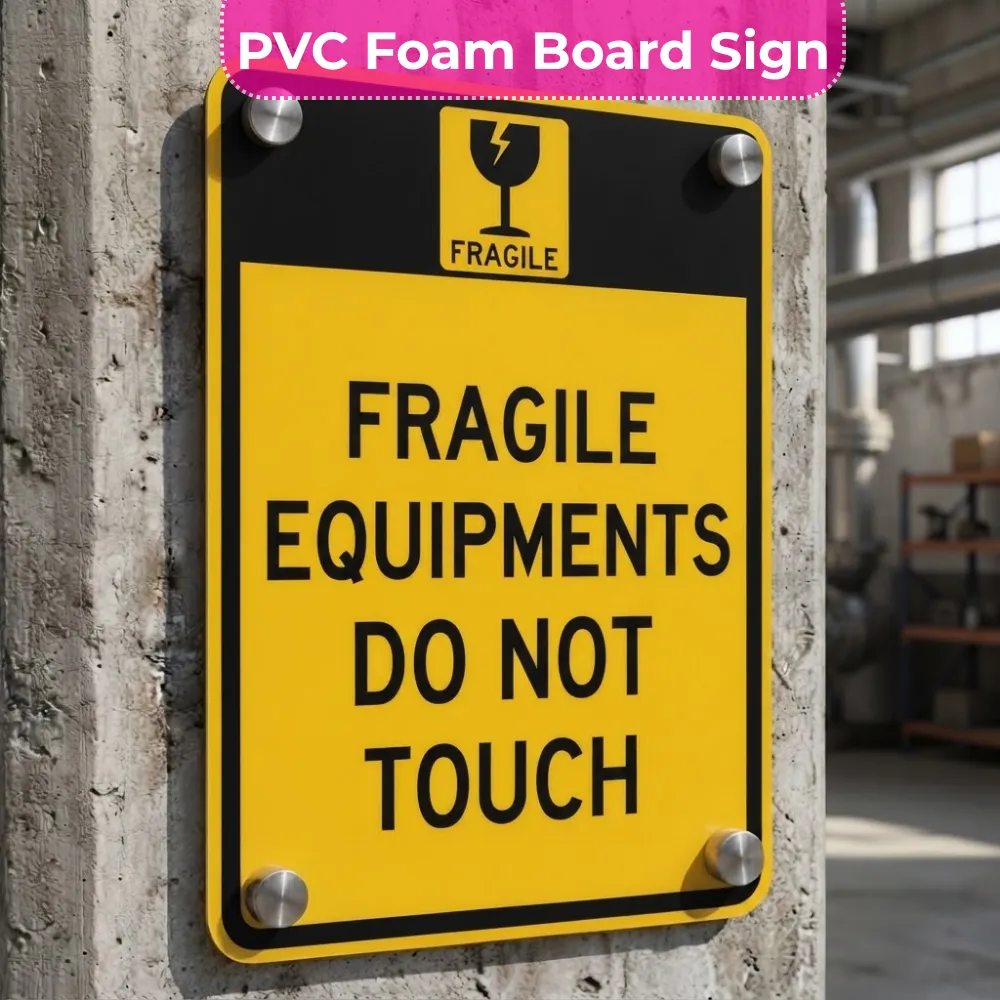
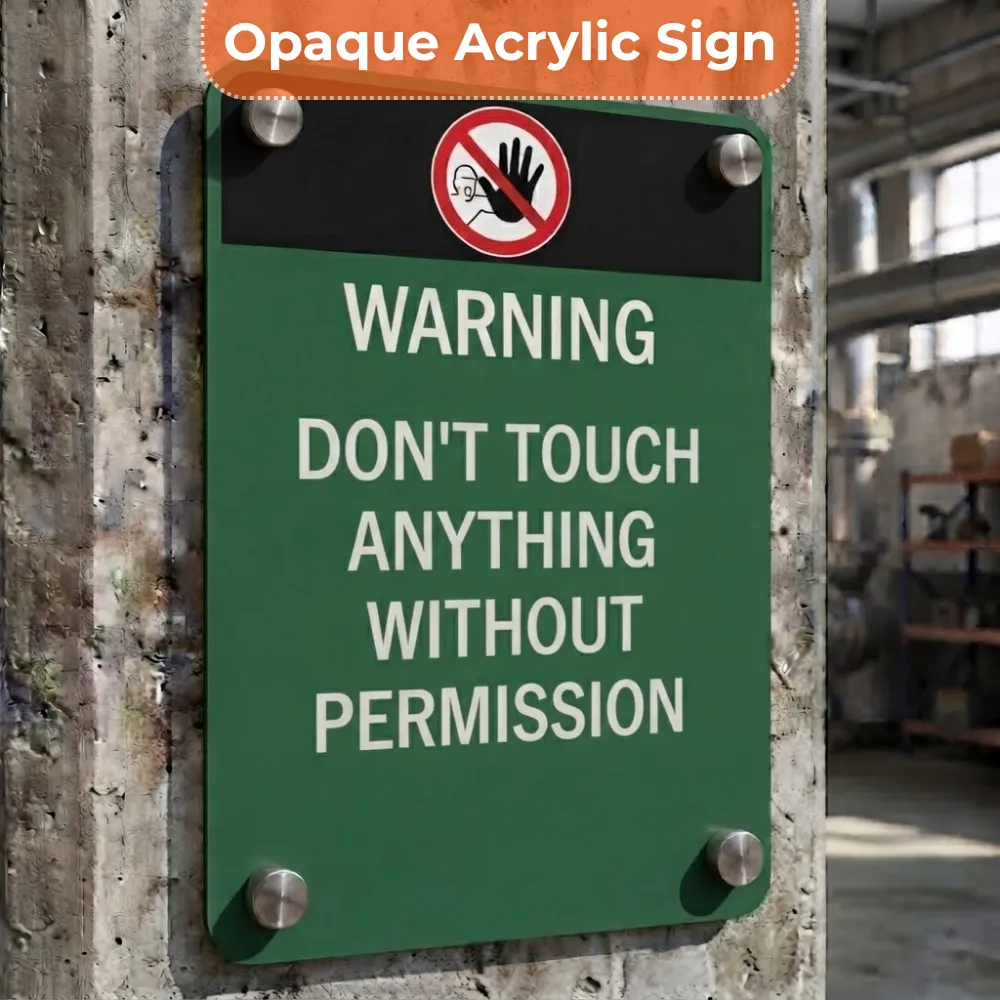
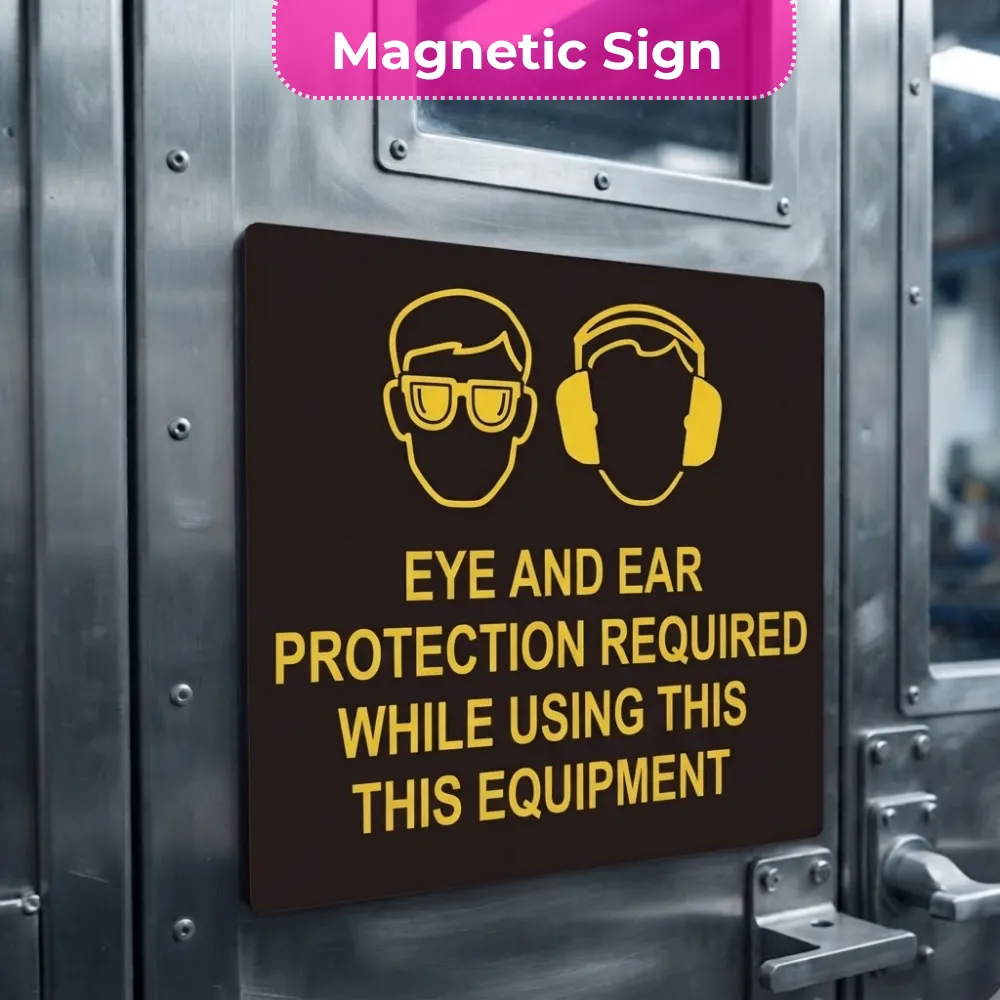
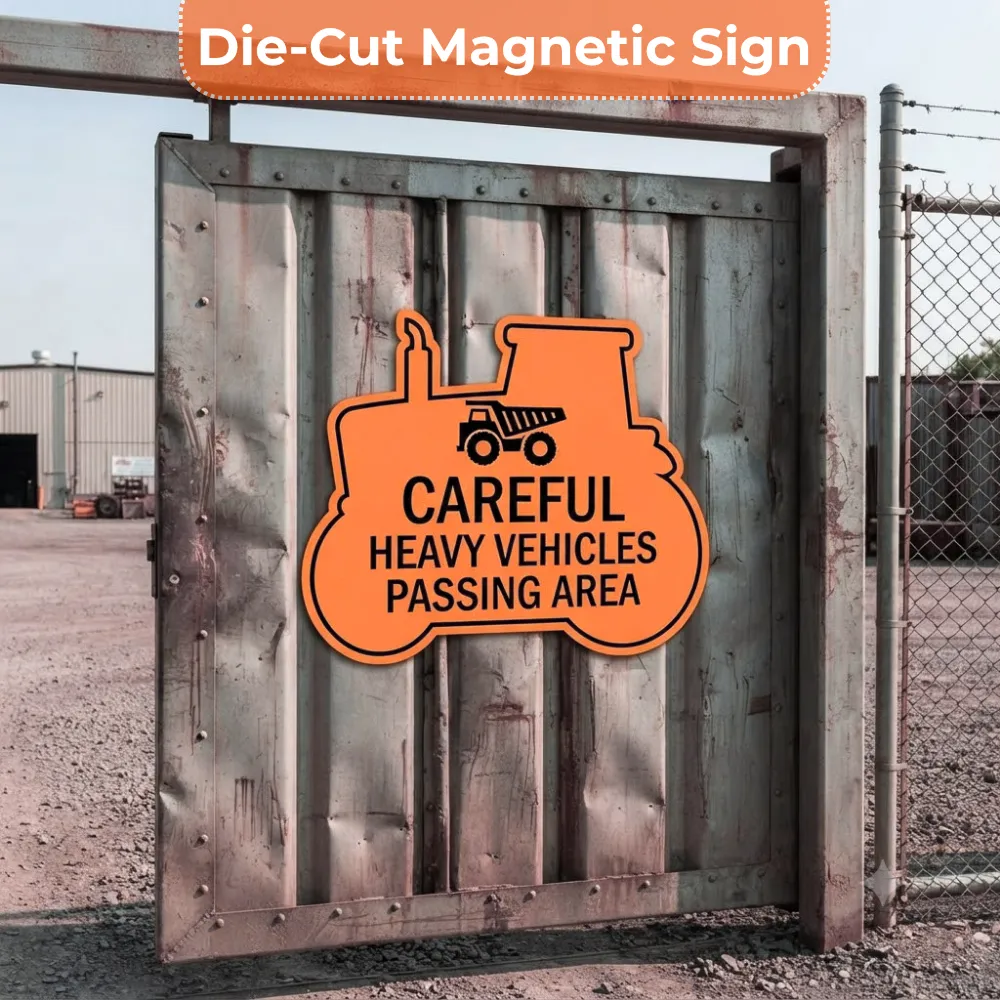
A: Common materials include Corrugated/Coroplast plastic, PVC Foam Board, Aluminum, Acrylic and Magnetic depending on the vehicle, equipment, and operating environment.
Q: Where should vehicle warning signs be placed?
A: Signs should be positioned where the intended audience can see and understand the warning without obstructing the operator’s visibility, lights, mirrors, cameras, or safety equipment.
Q: How large should equipment warning signs be?
A: Sign size depends on viewing distance, equipment size, operating environment, sign type, and applicable requirements. Text and symbols should remain clearly legible.
Q: What are blind-spot signs on vehicles?
A: Blind-spot signs warn pedestrians and other road users about areas around a vehicle or machine where the operator may have limited visibility.
Q: What are reversing vehicle signs?
A: Reversing vehicle signs alert people that a vehicle or piece of equipment may move backward, helping increase awareness around reversing operations.
Q: Are equipment and vehicle signs required by law?
A: Some signs may be required by workplace safety, transportation, machinery, or industry regulations. Requirements vary according to the equipment, workplace, and jurisdiction.
Q: Can equipment signs be used on forklifts?
A: Yes. Forklift signs can communicate pedestrian warnings, operating restrictions, load information, speed limits, and other safety instructions, subject to applicable requirements.
Q: Can equipment and vehicle signs replace safety controls?
A: No. Signs communicate information but do not physically control hazards. They should complement barriers, designated walkways, alarms, lighting, operator training, and other safety controls.
Q: How should equipment and vehicle signs be maintained?
A: Signs should be inspected for damage, fading, dirt, peeling, obstruction, loose attachment, and poor visibility and cleaned, repaired, or replaced when necessary.
Q: When should an equipment or vehicle sign be replaced?
A: Replace a sign when it becomes damaged, faded, illegible, unstable, obstructed, or no longer accurately communicates the required safety or identification information.
Q: How do vehicle signs improve workplace safety?
A: They provide visible warnings and instructions that help operators, pedestrians, and other workers recognize moving equipment, understand restrictions, and maintain safer separation.
Q: Can equipment and vehicle signs be customized?
A: Yes. Signs can often be customized for equipment identification, fleet numbers, site-specific hazards, operating instructions, emergency information, or company requirements, provided the design remains compliant with applicable standards.
Q: How do you choose the right equipment or vehicle sign?
A: Choose a sign based on the specific hazard or information, equipment type, viewing distance, location, lighting, environmental exposure, intended audience, and applicable safety requirements.

Sign in or create an account to add this product to your cart.

No products in the cart.