HALLOWEEN SUPER SALE 30% OFF USE CODE: SPOOKY
| ShippingMethod | Fixed Price(Unlimited QTY) |
|---|---|
| Priority* | $30 |
| Express* | $20 |
Size (W X H)
Size (W X H)

Kindly share the artwork via email at design@ebannersigns.com
Visitor safety signs are safety and information signs designed to help visitors, guests, contractors, customers, and other non-routine site users understand safety requirements, hazards, access restrictions, and emergency procedures. They are especially important in environments where visitors may be unfamiliar with the site layout, equipment, traffic routes, or workplace hazards.
Visitor safety signs are commonly used at construction sites, factories, warehouses, offices, industrial facilities, hospitals, schools, commercial buildings, warehouses, and other workplaces open to visitors.
Visitor safety signs should use short, direct, and easy-to-understand messages because visitors may have limited knowledge of the site’s procedures.
Common examples include:
Visitor safety signs should be easy to notice from the main entrance, reception area, parking area, pedestrian route, or other visitor approach.
High contrast, appropriate colors, bold text, recognizable symbols, and suitable sign sizes help visitors identify important instructions quickly.
Safety symbols and pictograms can communicate information quickly, particularly where visitors speak different languages or may not be familiar with technical terminology.
Examples include symbols for:
Visitor signs should communicate the specific action expected from the visitor rather than providing vague information.
For example, “Report to Reception Before Entering” gives a clearer instruction than simply displaying “Visitor Area.”
At controlled sites, signs can direct visitors to reception, security desks, visitor registration points, or sign-in systems.
Examples include:
Where personal protective equipment is required, visitor safety signs can clearly communicate requirements such as:
PPE signage should reflect the site’s actual hazard assessment and applicable requirements.
Visitors may not recognize hazards that are obvious to trained employees. Signs can warn them about moving vehicles, forklifts, machinery, construction activities, excavations, overhead lifting, electrical hazards, chemicals, slippery surfaces, and restricted areas.
Visitor safety signs can help separate pedestrian movement from vehicle and equipment traffic.
Directional signs may identify:
Visitor safety signage should help people identify important emergency facilities and routes, including:
Emergency signs should be consistent with the site’s evacuation procedures.
Visitor safety signs should be placed at locations where visitors need information before making a safety-related decision or entering an area.
Important locations may include:
The sign should be large enough for visitors to read and understand the message from the expected viewing distance.
Text should have sufficient contrast, spacing, and size to remain readable under normal site conditions.
Sites with international visitors or multilingual users may benefit from appropriate multilingual wording and universally recognizable safety symbols.
Visual communication can help reduce misunderstandings where visitors have limited knowledge of the primary site language.
Visitor safety signage should consider the needs of people with different abilities. Depending on the facility and applicable requirements, this may include clear visual contrast, suitable positioning, accessible routes, tactile information, or other accessibility features.
Outdoor visitor signs may be exposed to sunlight, rain, wind, dust, moisture, temperature changes, and physical contact. Durable materials help preserve visibility and legibility.
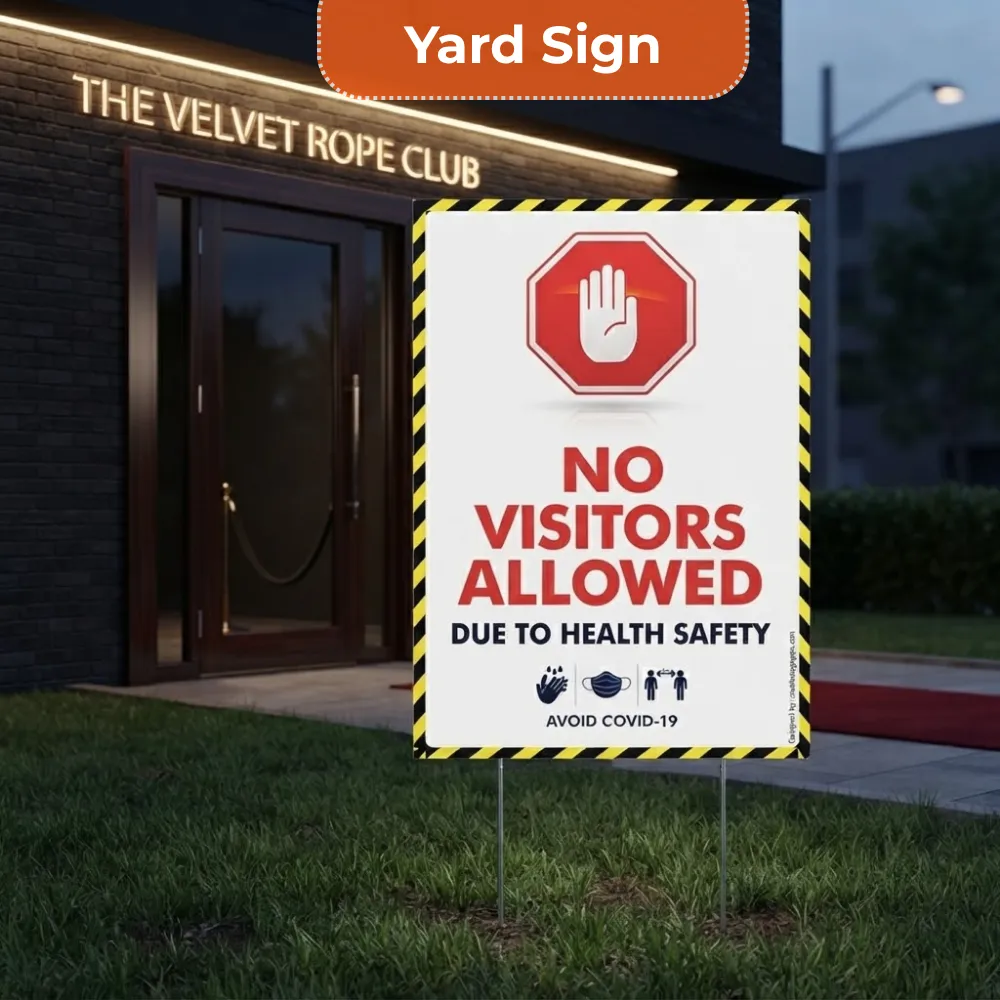
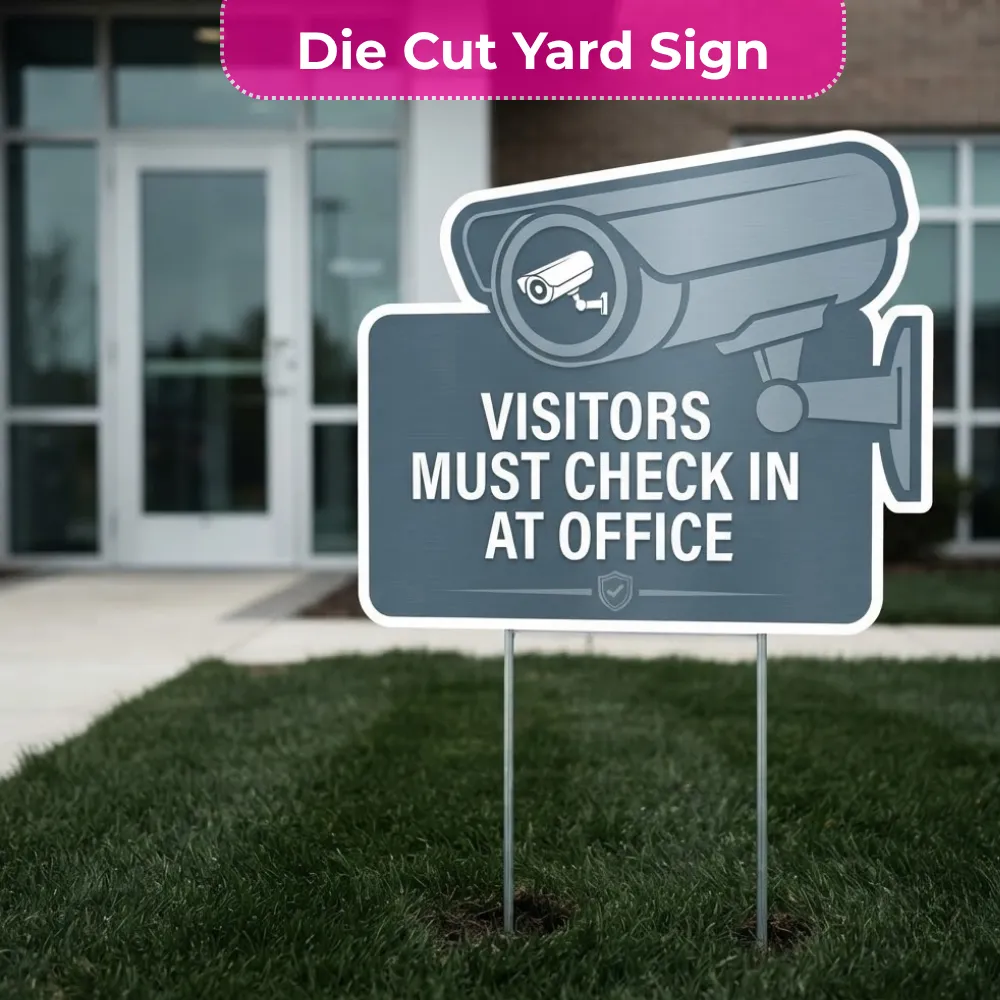
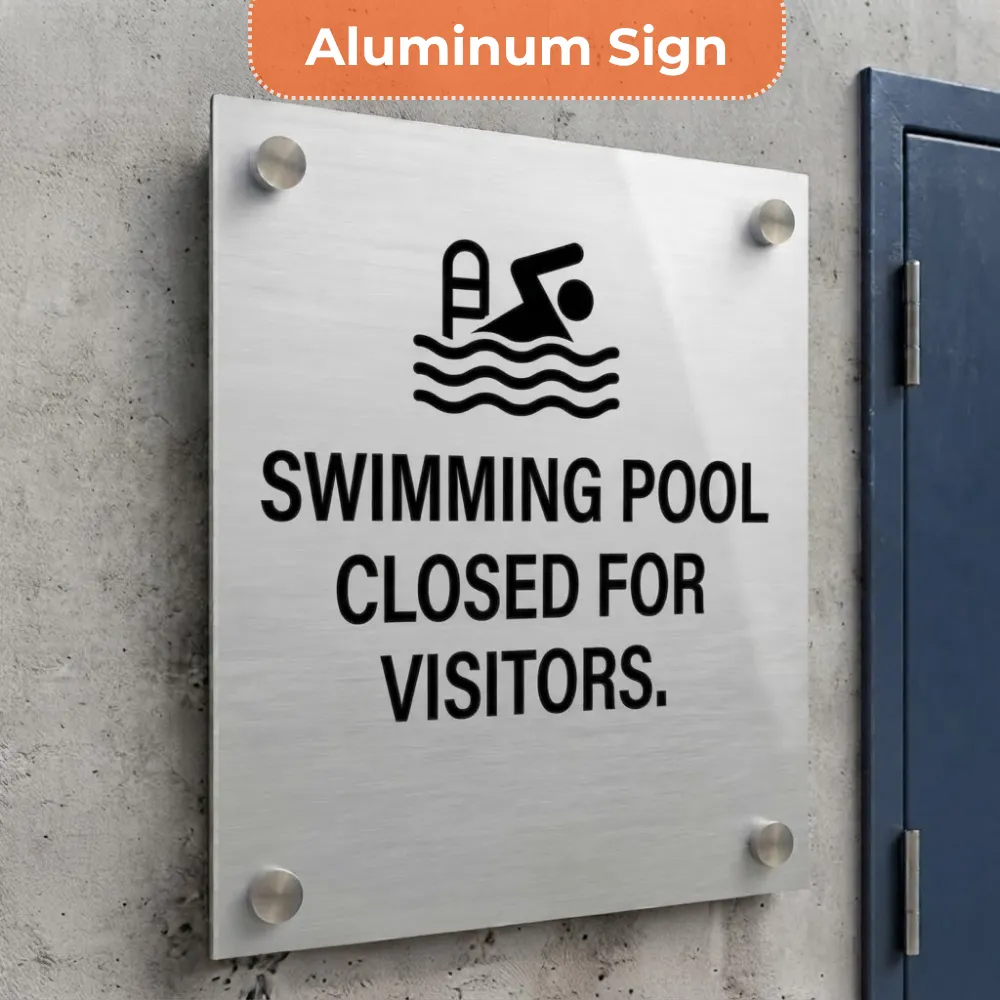
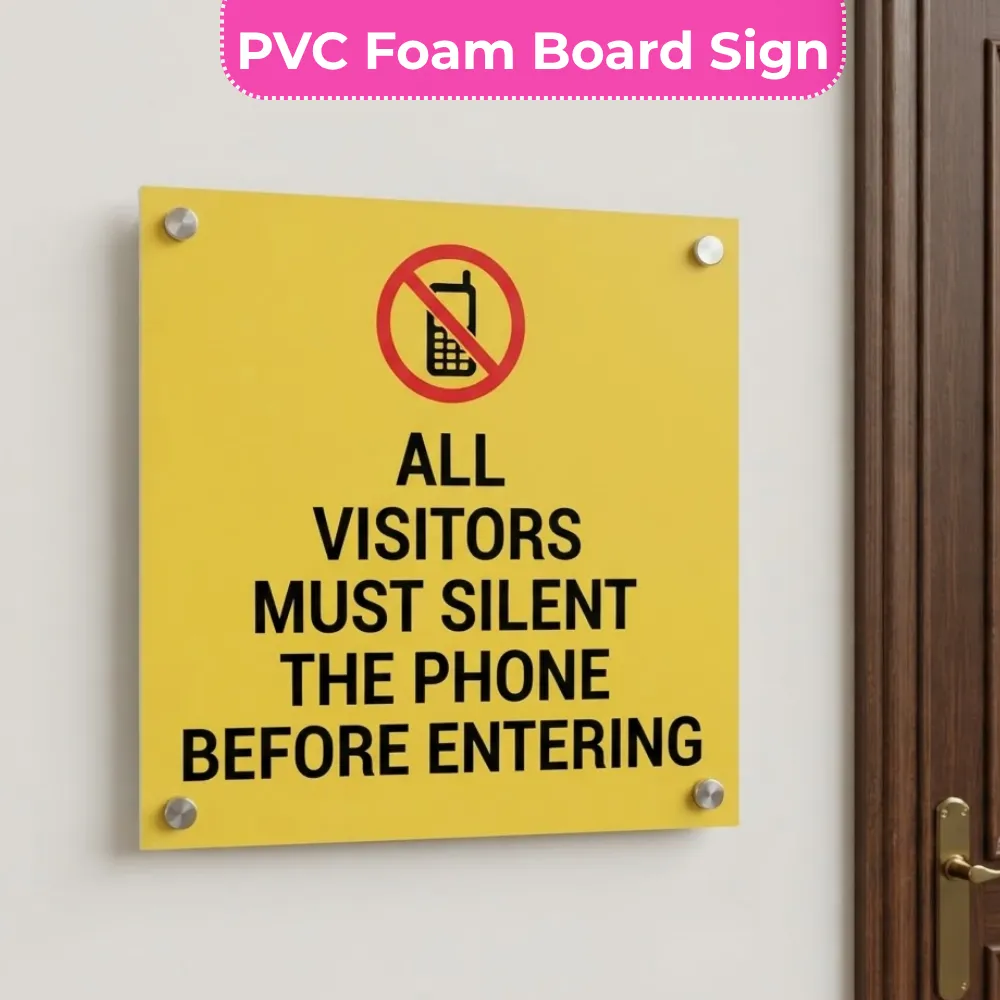
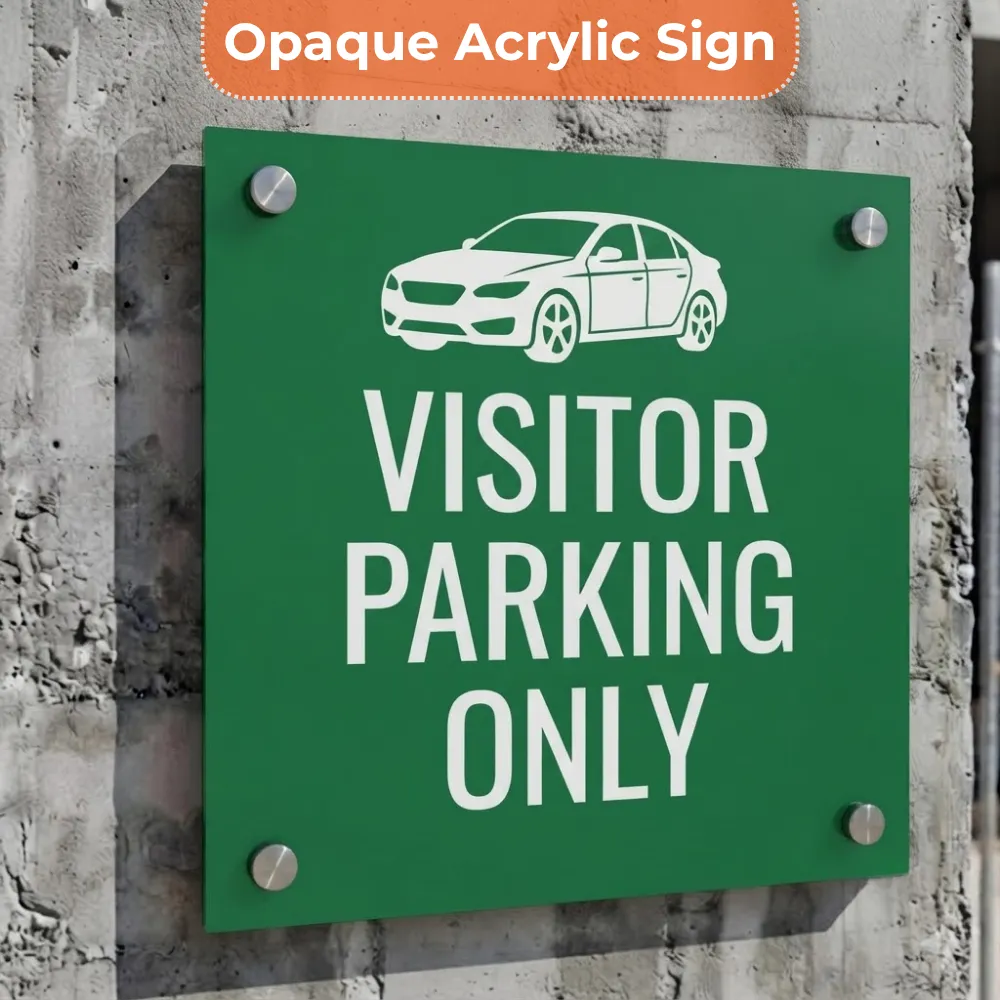
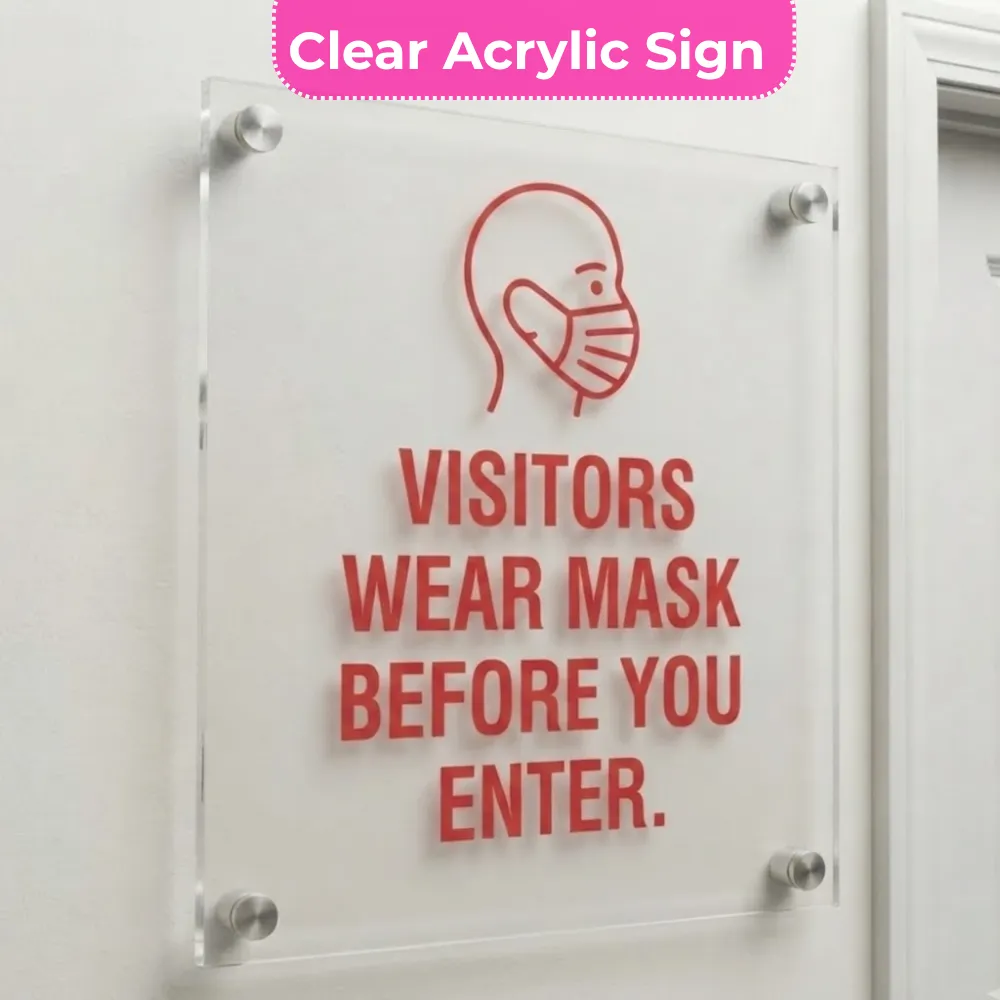
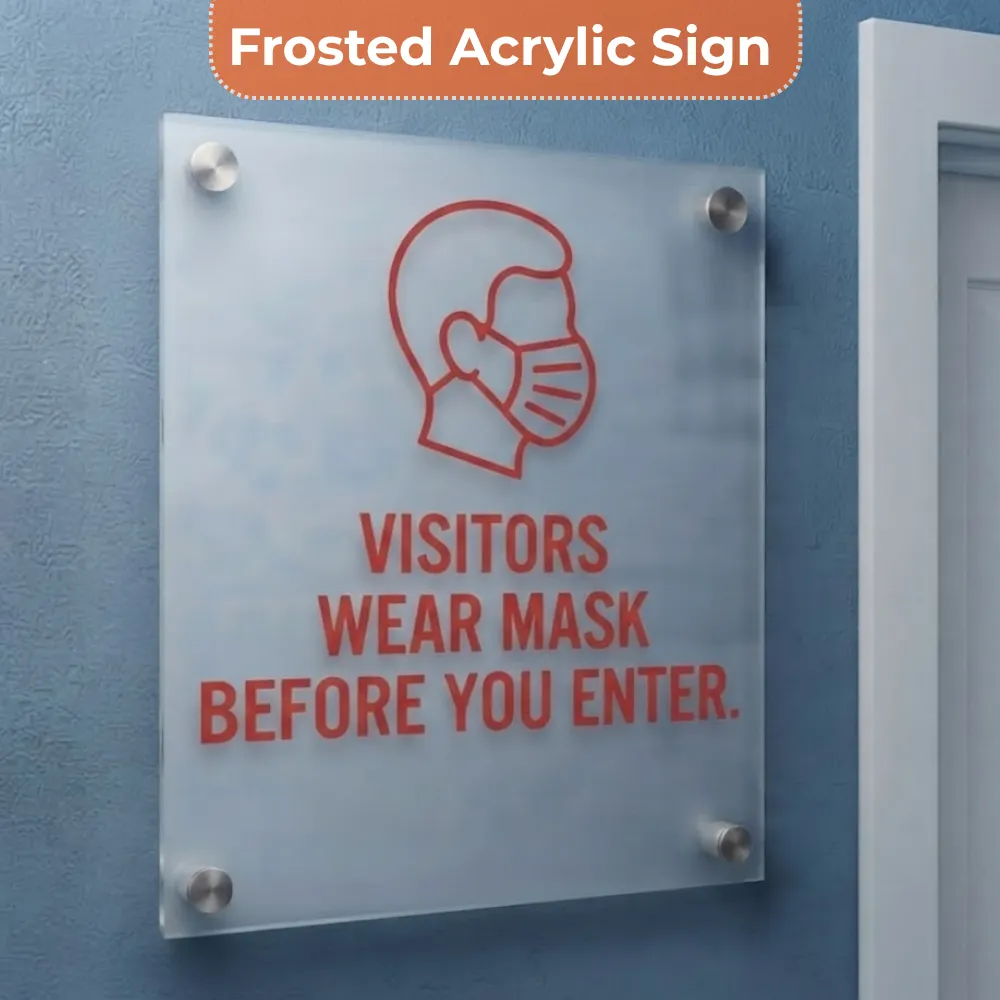
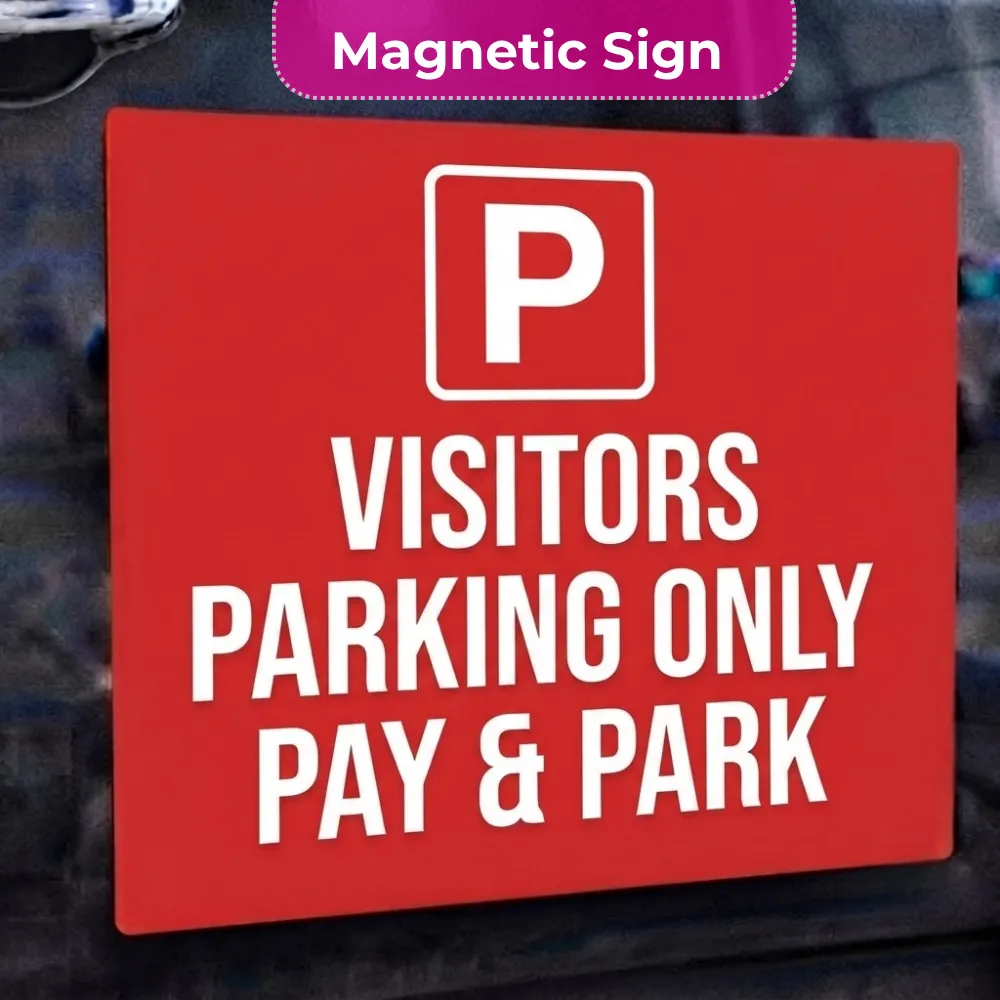
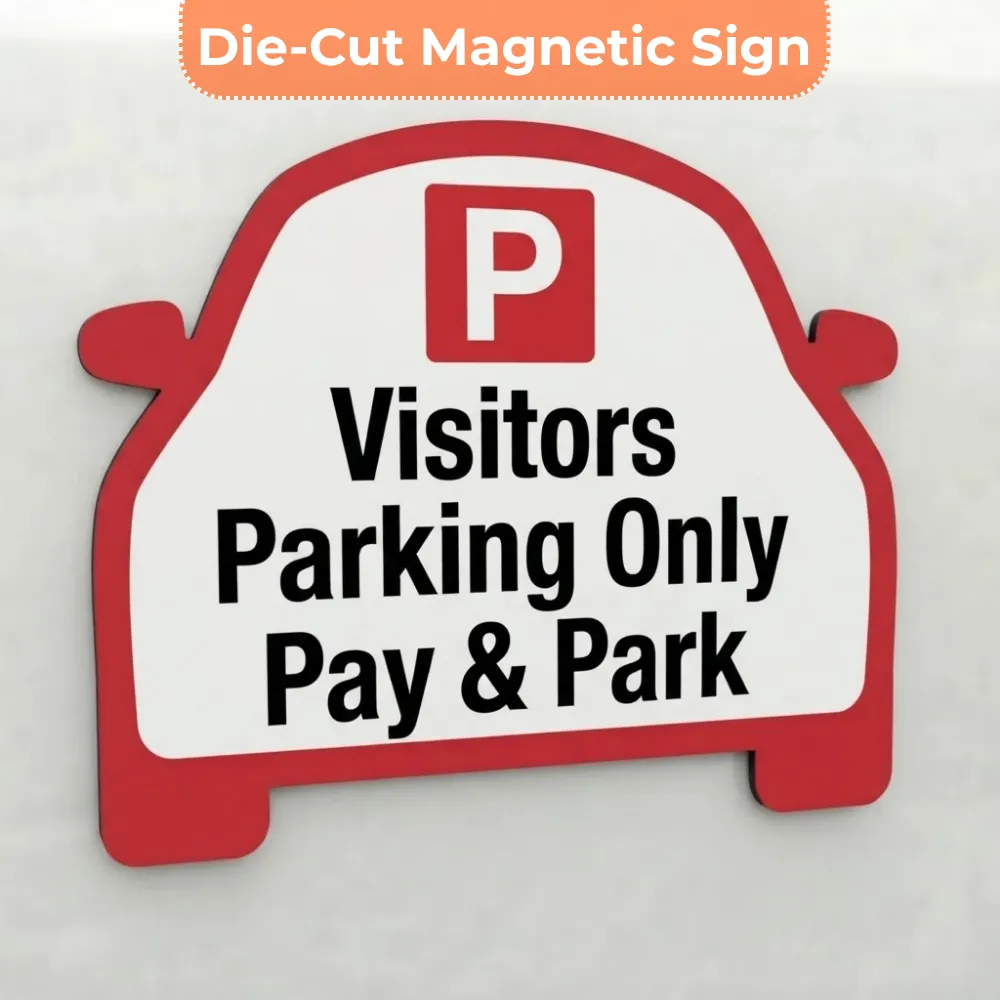
Common sign materials include Corrugated/Coroplast plastic, PVC Foam Board, Aluminum, Acrylic and Magnetic
Visitor safety signs are safety, warning, information, and access-control signs designed to help visitors, guests, contractors, customers, and other non-routine site users understand workplace hazards, safety requirements, access restrictions, emergency procedures, and permitted routes.
Unlike employees who may receive regular workplace training, visitors are often unfamiliar with the site’s hazards, traffic routes, equipment, emergency exits, restricted areas, and safety procedures. Clear visitor safety signage provides important information before they enter or move through the site.
Visitor safety signs are widely used at construction sites, factories, warehouses, industrial facilities, offices, hospitals, schools, commercial buildings, manufacturing plants, and other workplaces or public facilities.
Visitors may not know where they are allowed to go or which hazards are present. Effective visitor safety signs provide immediate visual communication that helps them understand what to do and where to go.
They can help visitors:
Visitor safety signs should support—not replace—visitor inductions, supervision, physical barriers, access controls, emergency procedures, and other site-specific safety measures.
Visitor signage can vary according to the site, hazards, and visitor-management process. Common types include:
Visitor safety signage is commonly found at:
Q: What are visitor safety signs?
A: Visitor safety signs are safety, warning, information, and access-control signs that help visitors understand workplace hazards, site rules, PPE requirements, restricted areas, and emergency procedures.
Q: Why are visitor safety signs important?
A: They help unfamiliar visitors recognize hazards, follow site rules, use designated routes, wear required PPE, and locate emergency facilities.
Q: Where are visitor safety signs used?
A: They are commonly used at construction sites, factories, warehouses, offices, hospitals, schools, industrial facilities, manufacturing plants, and commercial buildings.
Q: What are the main types of visitor safety signs?
A: Common types include visitor sign-in, visitor entrance, PPE, authorized personnel only, no entry, pedestrian safety, vehicle warning, emergency exit, fire safety, first aid, assembly point, and visitor parking signs.
Q: What should a visitor safety sign say?
A: The message should be short, clear, and action-oriented, such as “Report to Reception,” “Visitors Must Sign In,” “Safety Helmet Required,” or “Authorized Personnel Only.”
Q: What PPE signs are commonly used for visitors?
A: Common visitor PPE signs include Safety Helmet Required, Safety Vest Required, Safety Shoes Required, Eye Protection Required, Hearing Protection Required, and Protective Clothing Required, depending on site hazards.
Q: Where should visitor safety signs be placed?
A: They should be placed before visitors reach entrances, hazards, restricted areas, route changes, PPE checkpoints, or other locations where safety information is needed.
Q: Can visitor safety signs be customized?
A: Yes. Signs can be customized with site-specific visitor instructions, hazards, PPE requirements, access restrictions, directions, symbols, and emergency information, subject to applicable requirements.
Q: How do visitor safety signs improve workplace safety?
A: They provide immediate visual guidance that helps visitors recognize hazards, follow safe routes, comply with site rules, and avoid restricted areas.
Q: Are visitor safety signs required by law?
A: Requirements vary by country, industry, workplace type, hazard, and local regulations. Specific signs may be required where safety information, emergency routes, PPE, or access restrictions must be communicated.
Q: Should visitor signs include safety symbols?
A: Yes. Recognizable safety symbols and pictograms can improve understanding, particularly for multilingual visitors or people unfamiliar with technical safety terminology.
Q: Should visitor safety signs be multilingual?
A: Where a site receives visitors who speak different languages, multilingual wording combined with recognizable symbols can improve communication and reduce misunderstandings.
Q: What are visitor sign-in signs?
A: Visitor sign-in signs direct guests to reception, security, or a designated registration point so the site can manage visitor access according to its procedures.
Q: What are visitor access signs?
A: Visitor access signs identify where visitors are permitted to enter, walk, park, or wait, helping separate visitor movement from restricted or hazardous work areas.
Q: Can visitor safety signs be used at construction sites?
A: Yes. They are useful for identifying construction entrances, PPE requirements, pedestrian routes, vehicle areas, restricted zones, crane operations, excavations, and emergency facilities.
Q: What materials are used for visitor safety signs?
A: Common materials include Corrugated/Coroplast plastic, PVC Foam Board, Aluminum, Acrylic and Magnetic selected according to indoor or outdoor conditions.
Q: Should visitor safety signs be reflective?
A: Reflective materials can improve nighttime and low-light visibility, especially at outdoor entrances, parking areas, construction sites, and vehicle-access locations.
Q: How should visitor safety signs be maintained?
A: Inspect them regularly for fading, damage, dirt, obstruction, poor visibility, loose mounting, outdated instructions, and changes to site layout or safety requirements.
Q: When should visitor safety signs be replaced?
A: Replace signs when they become damaged, faded, illegible, obstructed, unstable, outdated, or inaccurate.
Q: How do you choose the right visitor safety sign?
A: Choose the sign based on the visitor activity, site hazards, PPE requirements, access restrictions, pedestrian routes, emergency procedures, viewing distance, lighting, environment, and applicable safety requirements.

No products in the cart.