HALLOWEEN SUPER SALE 30% OFF USE CODE: SPOOKY
| ShippingMethod | Fixed Price(Unlimited QTY) |
|---|---|
| Priority* | $30 |
| Express* | $20 |
Size (W X H)
Size (W X H)

Kindly share the artwork via email at design@printwithebannersigns.com
Hazard and danger signs are visual safety communication tools used to identify potential risks, warn people about serious hazards, restrict access, and communicate precautions in workplaces, construction sites, industrial facilities, public areas, and other environments. Effective signs help people recognize a dangerous condition quickly and take appropriate action before exposure to the hazard.
The primary feature of a hazard or danger sign is clear communication. The message should be concise, direct, and easy to understand so that people can recognize the potential risk without unnecessary reading.
Safety colors help people identify the nature or level of information being communicated. Danger, warning, prohibition, and other safety messages may use different standardized color systems depending on the applicable safety standard and location.
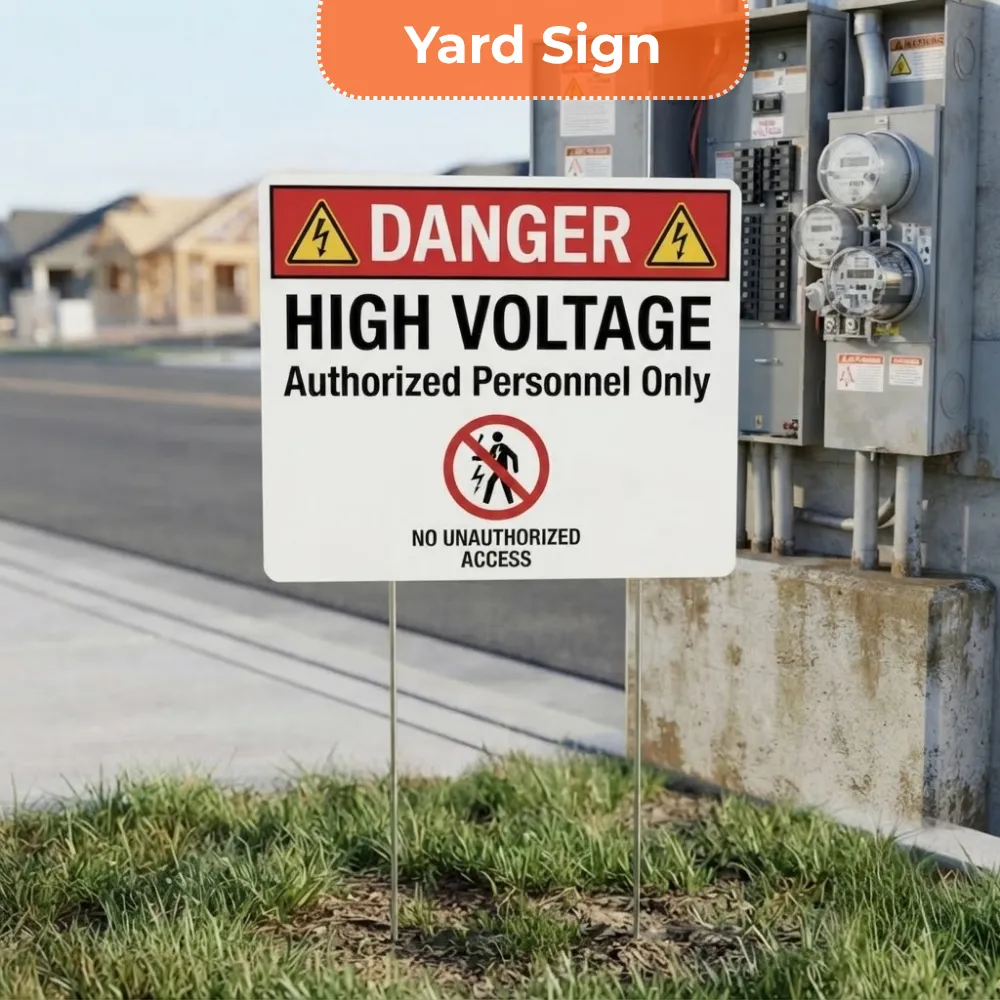
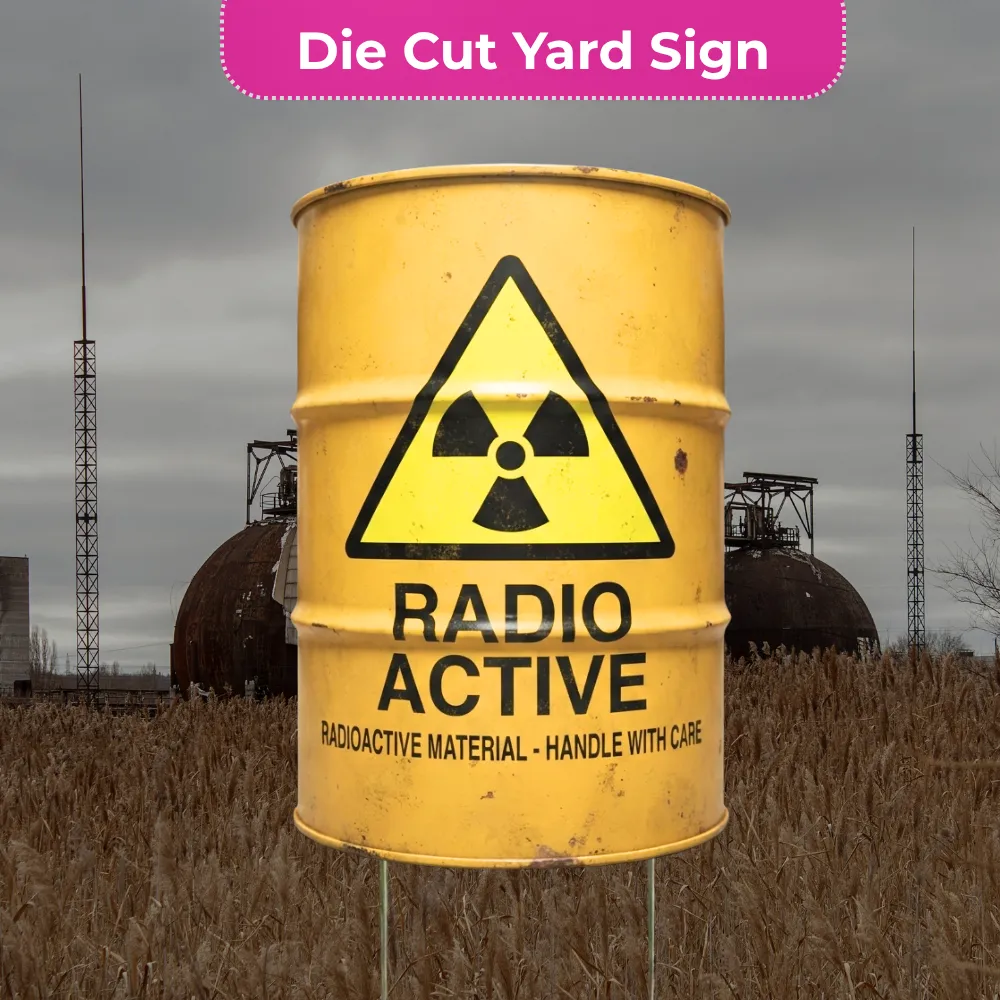
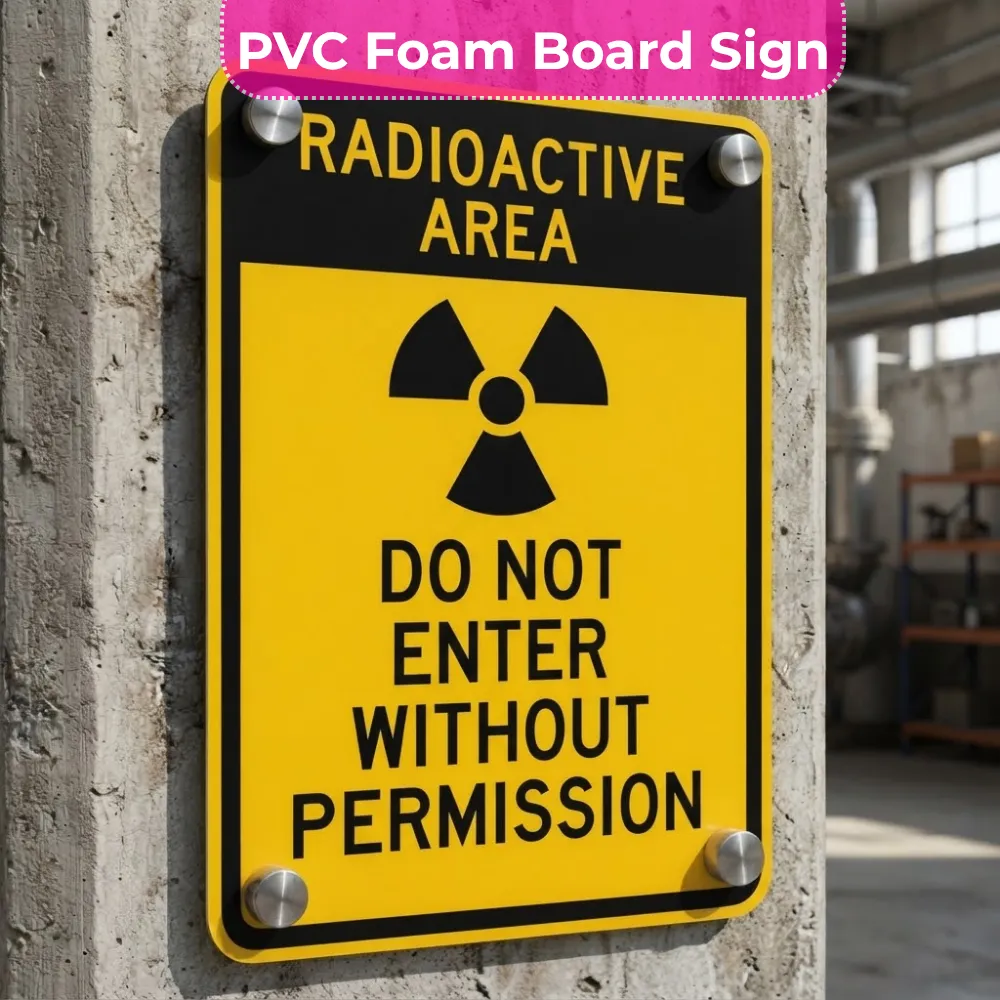
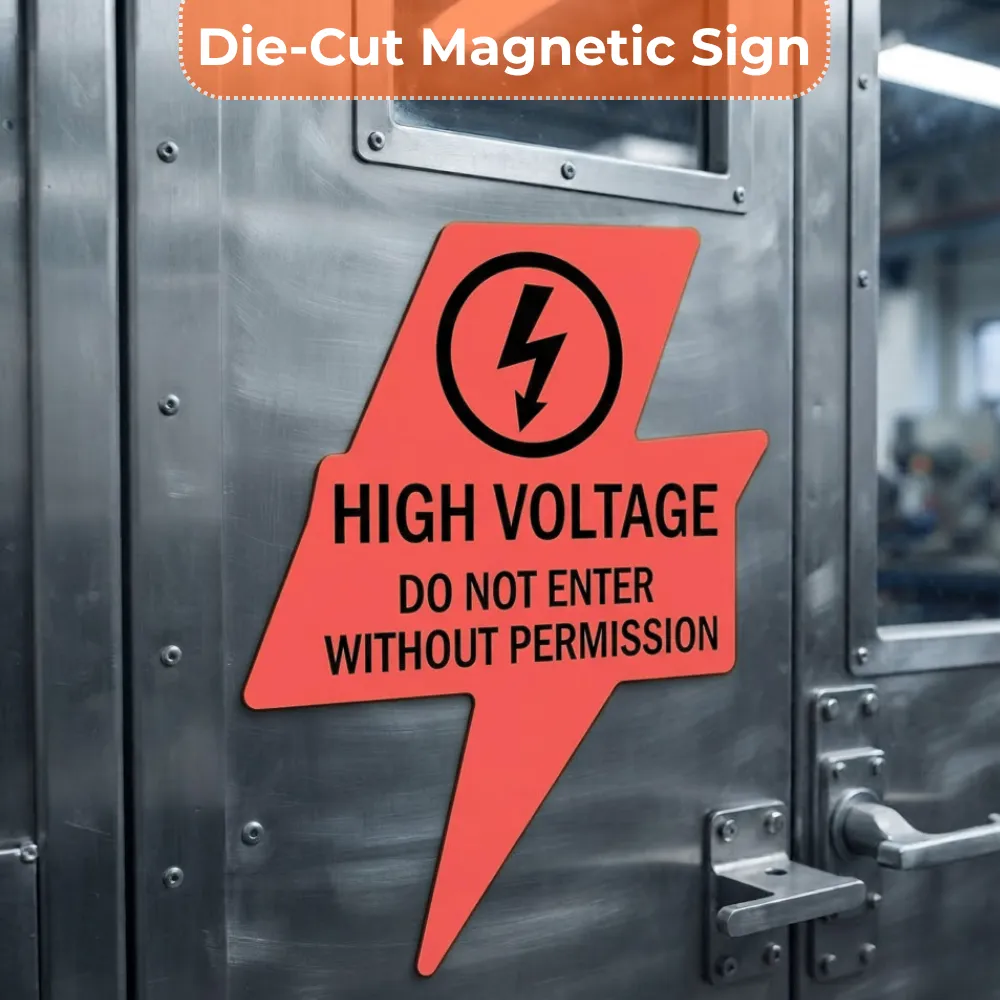
Standardized symbols and pictograms can communicate hazards quickly, particularly where people speak different languages. Common hazard symbols may identify risks such as electricity, flammable materials, toxic substances, radiation, moving machinery, chemicals, or biological hazards.
Hazard and danger signs should stand out clearly from their surroundings. High contrast, appropriate colors, bold graphics, suitable typography, and strategic positioning help people notice safety information before reaching the hazardous area.
Signs should be appropriately sized for the viewing distance and environment. Text, symbols, and other visual elements must remain clear and readable under expected conditions.
An effective sign should communicate the specific hazard or dangerous condition whenever practical. Examples include:
Specific information helps people understand what risk they may encounter.
The location of a hazard sign is critical. It should be positioned where people can see and understand the warning before entering the hazardous area or reaching the point of exposure.
Signs should not be hidden by machinery, vehicles, doors, vegetation, equipment, or other visual obstructions.
Where hazards may be encountered during nighttime or low-light conditions, retroreflective materials, illumination, or other suitable visibility features can help signs remain noticeable. The appropriate solution depends on the location and applicable requirements.
Outdoor and industrial hazard signs may be exposed to sunlight, rain, moisture, dust, chemicals, temperature changes, and physical wear. Materials should therefore be selected according to the environment and expected service conditions.
Using consistent symbols, terminology, colors, and sign formats throughout a facility helps people recognize and interpret hazard information more quickly. Consistency is particularly valuable in large workplaces and complex industrial environments.
Hazard and danger signs should be securely mounted, correctly oriented, and stable under expected environmental conditions. The mounting method should also avoid creating additional hazards.
Signs should be routinely checked for fading, damage, dirt, corrosion, obstruction, poor visibility, loose mounting, or outdated information. Damaged or unclear signs should be repaired, cleaned, repositioned, or replaced as appropriate.
Hazard and danger signs should be selected and installed according to the applicable workplace safety regulations, national or international standards, industry requirements, and site-specific risk assessments.
Requirements for colors, symbols, wording, dimensions, placement, and materials can vary depending on the jurisdiction and application.
Hazard and danger signs are safety communication tools used to identify hazardous conditions, warn people about serious risks, communicate necessary precautions, and restrict access to dangerous areas. They are commonly used in construction sites, factories, warehouses, laboratories, workplaces, industrial facilities, roads, and public areas.
The primary purpose of these signs is to communicate important safety information before a person encounters or is exposed to the hazard.
Hazard and danger signs provide immediate visual information about risks that may cause injury, property damage, or other harmful consequences. Properly selected and positioned signs can help:
Safety signs should be used as part of a broader risk-control approach and should not replace physical safeguards or other controls where those measures are necessary.
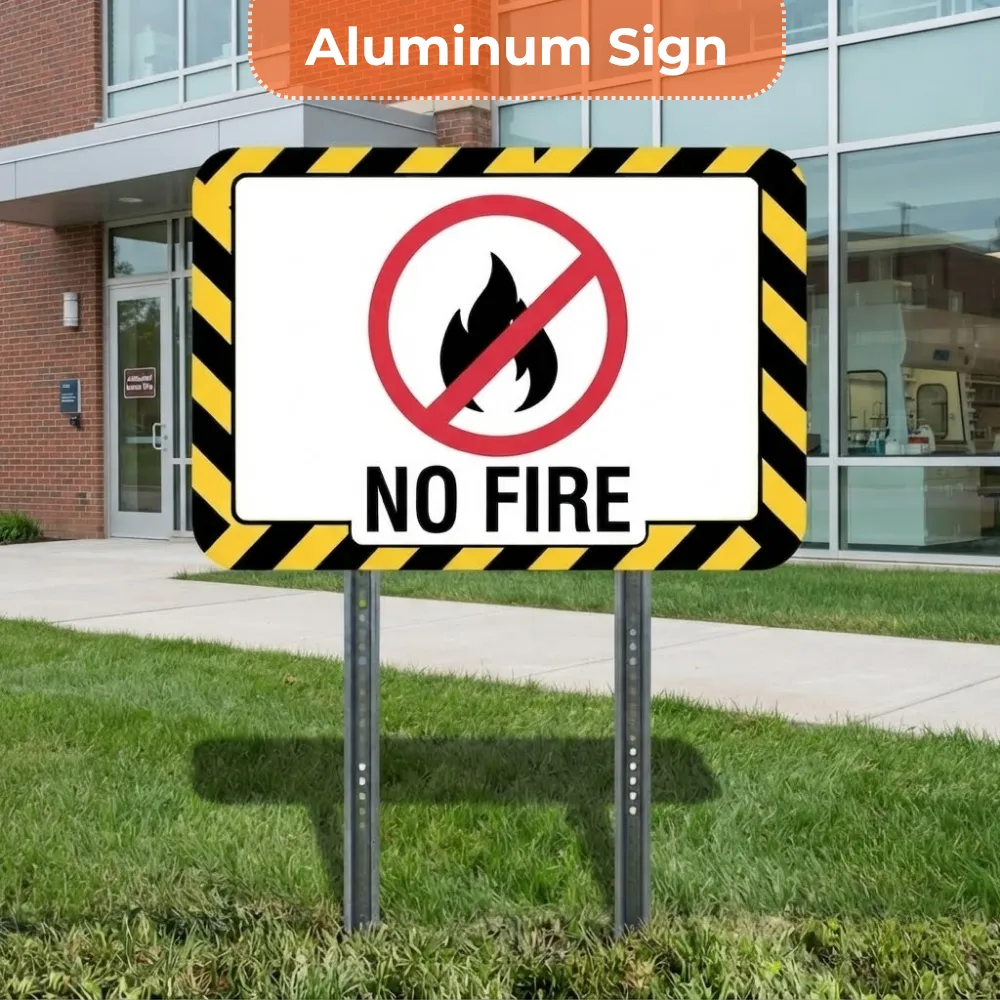
The specific signs used depend on the hazard and applicable safety requirements. Common examples include:
These signs provide early visual communication about risks, allowing people to recognize hazardous conditions and take appropriate precautions before entering or interacting with the affected area.
For example, an electrical hazard sign can alert workers to a potentially energized area, while a restricted-access sign can prevent unauthorized people from entering a dangerous work zone.
However, signs are only one part of hazard control. Depending on the risk, effective safety management may also require engineering controls, guards, barriers, ventilation, safe work procedures, training, emergency controls, and personal protective equipment (PPE).
Q: What are hazard and danger signs?
A: Hazard and danger signs are safety signs that identify hazardous conditions, warn people about serious risks, and communicate precautions or access restrictions.
Q: Why are hazard and danger signs important?
A: They provide immediate visual warnings that help workers, visitors, and the public recognize risks and take appropriate precautions.
Q: What is the purpose of a danger sign?
A: A danger sign communicates a serious or potentially immediate hazard that requires people to take appropriate precautions or avoid the area.
Q: What is the difference between hazard and danger signs?
A: A hazard sign identifies or communicates a potential source of harm, while a danger sign generally communicates a serious or immediate risk. Exact classifications vary by applicable safety standards.
Q: What are common types of hazard signs?
A: Common examples include electrical, flammable, chemical, toxic, corrosive, biohazard, radiation, moving machinery, falling object, and slippery surface signs.
Q: What are the key features of effective danger signs?
A: Effective danger signs should have clear messaging, high visibility, recognizable symbols, strong contrast, appropriate size, legibility, durable materials, and correct placement.
Q: Where are hazard and danger signs used?
A: They are commonly used in construction sites, factories, warehouses, laboratories, electrical areas, industrial facilities, chemical plants, roads, and restricted-access areas.
Q: What colors are used for hazard and danger signs?
A: Colors depend on the type of hazard and applicable safety standard. Standardized color and symbol systems help people recognize different safety messages quickly.
Q: Should hazard signs use symbols?
A: Yes. Recognizable hazard symbols and pictograms can communicate risks quickly and help reduce language barriers.
Q: Where should danger signs be placed?
A: Danger signs should be positioned where people can see and understand the warning before entering or reaching the hazardous area.
Q: Should hazard signs be visible at night?
A: Where hazards exist in low-light conditions, reflective materials or suitable illumination can improve sign visibility, subject to the applicable requirements.
Q: What materials are used for hazard and danger signs?
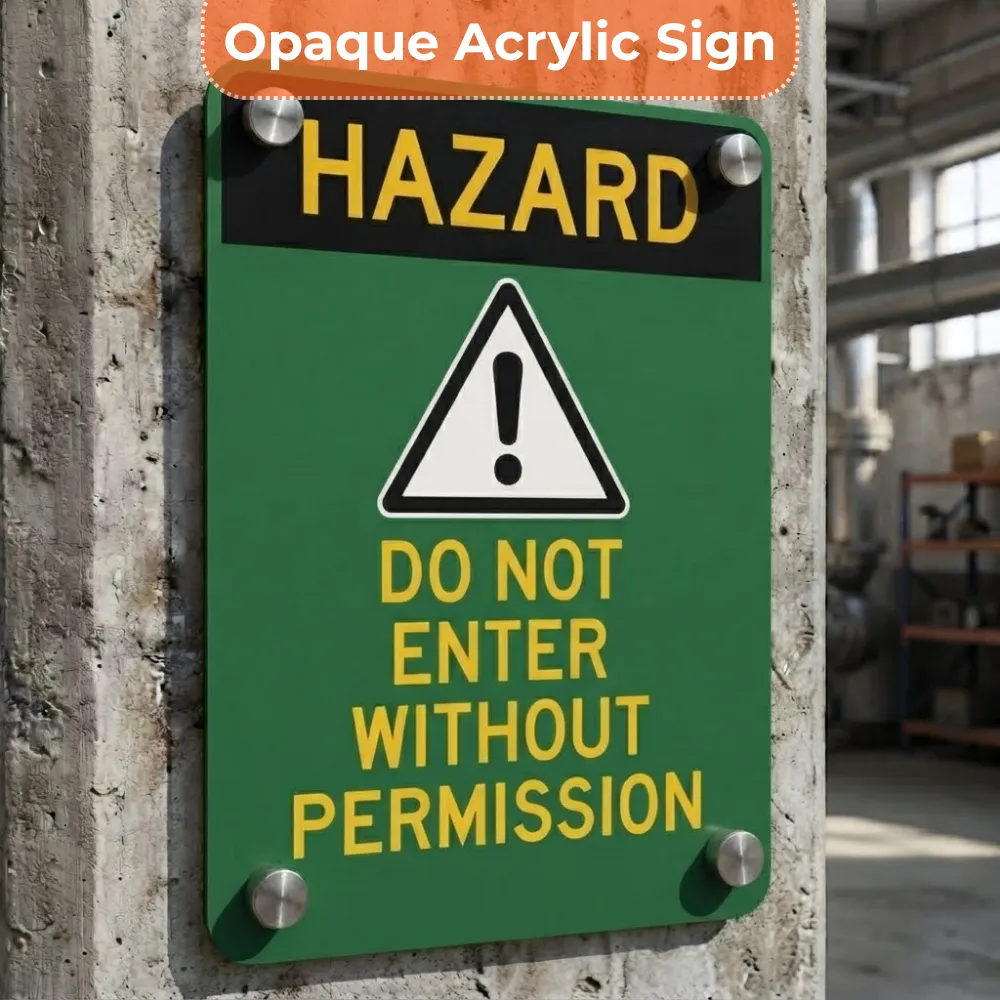
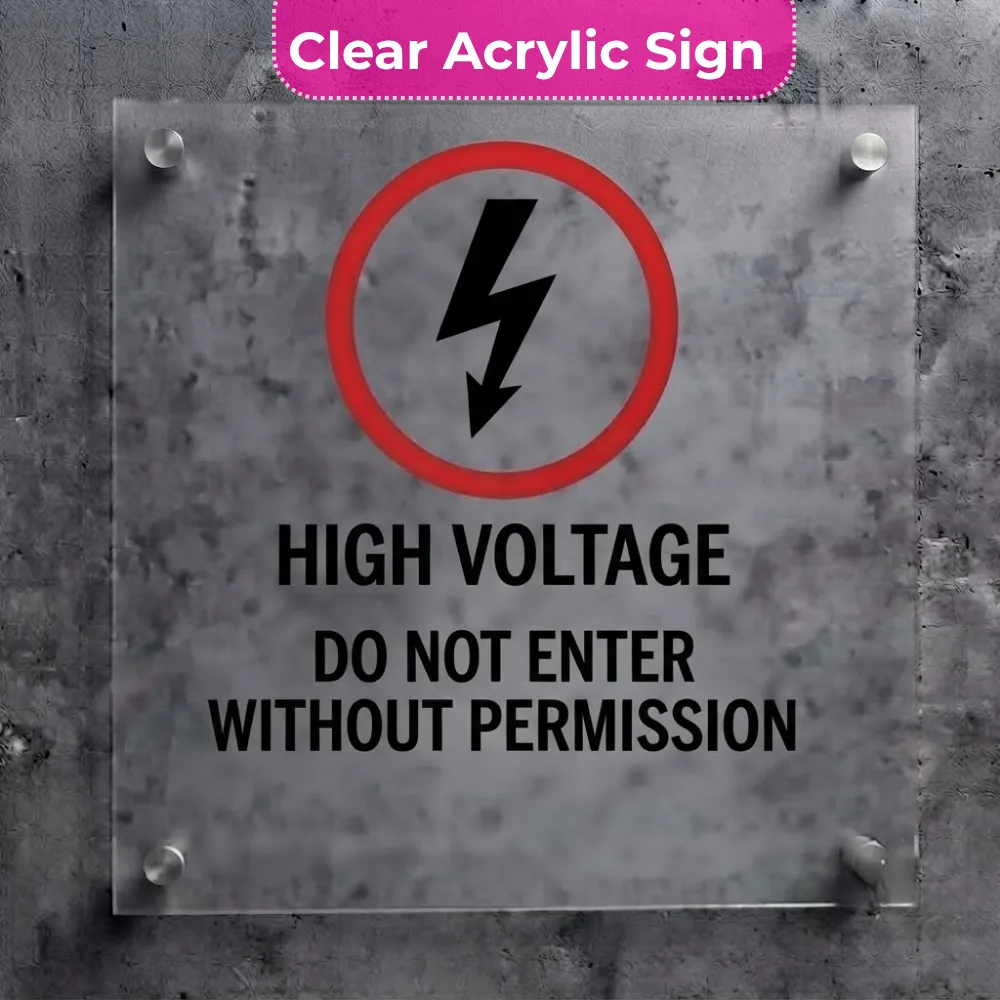
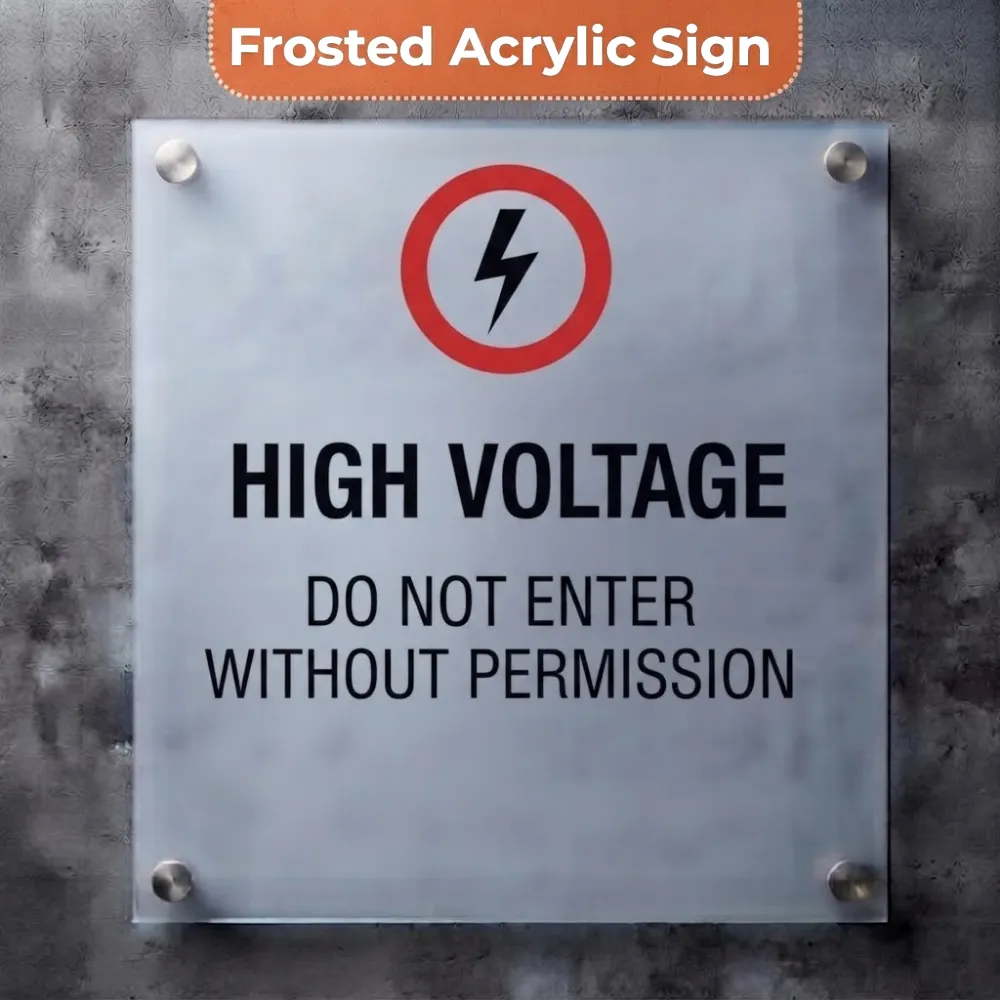
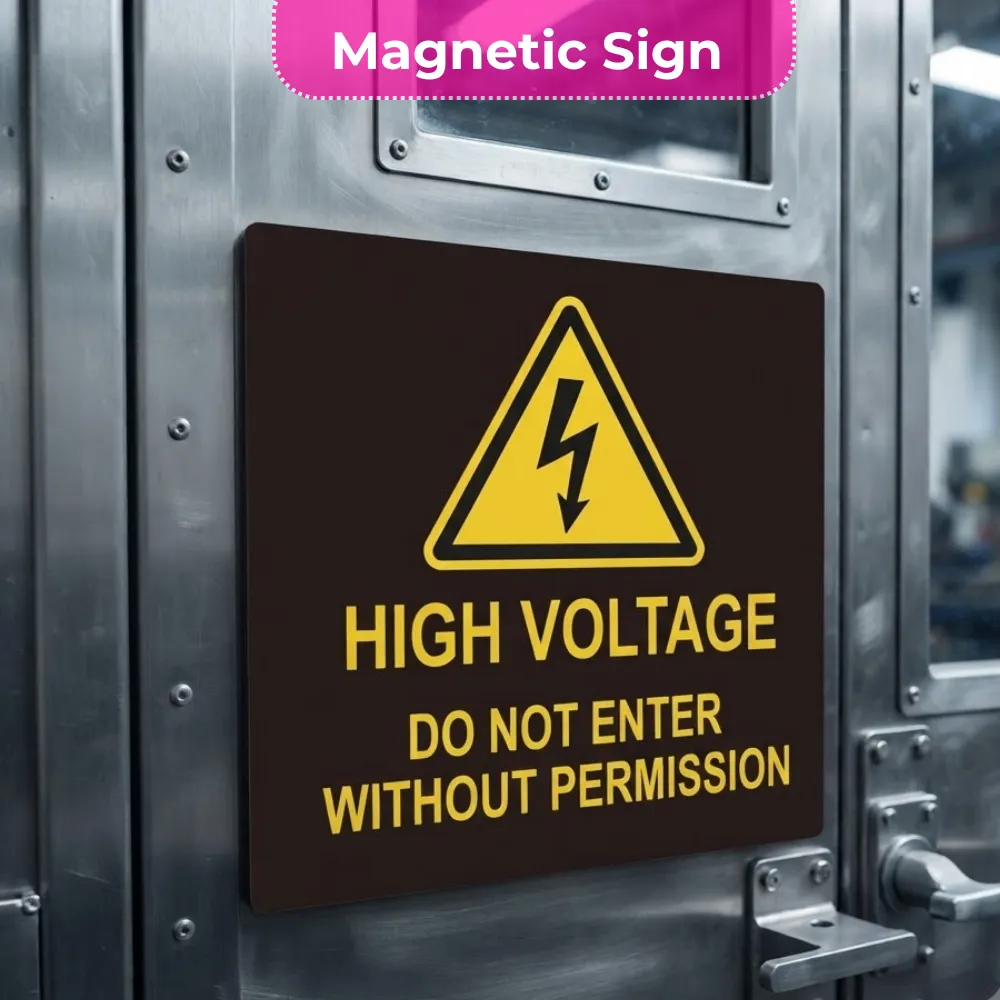
A: Common materials include Corrugated/Coroplast plastic, PVC Foam Board, Aluminum, Acrylic and Magnetic, selected according to the environment and application.
Q: How large should a danger sign be?
A: The appropriate size depends on the viewing distance, location, sign type, lighting, environmental conditions, and applicable standards. The message must remain legible.
Q: Are hazard and danger signs legally required?
A: Some signs may be required by workplace safety, fire-safety, chemical, electrical, construction, or other applicable regulations. Requirements vary by location and application.
Q: Can hazard signs prevent accidents?
A: They can improve hazard awareness and encourage safer behavior, but signs should complement physical safeguards, safe procedures, training, engineering controls, and PPE where required.
Q: Can danger signs replace physical barriers?
A: No. A sign communicates a hazard but does not physically prevent exposure. Barriers, guards, barricades, or access controls may be required for certain risks.
Q: How often should hazard signs be inspected?
A: Signs should be checked regularly and whenever workplace conditions or hazards change to ensure they remain visible, accurate, secure, and legible.
Q: When should a danger sign be replaced?
A: Replace a sign when it becomes faded, damaged, illegible, unstable, obstructed, or no longer accurately represents the hazard.
Q: What makes a hazard warning sign effective?
A: An effective hazard sign is clear, visible, recognizable, specific to the risk, appropriately positioned, durable, and compliant with applicable requirements.
Q: How do you choose the right hazard or danger sign?
A: Choose a sign based on the specific hazard, severity of the risk, location, viewing distance, lighting, environmental conditions, intended audience, and applicable safety standards.

Sign in or create an account to add this product to your cart.

No products in the cart.