Q: What are road construction signs?
A: Road construction signs are traffic-control and safety signs that warn road users about roadwork, work zones, temporary traffic changes, hazards, and restrictions.
Q: Why are road construction signs important?
A: They provide advance information that helps drivers, pedestrians, cyclists, and road workers understand changing road conditions and move more safely through work zones.
Q: What are the main types of road construction signs?
A: Common types include roadwork, lane closure, road closed, detour, reduced speed, one-way traffic, lane shift, merge, pedestrian detour, and workers-ahead signs.
Q: What is the purpose of road construction warning signs?
A: They alert road users to upcoming work zones, hazards, changes in road alignment, lane restrictions, and other temporary conditions.
Q: What colors are used for road construction signs?
A: Colors depend on the sign type and applicable traffic-control standard. Work-zone signage commonly uses high-contrast colors to improve recognition and visibility.
Q: Should road construction signs be reflective?
A: Yes, retroreflective materials or suitable illumination can improve visibility at night and in low-light conditions, where required by the application or applicable standards.
Q: Where should road construction signs be placed?
A: Signs should be positioned where road users have sufficient time and distance to see, understand, and respond to the information before reaching the affected area.
Q: How large should road construction signs be?
A: Sign size depends on traffic speed, viewing distance, road type, sign category, location, and applicable regulations. Text and symbols should remain clearly visible.
Q: What materials are used for road construction signs?
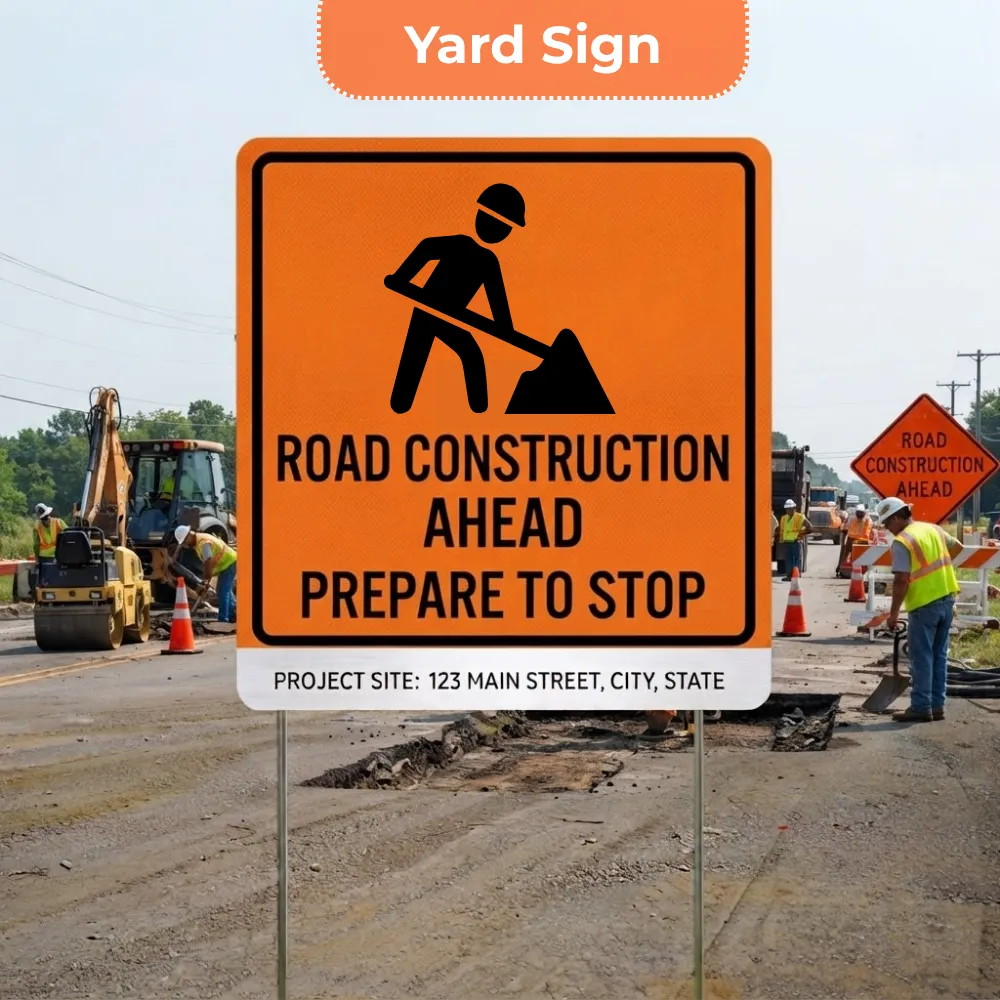
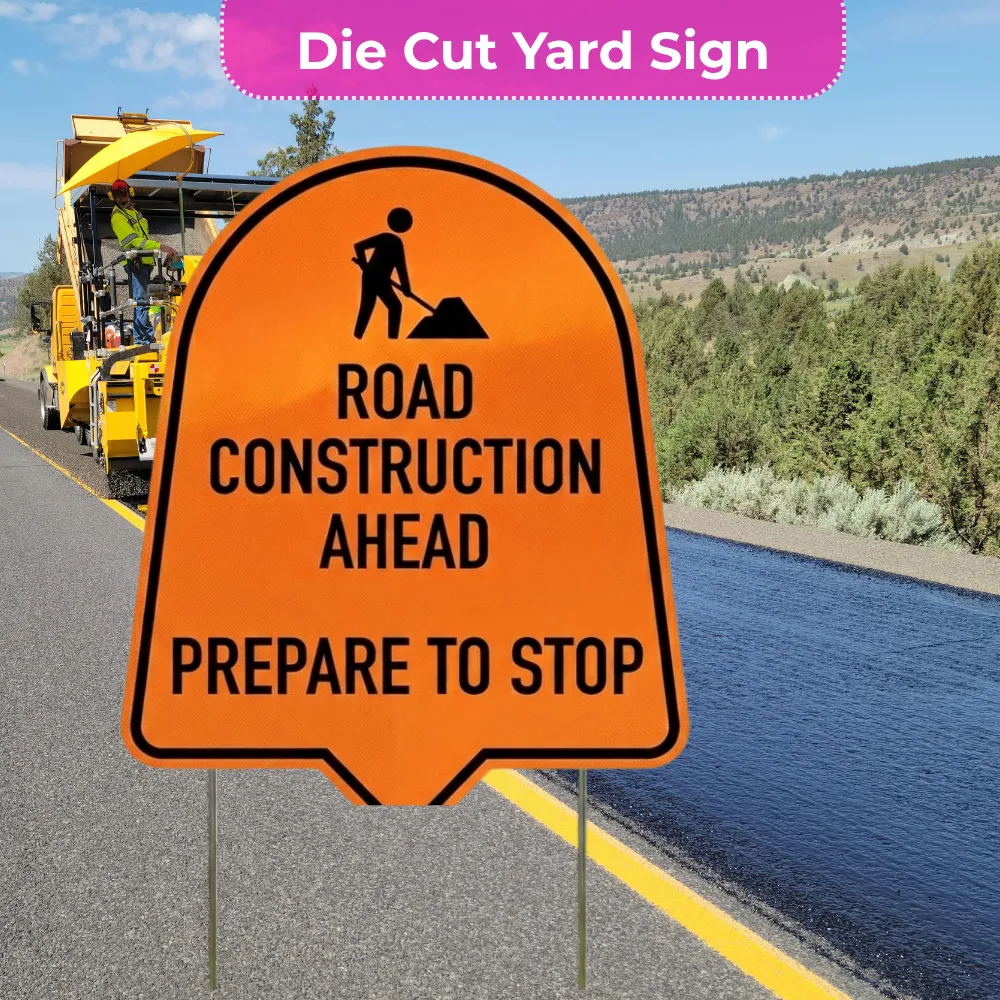
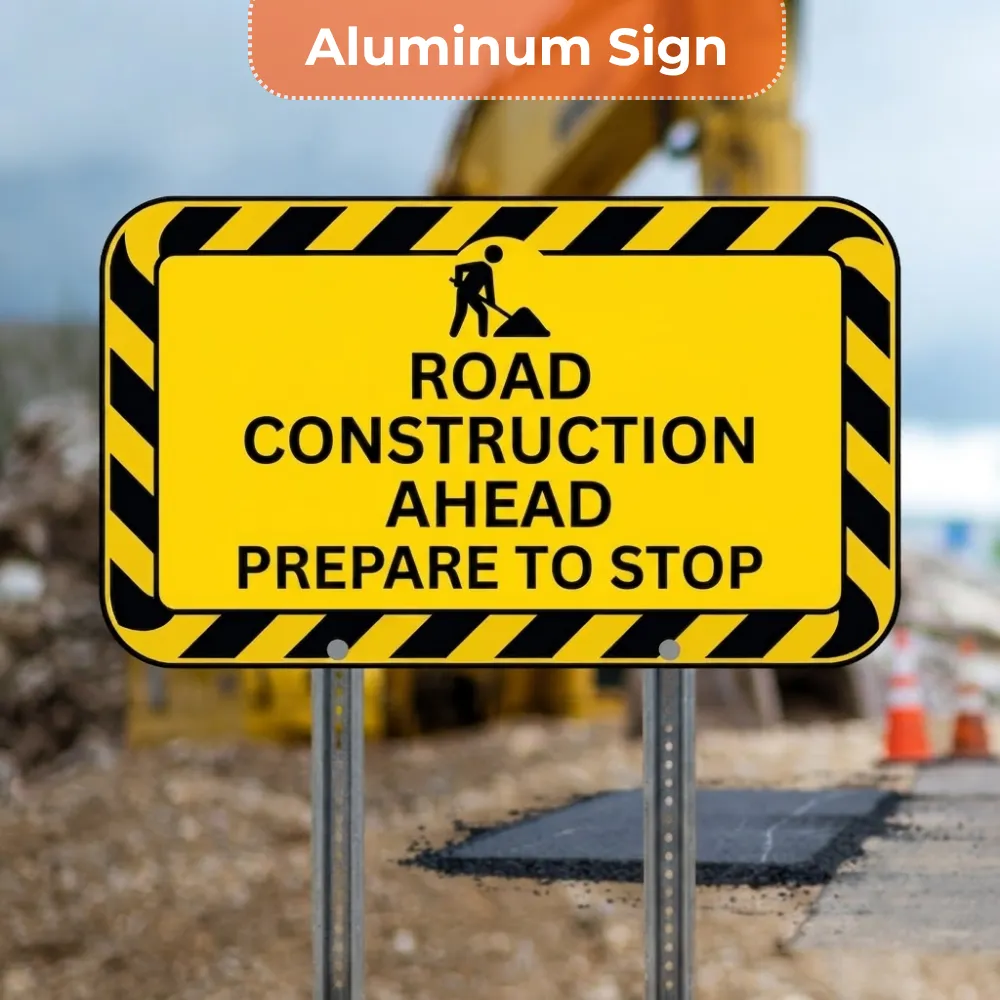
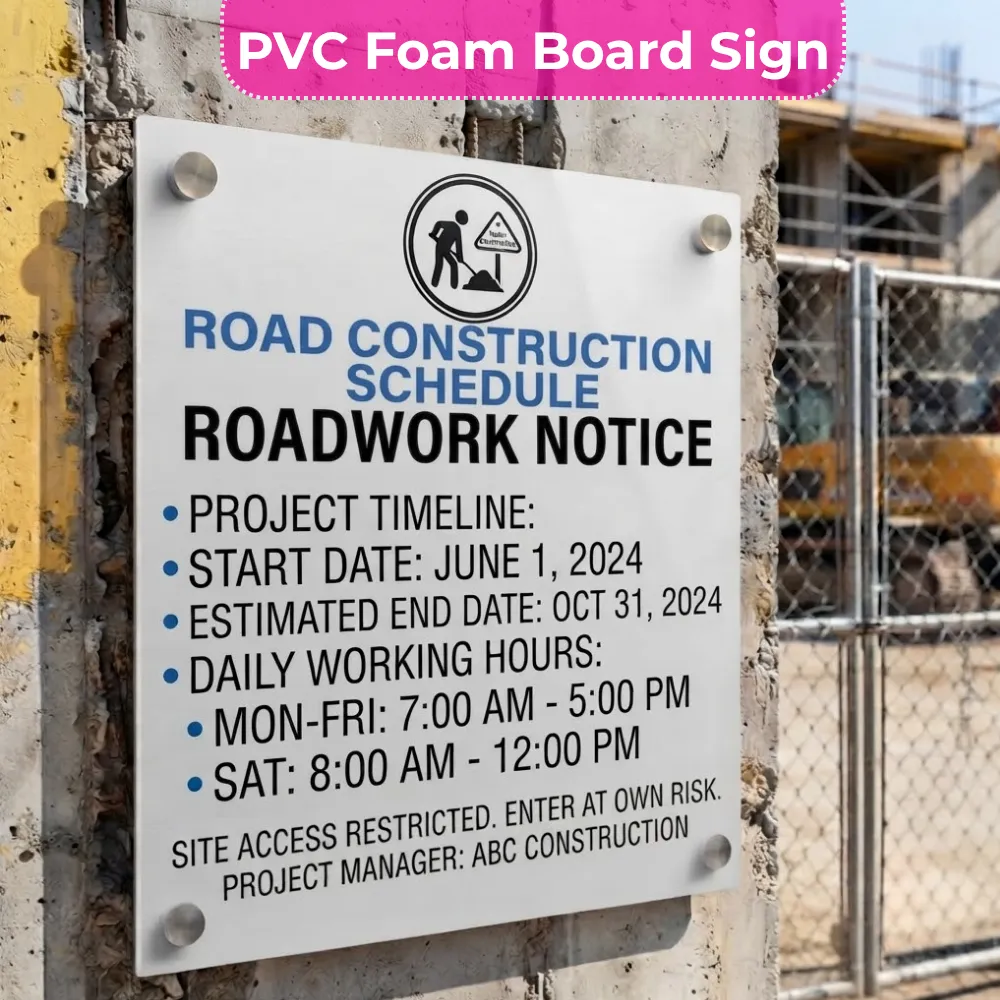
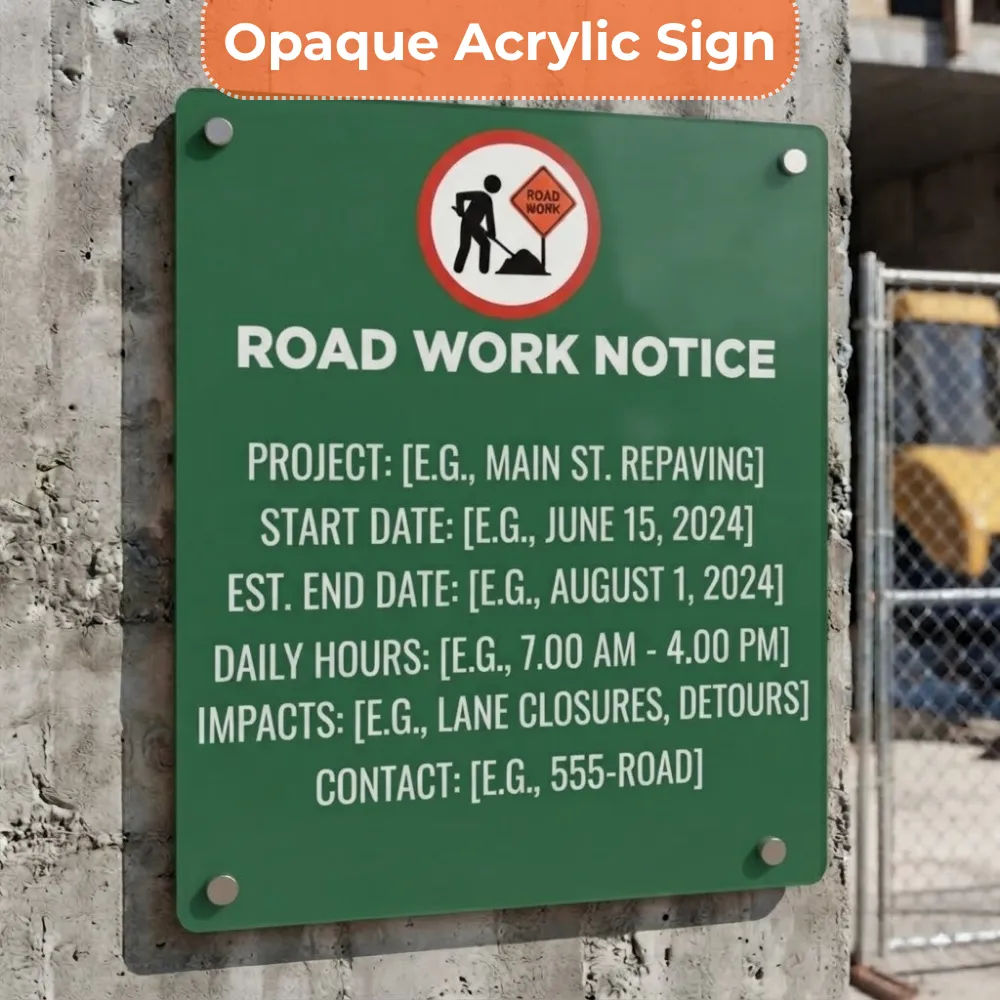
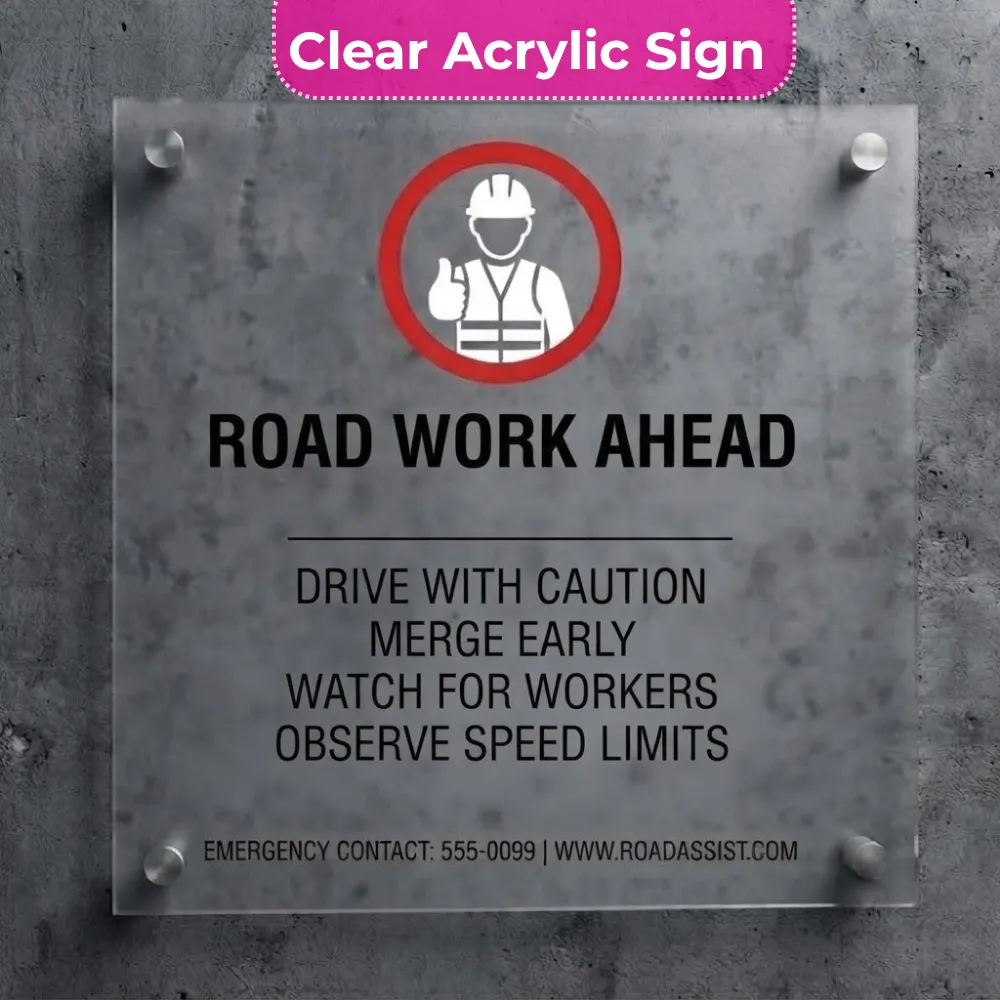
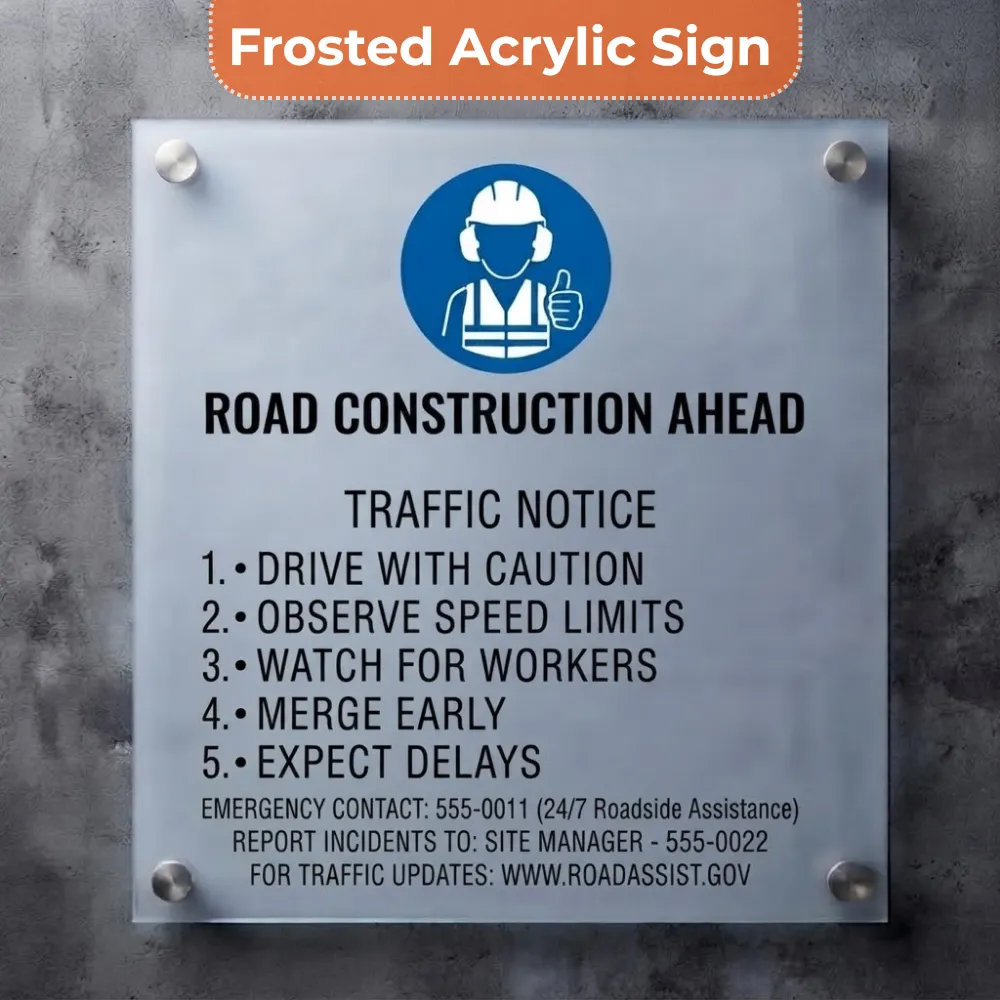
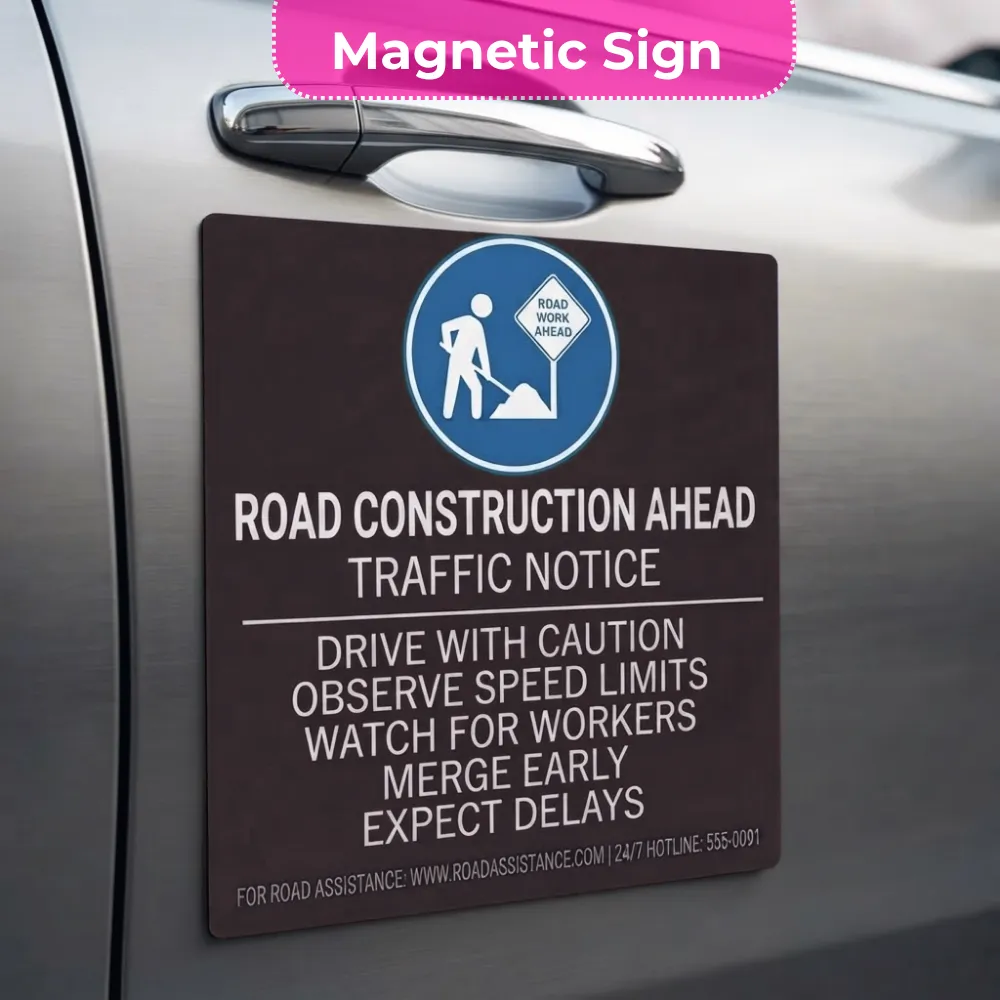
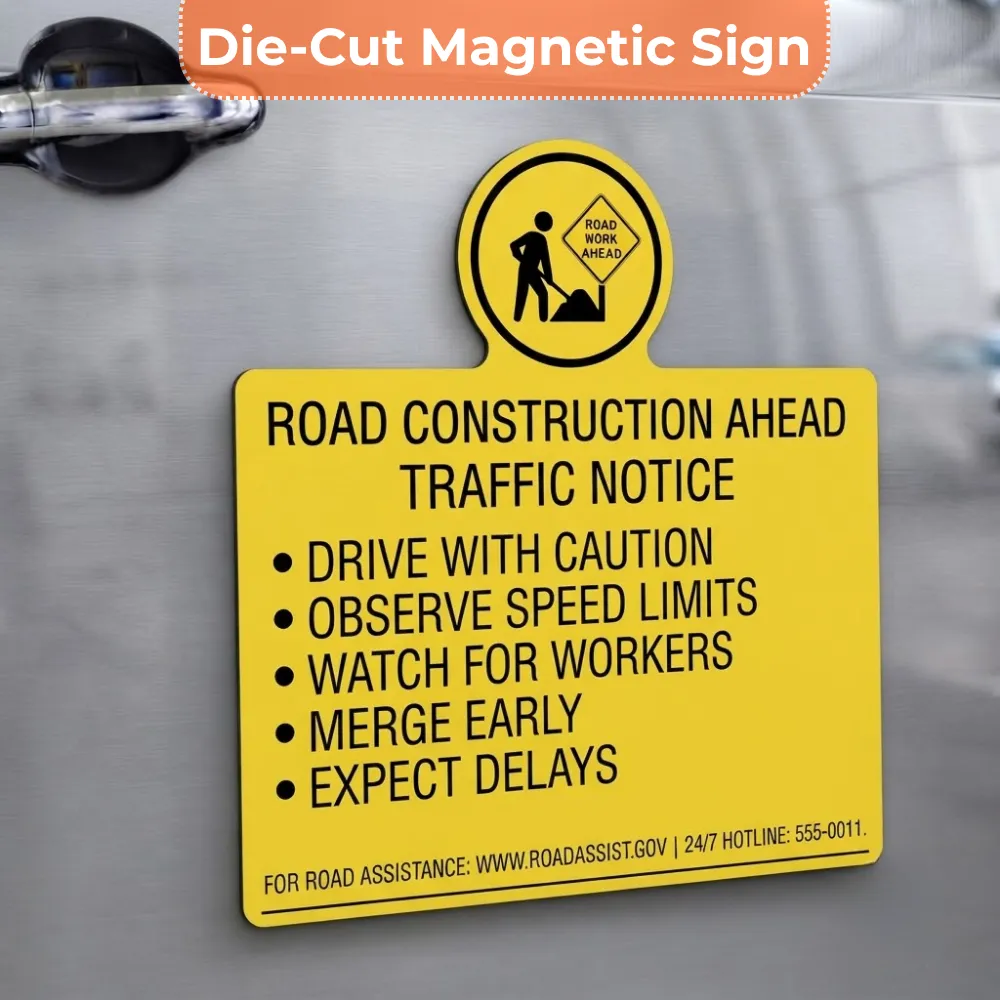
A: Common materials include Corrugated/Coroplast plastic, PVC Foam Board, Aluminum, Acrylic and Magnetic suitable for outdoor exposure and temporary traffic-control applications.
Q: What makes a road construction sign effective?
A: An effective sign is visible, clear, legible, durable, correctly positioned, and appropriate for the specific work-zone condition.
Q: What information do road construction signs provide?
A: They can communicate roadwork ahead, lane closures, detours, speed restrictions, road closures, traffic directions, merging traffic, pedestrian changes, and other temporary conditions.
Q: Are road construction signs legally required?
A: Specific requirements vary by country, state, road authority, road type, construction activity, and applicable traffic-control regulations.
Q: How do road construction signs improve work-zone safety?
A: They provide timely information that helps road users adjust speed, direction, lane position, or route before reaching a construction hazard or traffic change.
Q: Can road construction signs be used at night?
A: Yes. Signs designed for nighttime use may incorporate retroreflective materials or appropriate illumination to maintain visibility in low-light conditions.
Q: How often should road construction signs be inspected?
A: Signs should be checked regularly and whenever work-zone conditions or traffic patterns change to ensure they remain visible, accurate, secure, and unobstructed.
Q: When should a road construction sign be replaced?
A: A sign should be replaced when it becomes damaged, faded, illegible, unstable, obstructed, or no longer accurately represents the current road condition.
Q: Can road construction signs replace barriers and cones?
A: No. Signs provide information but do not physically separate people from hazards. They should be used with barriers, cones, barricades, pavement markings, and other traffic-control measures when required.
Q: What is a temporary traffic-control sign?
A: A temporary traffic-control sign communicates temporary changes to normal road conditions, such as lane closures, detours, speed restrictions, merging, or changes in traffic direction.
Q: Who needs road construction signs?
A: Road construction signs provide information to drivers, pedestrians, cyclists, road workers, traffic controllers, and other people approaching or moving through a work zone.
Q: How do you choose the right road construction sign?
A: Select the sign based on the work-zone hazard or change, traffic conditions, viewing distance, road layout, lighting, environmental exposure, intended audience, and applicable traffic-control standards.






























 No products in the cart.