HALLOWEEN SUPER SALE 30% OFF USE CODE: SPOOKY
| ShippingMethod | Fixed Price(Unlimited QTY) |
|---|---|
| Priority* | $30 |
| Express* | $20 |
Size (W X H)
Size (W X H)

Kindly share the artwork via email at design@printwithebannersigns.com
Highway construction signs are temporary or permanent safety and traffic-control signs used to warn, regulate, guide, and inform drivers, pedestrians, road workers, and other road users around highway construction and maintenance areas.
They communicate important information about road work, lane closures, reduced speeds, detours, traffic diversions, construction hazards, workers, equipment, changing road conditions, and temporary traffic routes.
Highway construction signs are particularly important because road users may be traveling at relatively high speeds and often have limited time to recognize and respond to changes in traffic conditions.
Highway construction signs should communicate information quickly and without unnecessary wording.
Common messages include:
The exact wording should follow the applicable traffic-control system and road authority requirements.
Highway traffic often moves faster than traffic in urban or low-speed areas. Construction signs therefore need to be visible from an appropriate distance so drivers have sufficient time to recognize the message and respond safely.
Visibility depends on:
Highway construction signs should use recognized colors, symbols, shapes, and layouts appropriate to their function.
Standardization helps drivers quickly distinguish between:
Exact colors and sign designs should follow the applicable national, state, provincial, or road-authority standards.
Highway construction frequently operates during nighttime, early morning, or low-light conditions. Retroreflective sign materials can help drivers see traffic-control information when illuminated by vehicle headlights.
Reflectivity requirements depend on the sign type, road classification, traffic conditions, and applicable specifications.
Highway construction signs should be appropriately sized for traffic speed, road classification, viewing distance, number of lanes, and surrounding environment.
Signs that are too small may be difficult for drivers to read in time, particularly on high-speed roads.
Where text is required, highway construction signs should use large, legible lettering with suitable contrast and spacing.
Messages should be concise so drivers can understand them without unnecessary visual distraction.
Advance warning is one of the most important features of highway construction signage.
Signs should give drivers adequate notice of upcoming:
The required warning distance depends on factors such as traffic speed, road geometry, visibility, work-zone layout, and applicable traffic-control standards.
Highway construction often requires closing one or more lanes. Signs can communicate:
Lane-closure signs should be coordinated with cones, barriers, pavement markings, arrow boards, variable message signs, and other traffic-control devices where applicable.
When normal highway routes are changed, construction signs can direct drivers through detours and temporary routes.
Effective detour signs should provide a logical sequence of information so drivers can follow the alternative route without confusion.
Construction zones may require temporary speed restrictions because of workers, narrowed lanes, lane shifts, uneven pavement, equipment, reduced sight distance, or other work-zone conditions.
Speed-control signs should be installed and managed according to the applicable traffic-control requirements.
Highway construction signs can warn drivers about workers, construction vehicles, heavy equipment, trucks, cranes, pavement work, and other activities.
Examples include:
Construction can temporarily change normal lane alignment. Signs can alert drivers to:
These signs should be coordinated with the actual roadway configuration and other traffic-control devices.
Where highway construction affects pedestrian or cyclist routes, signs should communicate safe alternative routes, crossings, closures, and diversions.
Examples include:
Alternative routes should be appropriately managed and accessible where required.
Highway signs are exposed to:
Durable materials and protective finishes help preserve sign structure, color, reflectivity, and legibility.
Highway construction signs should be securely mounted or supported so they remain:
Temporary signs should also be inspected after weather events, work-zone changes, or vehicle impacts.
Signs should be positioned according to the traffic-control plan and applicable standards, taking into account traffic speed, sight distance, road geometry, lane configuration, work-zone layout, and driver decision points.
Signs should not be obscured by:
Highway construction signs are signs installed around highway construction, repair, maintenance, resurfacing, utility, and infrastructure projects to communicate temporary or changing traffic conditions.
They can warn road users about hazards or provide instructions related to:
Highway construction signs form part of a broader temporary traffic-control system and are often used with cones, barriers, pavement markings, arrow boards, lighting, traffic signals, and traffic controllers.
Highway construction can significantly change normal driving conditions. Lanes may be narrowed or closed, traffic may be shifted, and workers or equipment may operate close to moving vehicles.
Highway construction signs help road users:
The goal is to provide consistent, understandable information at the point where road users need to make a safe decision.
Highway construction signs are temporary traffic-control and safety signs used to warn, regulate, guide, and inform drivers, pedestrians, road workers, and other road users about highway construction and maintenance activities.
They communicate important information about road work, lane closures, traffic shifts, reduced speeds, detours, road hazards, construction workers, heavy equipment, changing road conditions, and temporary traffic routes.
Because highway traffic can travel at relatively high speeds, effective construction signage must provide clear, visible, and timely information so road users have enough time to recognize changes and respond appropriately.
Q: What are highway construction signs?
A: Highway construction signs are temporary traffic-control and safety signs used to warn, regulate, guide, and inform road users about highway construction, maintenance, and changing traffic conditions.
Q: Why are highway construction signs important?
A: They provide advance information about road work, hazards, lane closures, traffic shifts, speed restrictions, detours, and changing road conditions, helping road users respond appropriately.
Q: What are the main types of highway construction signs?
A: Common types include road work signs, lane closure signs, traffic shift signs, detour signs, road closure signs, temporary speed signs, worker warning signs, and pedestrian or cyclist detour signs.
Q: What is a highway work-zone sign?
A: A highway work-zone sign communicates that construction, maintenance, repair, or other temporary activities are taking place on or near the roadway.
Q: What are road construction signs used for?
A: Road construction signs warn and guide road users around construction hazards, lane changes, reduced speeds, workers, equipment, road closures, detours, and temporary traffic routes.
Q: Where are highway construction signs used?
A: They are used on highways, expressways, bridges, ramps, interchanges, roadwork zones, resurfacing projects, utility projects, and other highway construction or maintenance areas.
Q: What are lane closure signs?
A: Lane closure signs inform drivers that one or more traffic lanes are temporarily unavailable and may provide instructions for merging or changing lanes.
Q: What are highway detour signs?
A: Highway detour signs direct road users along an alternative route when the normal highway route, lane, ramp, or roadway is temporarily restricted or closed.
Q: Are highway construction signs temporary?
A: Most highway construction signs are temporary because they communicate conditions that exist only during construction or maintenance. They should be removed, covered, or updated when those conditions end.
Q: Should highway construction signs be reflective?
A: Yes, retroreflective materials can improve nighttime and low-light visibility, particularly when signs are illuminated by vehicle headlights. Specific requirements depend on the sign and applicable standards.
Q: How far in advance should highway construction signs be placed?
A: The required advance distance depends on traffic speed, road geometry, sight distance, work-zone conditions, traffic volume, and applicable traffic-control standards. Signs should provide enough time for drivers to recognize and respond safely.
Q: What materials are used for highway construction signs?
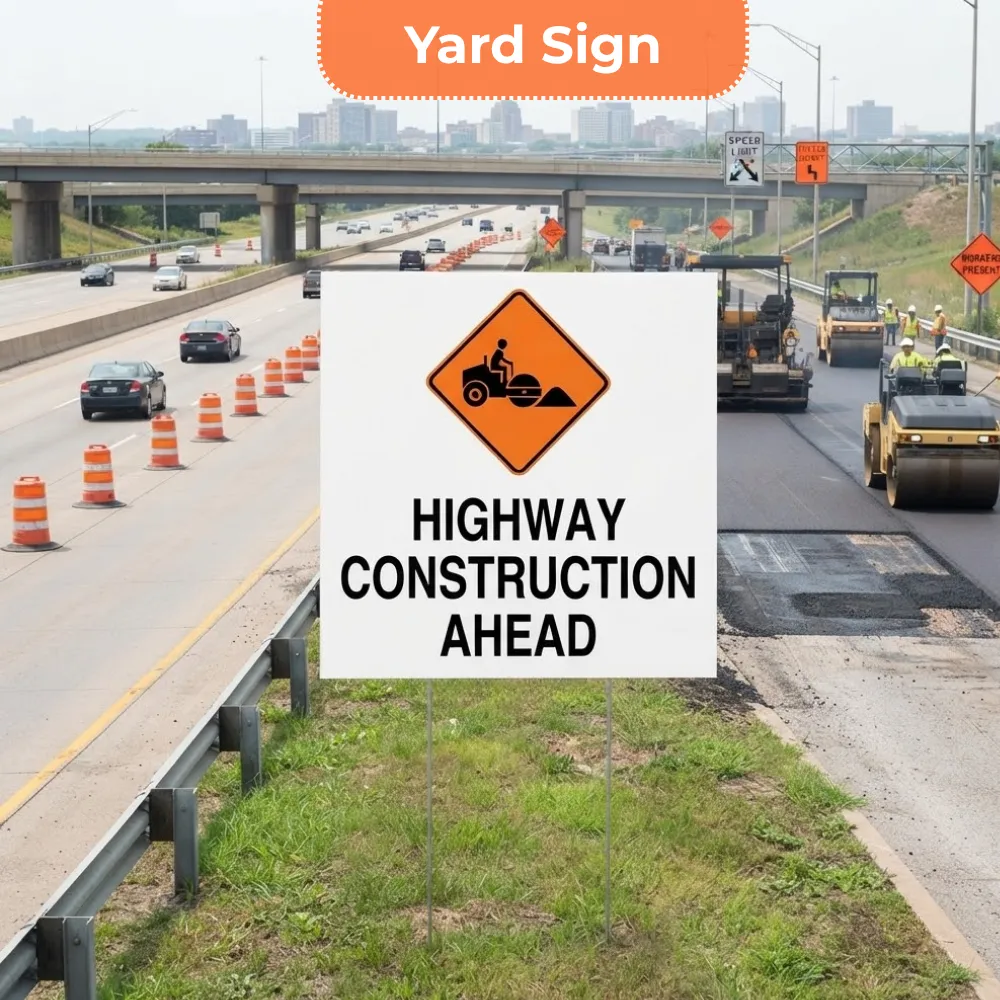
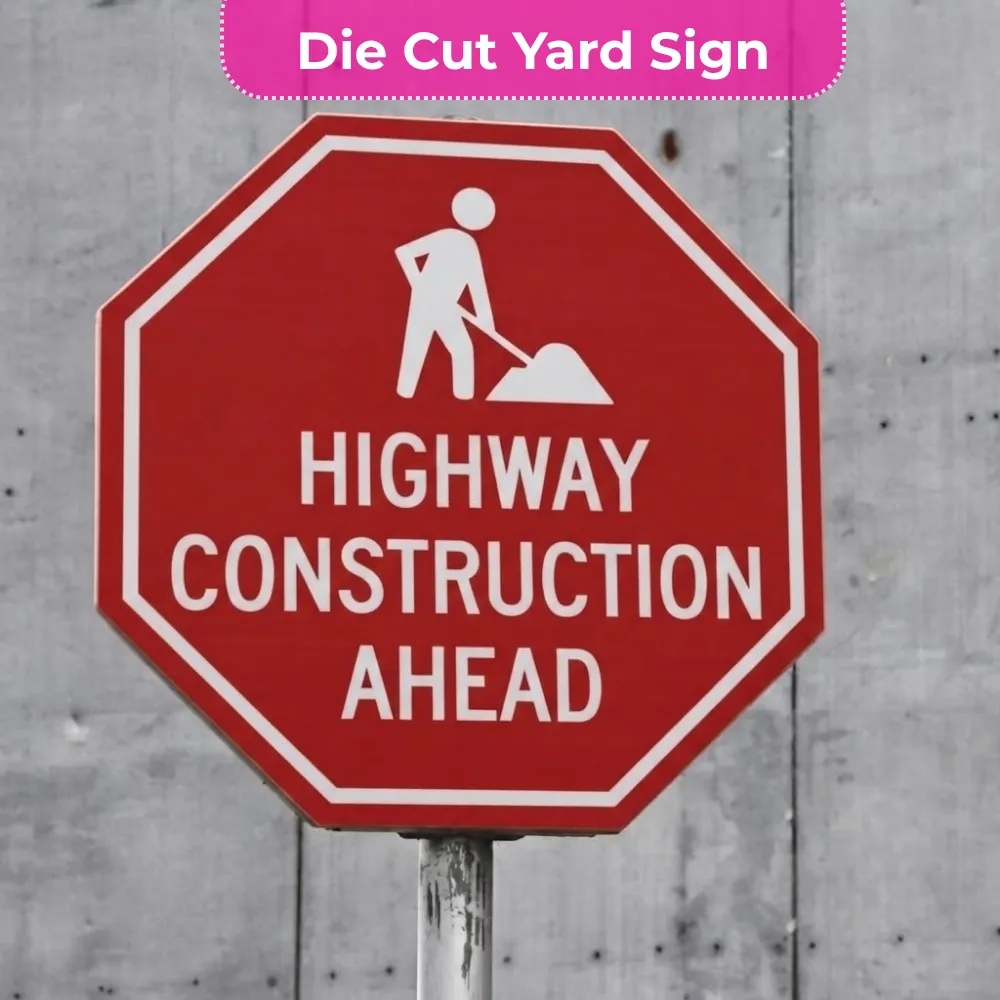
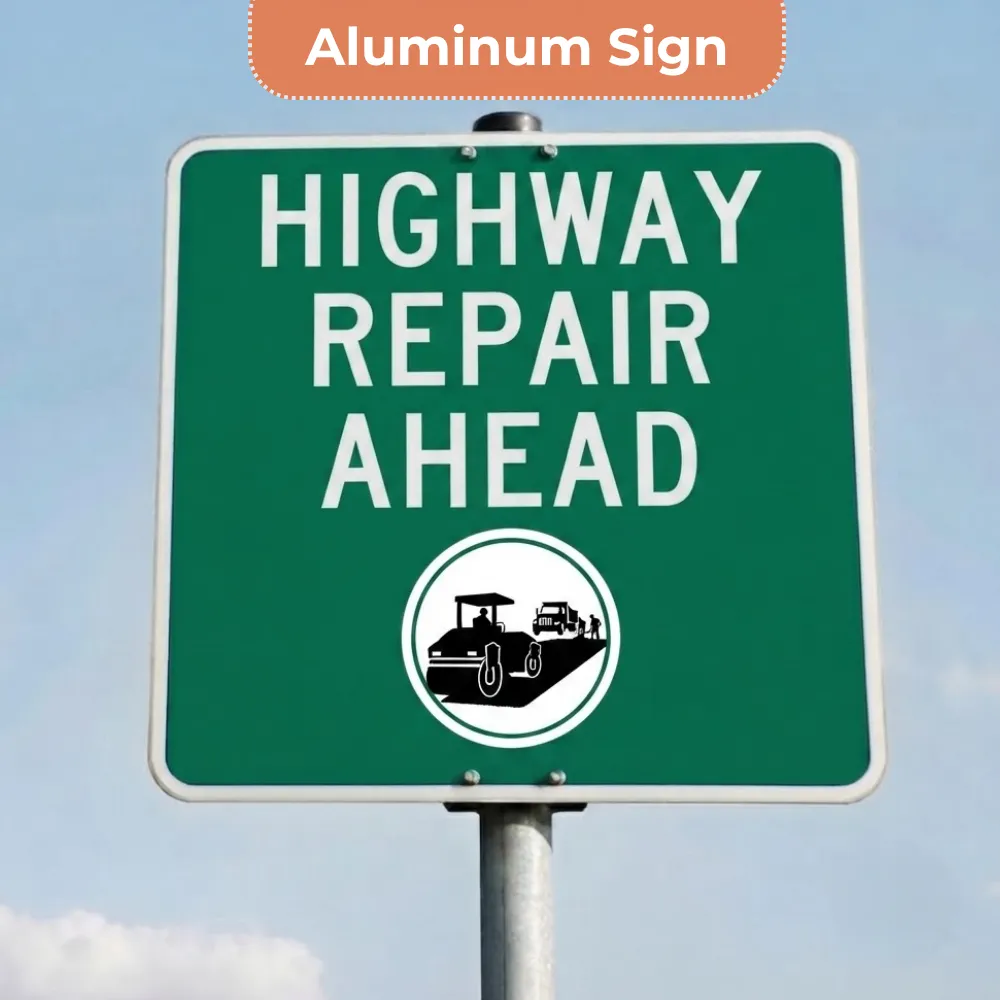
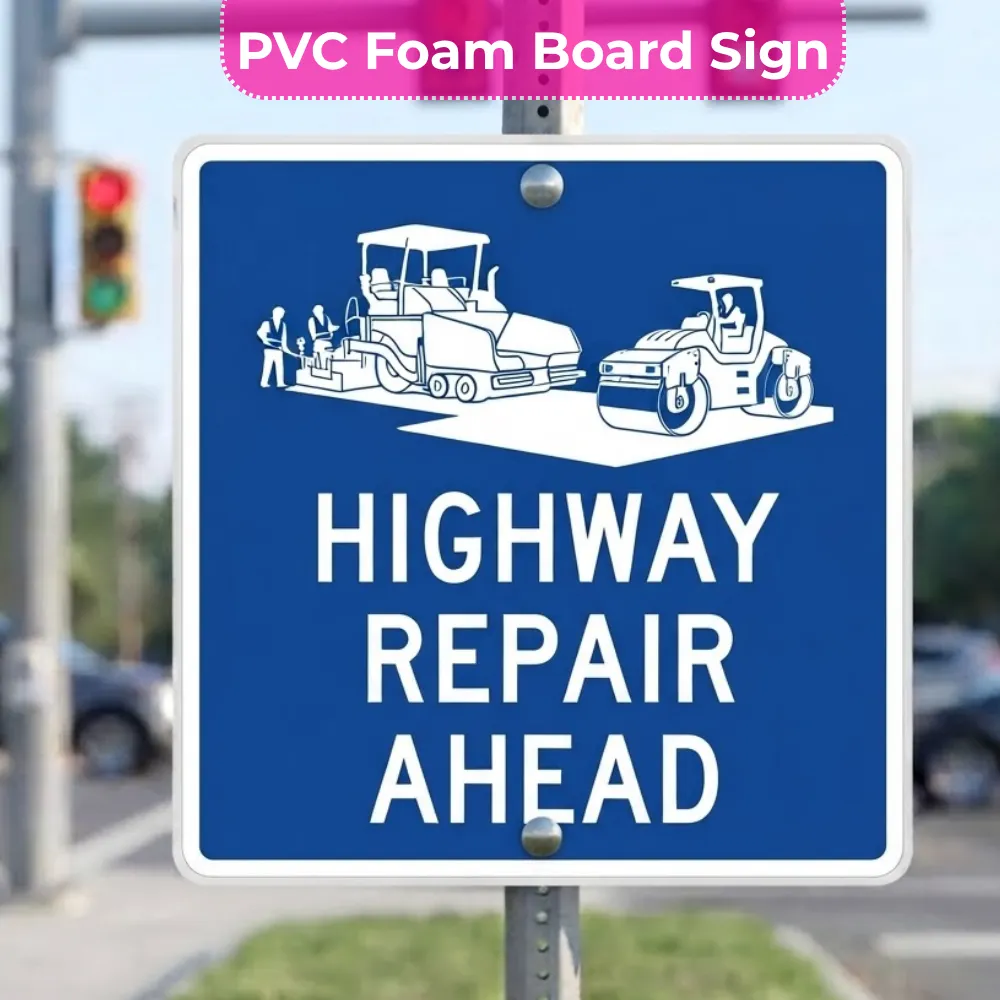
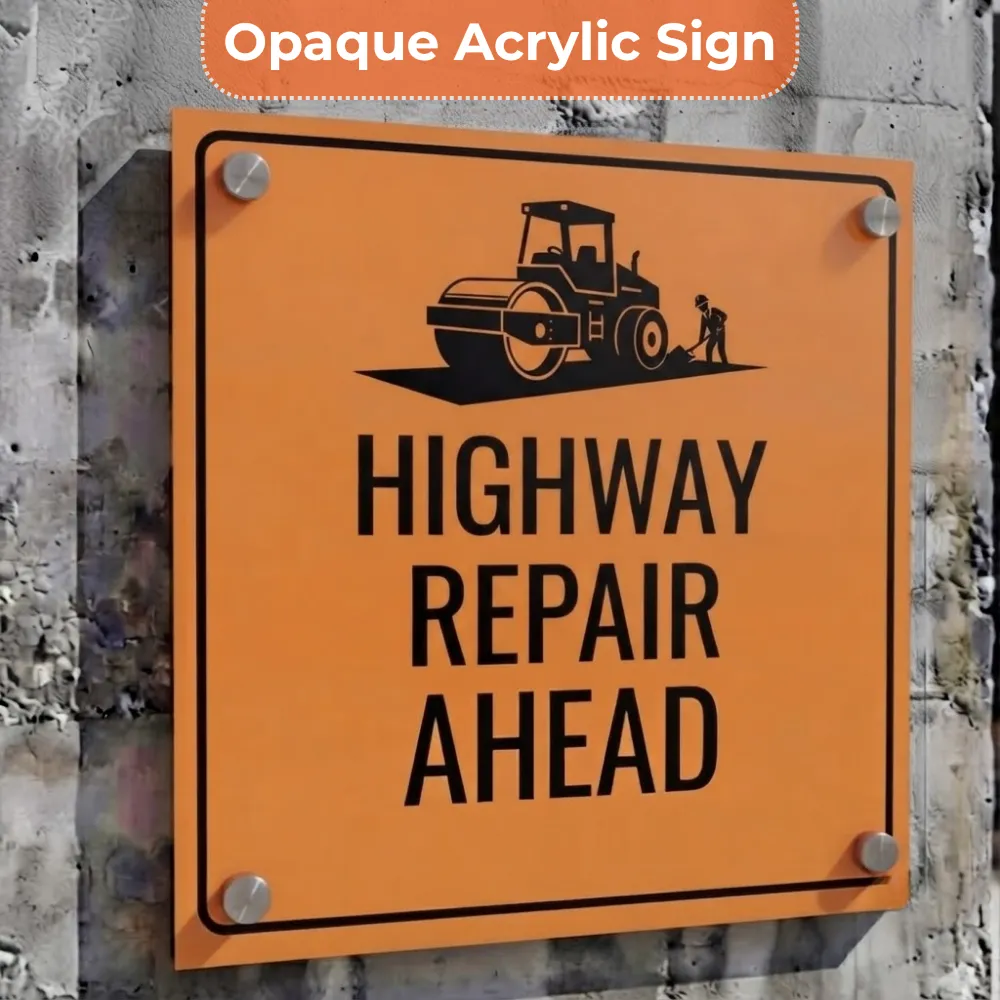
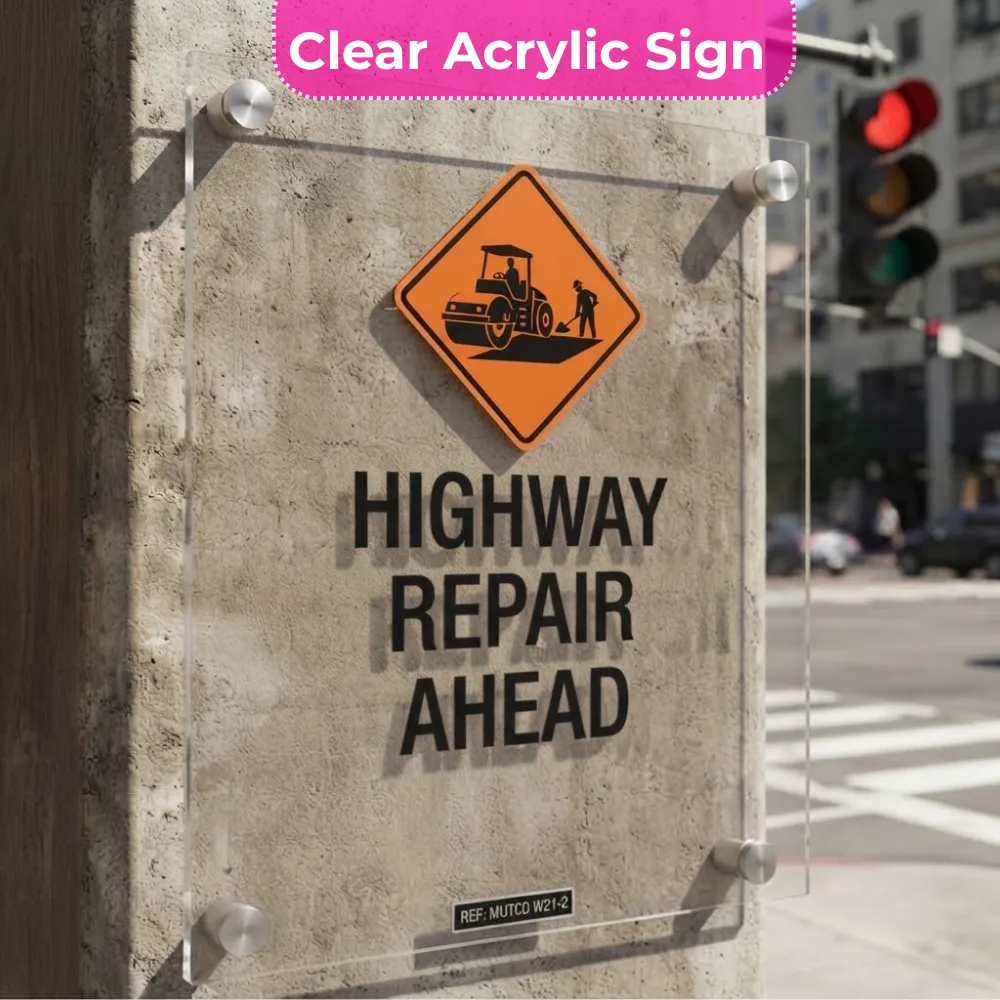
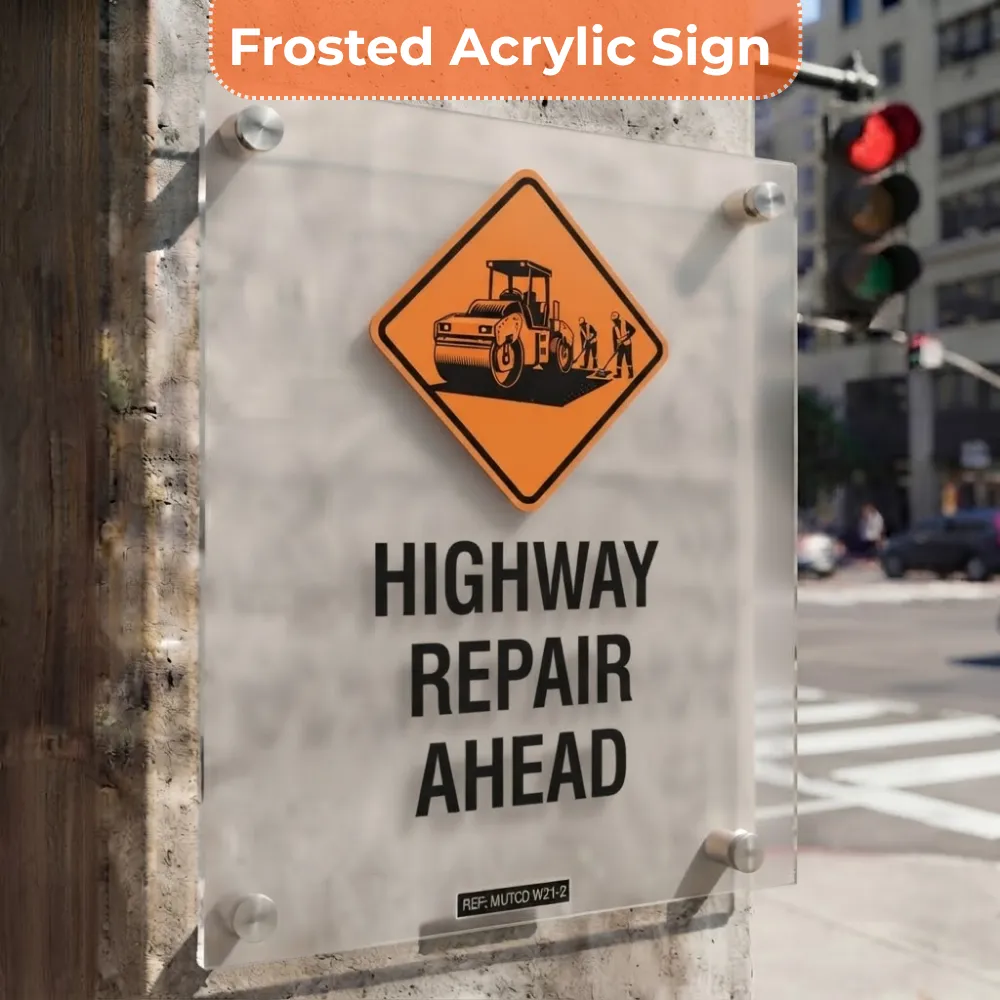
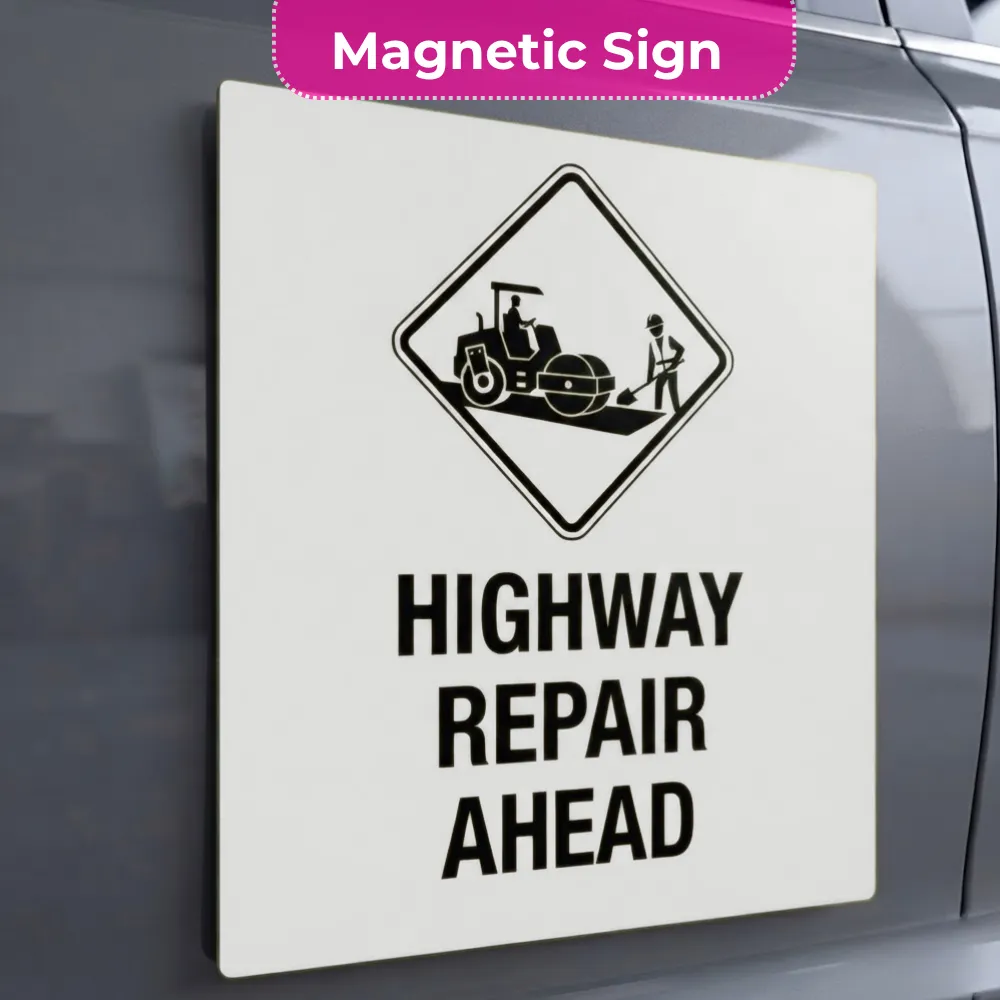
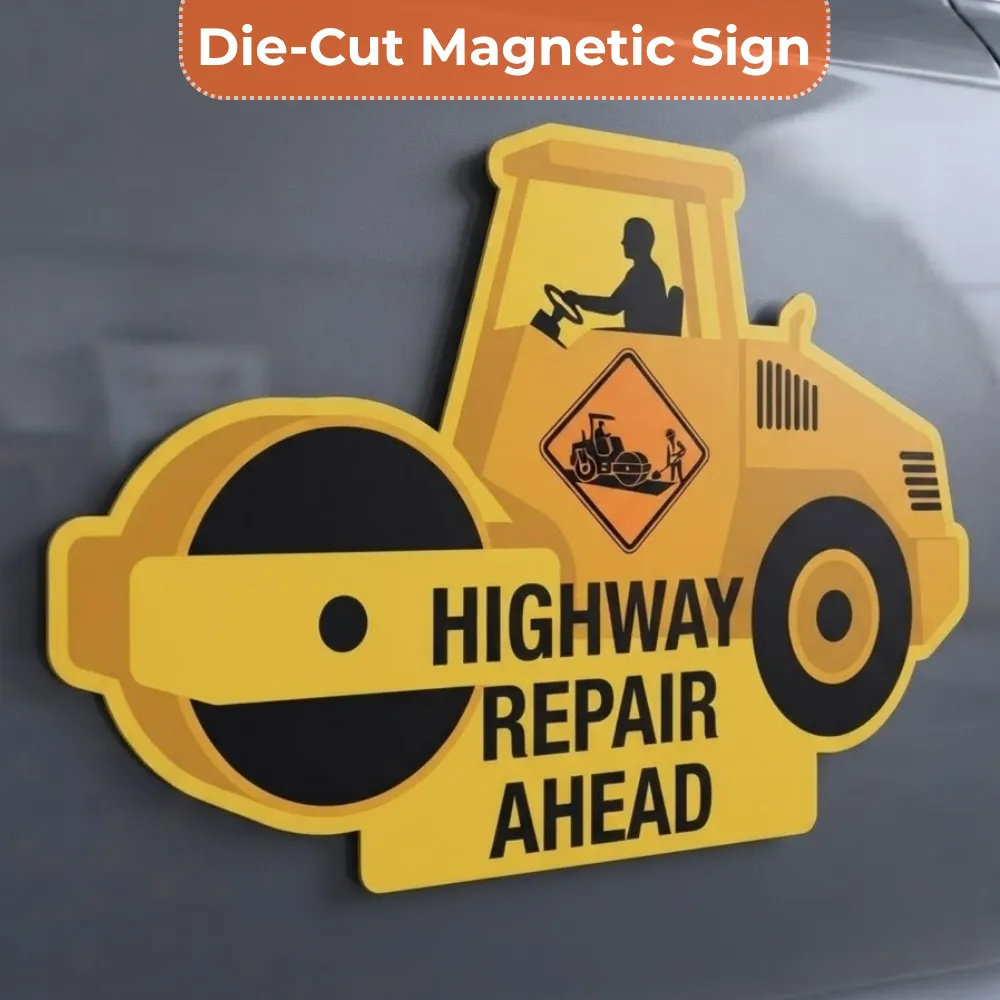
A: Common materials include Corrugated/Coroplast plastic, PVC Foam Board, Aluminum, Acrylic and Magnetic along with other approved substrates and supports suitable for temporary or permanent outdoor applications.
Q: How do highway construction signs improve safety?
A: They provide early, standardized visual information that helps drivers recognize work zones, anticipate hazards, follow temporary traffic routes, and respond to lane or road changes.
Q: What information do highway construction signs communicate?
A: They can communicate road work, workers ahead, lane closures, traffic shifts, reduced speeds, detours, road closures, construction equipment, uneven pavement, pedestrian routes, and other temporary conditions.
Q: Can highway construction signs be customized?
A: Signs for specific private or project applications may be customized, but public-road traffic signs generally need to follow standardized designs and applicable road-authority requirements.
Q: What is the difference between highway construction signs and regular road signs?
A: Highway construction signs primarily communicate temporary work-zone conditions, while regular road signs can communicate permanent regulations, warnings, directions, destinations, and other road information.
Q: Do highway construction signs replace barriers and cones?
A: No. Signs provide visual communication, while barriers, cones, channelizing devices, and other physical controls help manage vehicle movement and separate road users from hazards.
Q: How should highway construction signs be maintained?
A: Inspect signs for fading, damage, dirt, reduced reflectivity, obstruction, loose supports, incorrect positioning, and outdated information. Repair, replace, reposition, cover, or remove signs when necessary.
Q: What factors should be considered when choosing highway construction signs?
A: Consider the work-zone hazard, traffic speed, road classification, traffic volume, viewing distance, number of lanes, work-zone layout, nighttime visibility, sign type, and applicable traffic-control standards.
Q: Are highway construction signs legally required?
A: Requirements vary by country, state or province, road authority, highway classification, work-zone conditions, and sign type. Highway construction projects should follow the applicable traffic-control regulations, standards, and approved work-zone plans.

Sign in or create an account to add this product to your cart.

No products in the cart.